
Classic Albums - Machine Head - Guitar Course
Complete Album Lessons with Danny Gill
Guitar Lessons In The Course
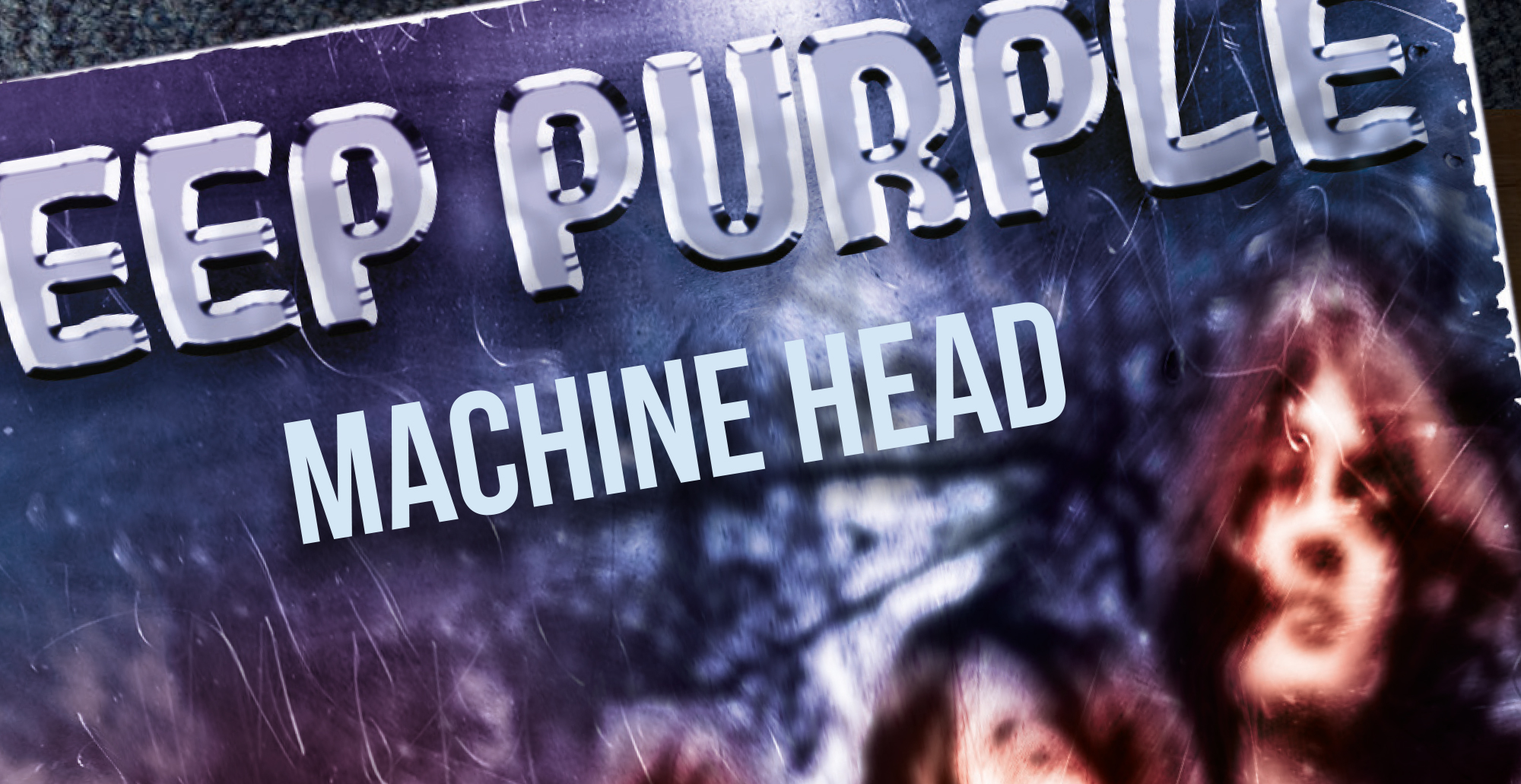
Classic Albums - Machine Head

Song Lessons in this Course
Song-by-Song Guitar Lessons Taught by Danny Gill
• Highway Star
• Maybe I'm a Leo
• Pictures of Home
• Never Before
• Smoke on the Water
• Lazy
• Space Truckin'
This Course is Ideal for Players Who...
• Are looking for in-depth guitar lessons that cover an entire classic album, not just a few songs.
• Want to master the influential, hard-rocking style of Richie Blackmore from his prime Deep Purple era.
• Are interested in 70s rock guitar lessons and the foundational techniques of heavy metal.
• Need to improve their alternate picking speed, vibrato control, and string bending accuracy.
• Have a solid grasp of basic chords and scales and are ready to tackle intermediate to advanced rock lead and rhythm playing.
• Specifically want to learn the definitive Deep Purple guitar lessons for Machine Head.
What will I achieve from completing this course?
By completing this comprehensive course, you will not only learn to play the entire Machine Head album but also gain a deep understanding of the techniques that define Richie Blackmore's style and the sound of 70s rock guitar lessons.
• Master the Riff: You will learn the most famous guitar lessons riff in history, "Smoke on the Water," along with the high-speed, classically-inspired riffs of "Highway Star" and the heavy blues groove of "Lazy."
• Neo-Classical Phrasing: Develop your lead playing by studying Blackmore's unique blend of blues, rock, and classical scales, particularly the use of the harmonic minor and pentatonic scales in tracks like "Highway Star."
• Technique Development: Sharpen your skills in key areas essential for hard rock, including alternate picking for speed, vibrato for expressive bends, and string bending for blues-rock phrasing.
• Improvisation Foundation: Understand the chord progressions and scale choices that allow you to improvise in the style of Machine Head guitar lesson era rock.
• Tone and Gear Insight: Gain knowledge on how to achieve that classic, powerful Deep Purple tone, including insights into Blackmore's use of the Fender Stratocaster and his distinct amp setup.
WE CAN HELP...
1-ON-1 COACHING
Access to thousands of lessons is great, but without a plan you can feel like you’re practicing in circles. Book your FREE 1-on-1 video call with a Licklibrary pro to fix your technique, build a practice plan, get motivated, or overcome any challenge. It's all included in your membership!
** Disclaimer **
*This product is not endorsed by or made in association with
Deep Purple
nor does
Deep Purple
perform or appear on this course.*
Machine Head by Deep Purple: A guitarist's perspective
Guitar lessons by Danny Gill
"Machine Head" is the sixth studio album by English rock band Deep Purple, released in 1972. This album is one of the cornerstones of heavy metal and hard rock, featuring innovative guitar work from legendary guitarist Ritchie Blackmore. Commercially, it is the band’s most successful album, topping the charts in several countries following its release. Machine Head reached number 1 in the United Kingdom and stayed in the top 40 for 20 weeks, and in the United States, it remained on the Billboard 200 for an incredible 118 weeks.
Join renowned Lick Library veteran Danny Gill as he dives into Richie Blackmore's riffs and licks from the Deep Purple classic Machine Head. In this course you’ll be learning classic tracks such as “Highway Star”, and “Space Truckin’”, and the inimitable “Smoke on the Water”.. In this article, we will explore the album from a guitarist's perspective, analysing each song, guitar scales, solo techniques, and the lead guitarist's contribution to the album. We will also provide a list of guitar techniques used in the album at the end.
Highway Star
"Highway Star" is a fast-paced, driving song that showcases Blackmore's prowess on the guitar. The track begins with a G minor riff, which transitions into a D minor pentatonic scale during the verses. The guitar solo features extensive use of the harmonic minor scale, particularly in A minor, and rapid alternate picking runs. Blackmore's solo is a textbook example of how to build tension and release in a rock solo, with its climactic ending using slides and bends to heighten the excitement.
Maybe I'm a Leo
"Maybe I'm a Leo" showcases a more laid-back, bluesy side of Deep Purple. The song is built around a simple G minor pentatonic riff, with Blackmore making use of double stops and bluesy bends to create a thick, textured sound. The guitar solo features a mix of pentatonic and blues scales, with expressive string bending and vibrato giving it an emotional depth.
Pictures of Home
In "Pictures of Home," Blackmore employs a clean, arpeggiated chord progression in G minor that is reminiscent of classical guitar. The solo is a tasteful blend of blues and minor pentatonic scales, with Blackmore employing a variety of techniques such as string bending, slides, and vibrato to create a dynamic and melodic solo.
Never Before
"Never Before" is a hard rock track with a strong, syncopated rhythm. The main riff is based on the E minor pentatonic scale, and the solo uses a combination of E minor pentatonic and blues scales. Blackmore demonstrates his mastery of the guitar in the solo, with extensive use of alternate picking, string bending, and slides.
Smoke on the Water
"Smoke on the Water" is undoubtedly one of the most iconic rock songs of all time, with its instantly recognisable G minor pentatonic riff. The track features a simple yet effective chord progression, and the solo showcases Blackmore's ability to create memorable melodies using the G minor pentatonic scale. The solo also includes chromaticism, adding an unexpected twist to the otherwise straightforward scale.
"Smoke on the Water" was inspired by a real event where a fire broke out during a Frank Zappa concert in Montreux, Switzerland, in 1971. The smoke from the fire spread over Lake Geneva, inspiring Deep Purple to write this iconic song, with its memorable G minor pentatonic riff and compelling narrative.
Lazy
"Lazy" begins with an atmospheric, bluesy intro in C minor, featuring slides, double stops, and string bending. The track then transitions into a high-energy blues-rock jam, with Blackmore's solo utilising the C minor pentatonic scale and a variety of techniques, including hammer-ons, pull-offs, and bluesy bends.
Space Truckin'
"Space Truckin'" is an exhilarating rock track with a pulsating rhythm and a memorable C minor riff. The energetic guitar solo extensively employs the C minor pentatonic scale, with Blackmore showcasing techniques like alternate picking, slides, and string bending, resulting in a dynamic and lively solo that perfectly complements the song's high-octane nature.
The guitar solo features extensive use of the C minor pentatonic scale, with Blackmore employing techniques such as alternate picking, slides, and string bending to create a dynamic, energetic solo.
Ritchie Blackmore's Contribution to Machine Head
Ritchie Blackmore's innovative guitar work on "Machine Head" has undoubtedly left a lasting impact on the world of rock music. His unique blend of classical, blues, and rock influences, combined with his technical prowess, helped to define the sound of Deep Purple and inspire countless guitarists. Blackmore's ability to create memorable riffs, solos, and melodies using a variety of scales and techniques is a testament to his versatility and creativity as a musician.
Blackmore's playing on "Machine Head" is marked by a keen sense of dynamics, with his use of both clean and distorted tones adding depth and contrast to the album. His solos often feature a mix of blues and minor pentatonic scales, demonstrating his strong grounding in the blues tradition while also pushing the boundaries of rock guitar. Moreover, his incorporation of chromaticism and harmonic minor scales adds an element of sophistication and unpredictability to his playing.
Throughout the album, Blackmore demonstrates his mastery of various guitar techniques, such as alternate picking, string bending, vibrato, slides, and double stops. These techniques, combined with his melodic sensibility and keen sense of timing, make his playing on "Machine Head" both technically impressive and emotionally compelling.
In conclusion, "Machine Head" by Deep Purple is an essential album for any guitarist looking to study the intricacies of rock guitar playing. Ritchie Blackmore's innovative and emotive playing on this album has left a lasting impact on the world of rock music and serves as a masterclass in guitar technique and creativity. By analysing the songs, scales, and techniques used throughout the album, guitarists can gain valuable insight into the art of rock guitar and expand their own musical horizons.
Guitar Techniques Used on "Machine Head"
The guitar techniques employed on "Machine Head" showcase Ritchie Blackmore's versatility and skill. His mastery of vibrato adds expressiveness to solos, while alternate picking enables fast, clean runs. String bending and bluesy bends contribute to the album's emotive quality, and slides create smooth transitions between notes. Double stops add thickness and texture to riffs, and chromaticism introduces unexpected elements. Hammer-ons and pull-offs provide fluidity in Blackmore's playing, while syncopated rhythms lend complexity to the album's sound. Occasional palm muting adds a percussive edge, and arpeggiated chord progressions demonstrate Blackmore's classical influence.
Related Guitar Courses
Study Burn with Danny Gill at Lick Library. Learn powerful riffs, solos and hard rock guitar techniques from this classic Deep Purple era album.

Study Deep Purple In Rock with Danny Gill at Lick Library. Learn hard rock riffs, solos and techniques inspired by Ritchie Blackmore.

Jam with Def Leppard style tracks with Jamie Humphries at Lick Library. Explore 80s rock riffs and melodic guitar ideas.

Learn to play in the style of Deep Purple with Danny Gill at Lick Library. Explore classic riffs and Ritchie Blackmore inspired techniques.
Learn Ritchie Blackmore solos with Danny Gill at Lick Library. Explore neoclassical phrasing and classic rock lead guitar techniques.

Learn Ritchie Blackmore inspired licks with Danny Gill at Lick Library. Explore classic rock phrasing, neoclassical ideas and powerful soloing.

Learn classic rock guitar solos with Jamie Humphries and Stuart Bull at Lick Library. Explore phrasing, tone and iconic lead techniques.

Learn to play in the style of Rainbow with Danny Gill at Lick Library. Explore neoclassical riffs, phrasing and classic rock techniques.
Learn Ritchie Blackmore style licks with Danny Gill at Lick Library. Explore neoclassical phrasing and classic rock techniques.
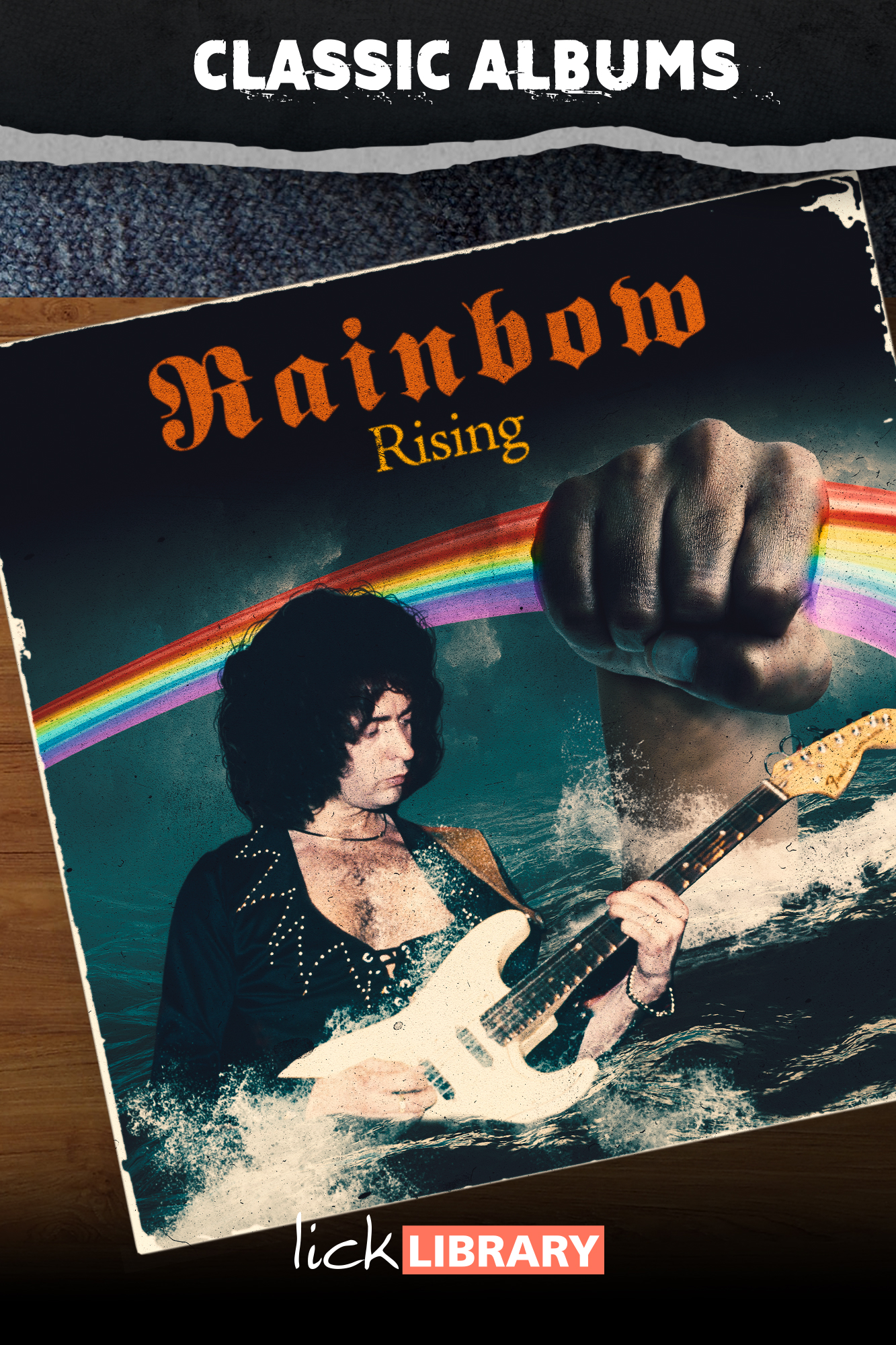
Study Rainbow’s Rising with Danny Gill at Lick Library. Learn powerful riffs, neo-classical solos and hard rock guitar techniques.

Expand your soloing with Jamie Humphries at Lick Library. Explore advanced phrasing and classic rock lead guitar techniques.

Learn rock guitar instrumentals at Lick Library. Explore expressive phrasing and lead techniques inspired by iconic instrumental players.
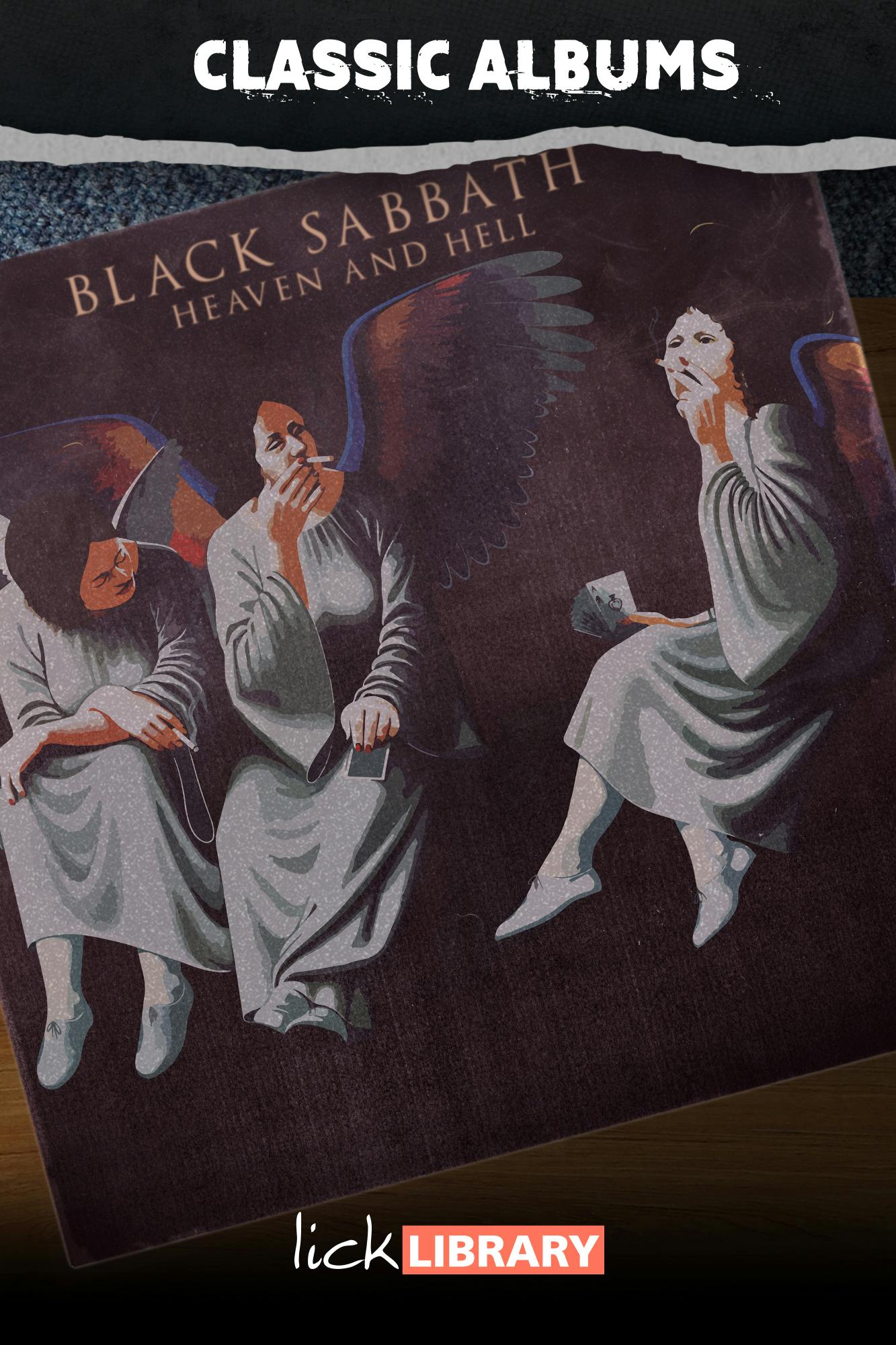
Study Black Sabbath’s Heaven And Hell with Danny Gill at Lick Library. Learn heavy riffs, solos and tones that helped shape classic metal guitar.

Learn 20 classic rock riffs with Danny Gill at Lick Library. Build your repertoire with iconic riffs and essential rock guitar techniques.

Learn how to use the harmonic minor scale with Danny Gill at Lick Library. Explore neoclassical sounds, phrasing and applications for rock and fusion guitar.

Learn killer pop guitar solos with Sam Bell at Lick Library. Study melodic phrasing, tone and techniques used in iconic pop and rock songs.

Learn killer rock and metal runs with Danny Gill at Lick Library. Build speed and accuracy with high-energy lead guitar techniques.
Learn shredding with arpeggios with Danny Gill at Lick Library. Build speed, accuracy and fluidity using powerful arpeggio-based lead ideas.

Learn to play in the style of Dio with Danny Gill at Lick Library. Explore classic metal riffs, solos and powerful guitar techniques.

Learn David Gilmour inspired licks with Jamie Humphries at Lick Library. Develop melodic phrasing, bends and expressive blues rock soloing.

Learn guitar parts from Fandango with Danny Gill at Lick Library. Study blues rock riffs, grooves and tones inspired by ZZ Top.
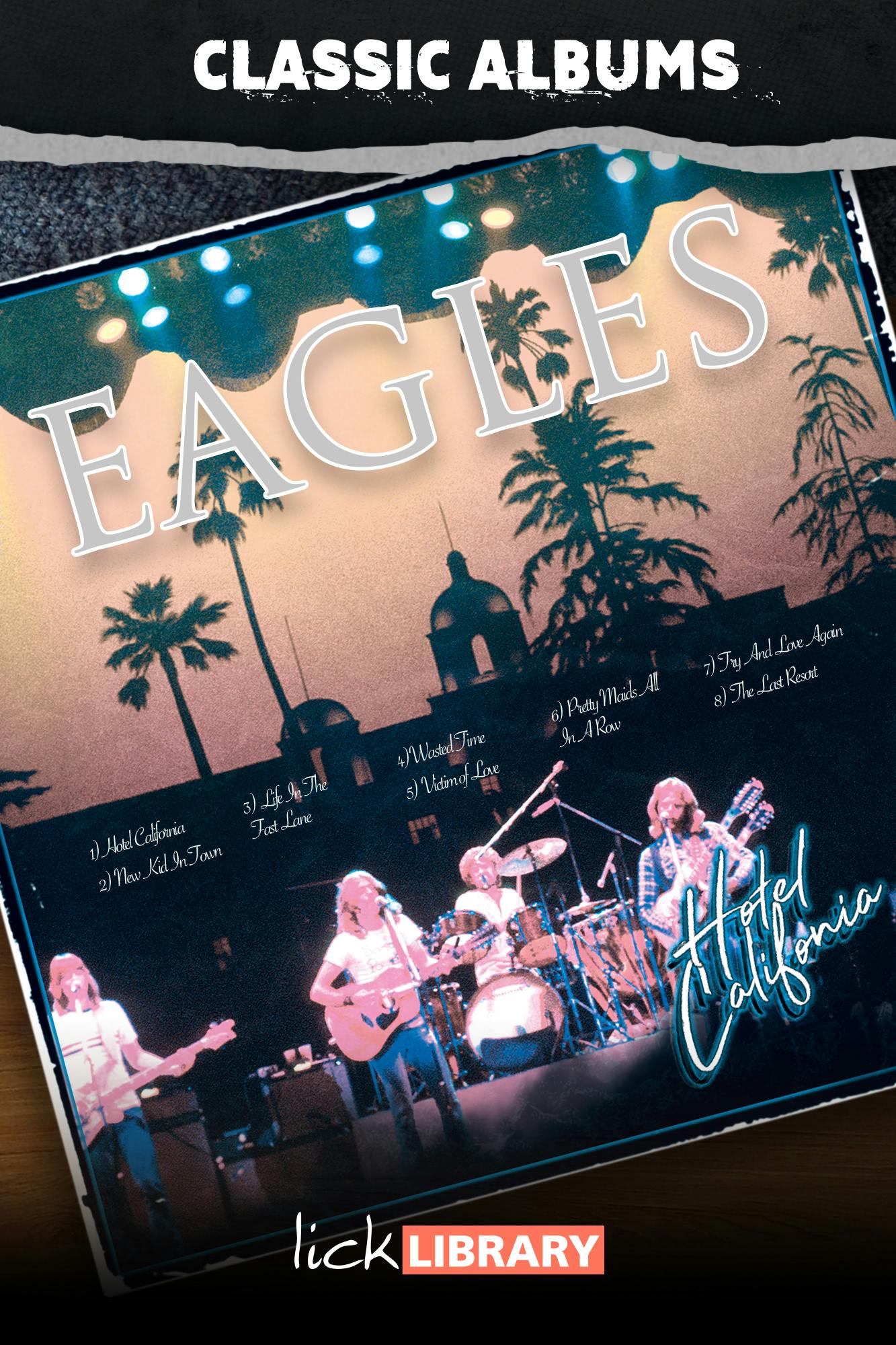
Study Hotel California with Danny Gill at Lick Library. Learn iconic riffs, harmonised solos and classic rock guitar techniques from the Eagles.

Study AC/DC’s Highway To Hell with Danny Gill at Lick Library. Learn driving riffs, tight rhythms and classic rock guitar techniques inspired by Angus Young.
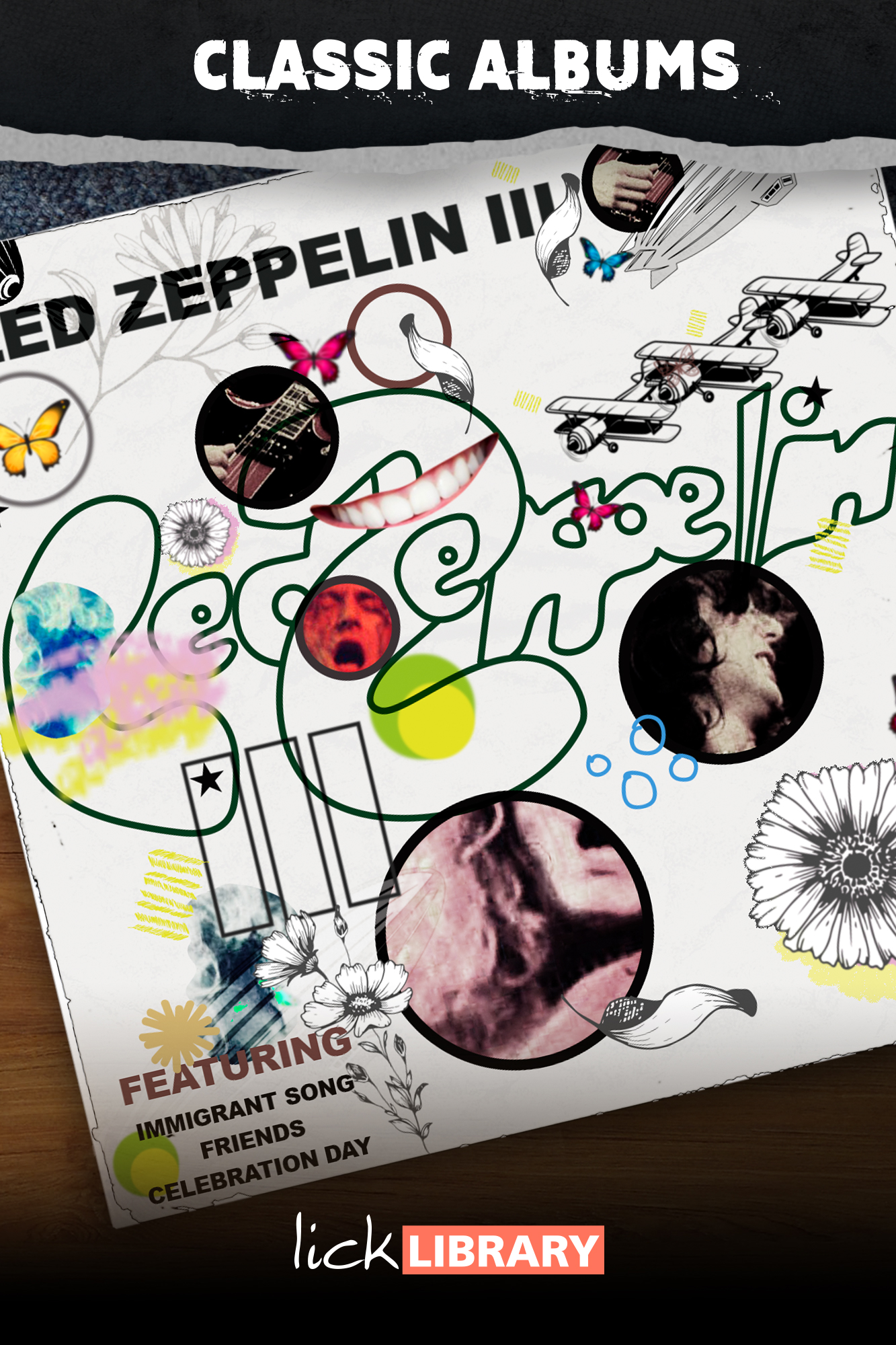
Study Led Zeppelin III with Danny Gill at Lick Library. Learn acoustic textures, riffs and classic rock guitar techniques.
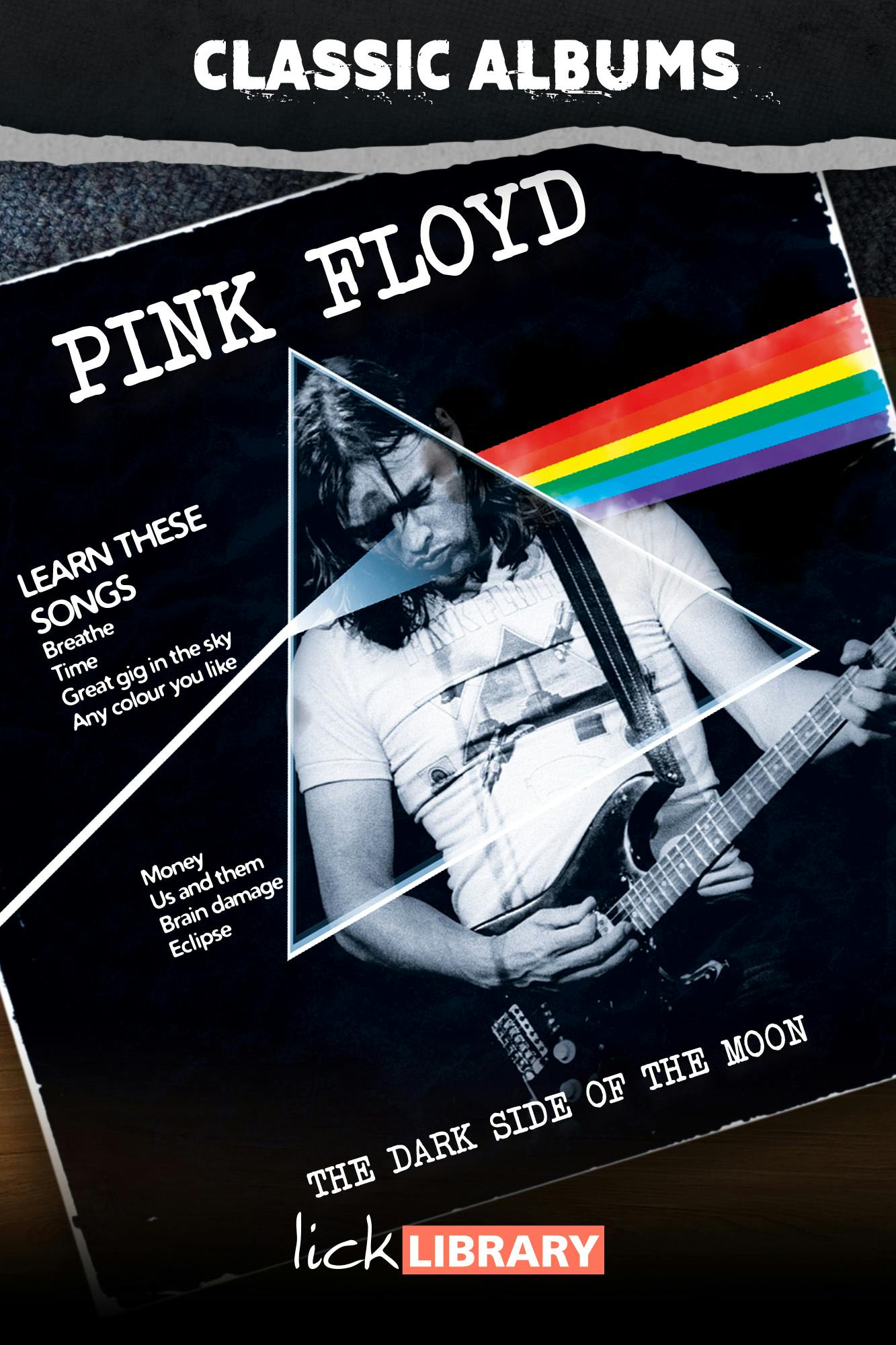
Study Pink Floyd’s Dark Side Of The Moon with Jamie Humphries at Lick Library. Learn atmospheric tones, melodic solos and iconic guitar parts.
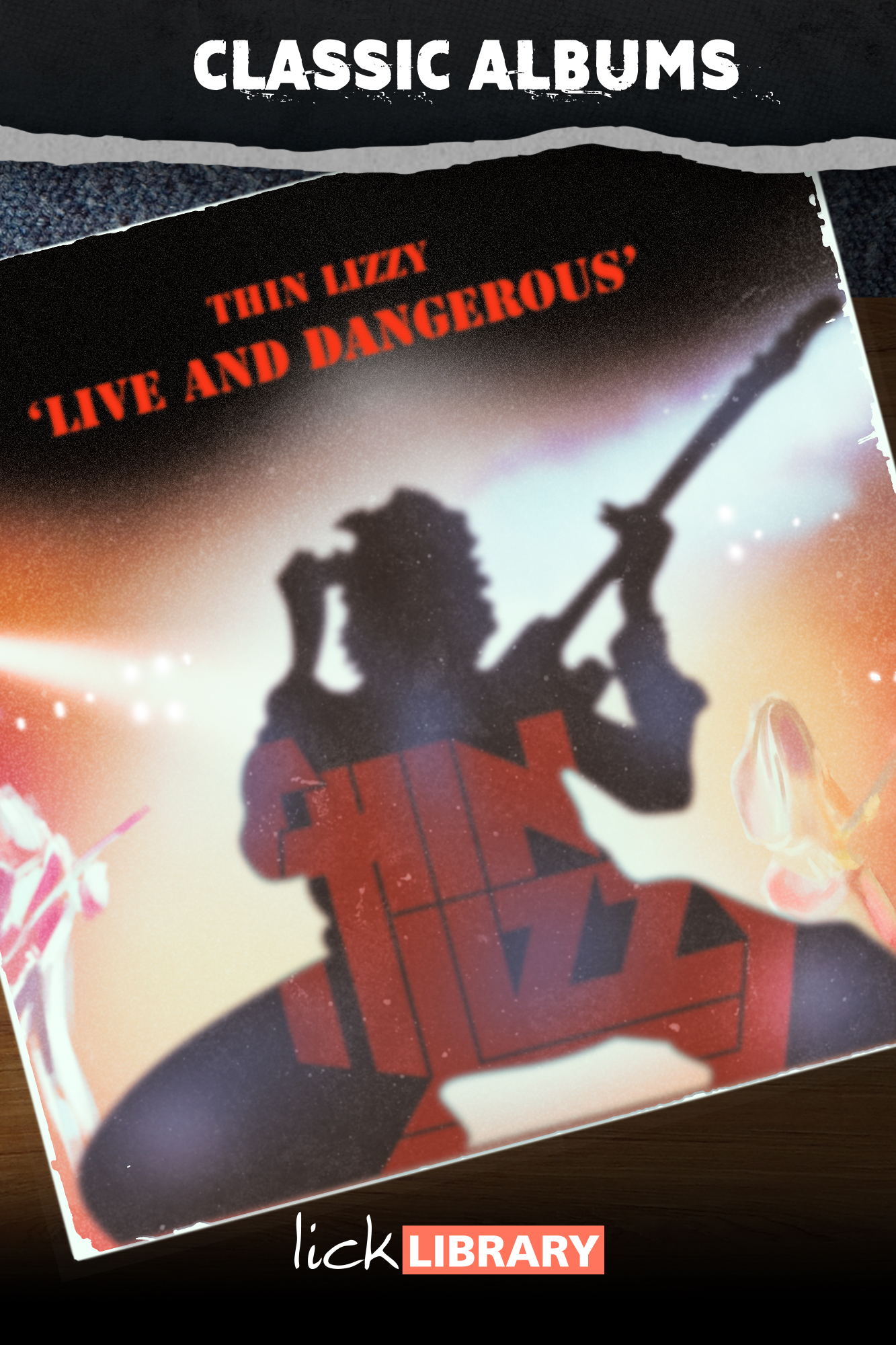
Study Thin Lizzy’s Live and Dangerous with Danny Gill at Lick Library. Learn twin leads, riffs and tones from this legendary live rock album.

Learn classic acoustic tracks with Danny Gill at Lick Library. Explore chords, strumming and fingerstyle techniques from iconic songs.

Learn simple guitar solos with Danny Gill at Lick Library. Build confidence with accessible lead ideas inspired by classic rock songs.

Learn to play in the style of AC/DC with Stuart Bull at Lick Library. Explore classic riffs, rhythm playing and rock solid guitar techniques.

Learn to play in the style of Lynyrd Skynyrd with Danny Gill at Lick Library. Explore southern rock riffs and lead guitar techniques.