Learn to play That'll Be The Day - Guitar Lesson
Guitar lesson for this song by Buddy Holly
Song Analysis: "That'll Be The Day" by Buddy Holly
Introduction
Buddy Holly's "That'll Be The Day" is an iconic rock and roll classic that has influenced countless musicians since its release in 1957. With its infectious rhythm, catchy melody, and memorable guitar riffs, it's a song that resonates with guitarists of all levels. In this analysis, we'll delve into the chords, scales, solo, and lead guitar playing that make this song a timeless gem; and Sam Bell walks you through every nuance in the accompanying video.
Chords and Progression
"That'll Be The Day" revolves around a classic 12-bar blues chord progression in the key of A. The main chords used in the song are:
- A major
- D major
- E major
The progression follows the standard I-IV-V pattern, giving the song its classic rock and roll feel. Buddy Holly's clever use of these chords creates a solid foundation for the song's groove.
Scales
The lead guitar work in "That'll Be The Day" primarily utilises the A major pentatonic scale. This scale, consisting of the notes A, B, C#, E, and F#, is a staple of rock and roll and blues music. By sticking to this scale, Holly achieves a melodic yet bluesy sound that perfectly complements the song's vibe.
Guitar Solo Analysis
The guitar solo in "That'll Be The Day" showcases Holly's inventive playing style and melodic sensibility. Let's break down some key elements of the solo:
- Melodic Phrasing: Holly's solo is characterised by catchy melodic phrases that stick in the listener's mind. He weaves in and out of the pentatonic scale, incorporating bends, slides, and vibrato to add expression to his playing.
- Double Stops and Bends: Throughout the solo, Holly employs double stops and bends to create a rich, harmonically dense sound. These techniques add depth and texture to his playing, giving the solo a dynamic and engaging feel.
- Syncopated Rhythms: Holly's use of syncopated rhythms adds a sense of urgency and excitement to the solo. By accenting off-beat notes and phrases, he keeps the listener on their toes and drives the energy of the song forward.
Buddy Holly's Playing Style
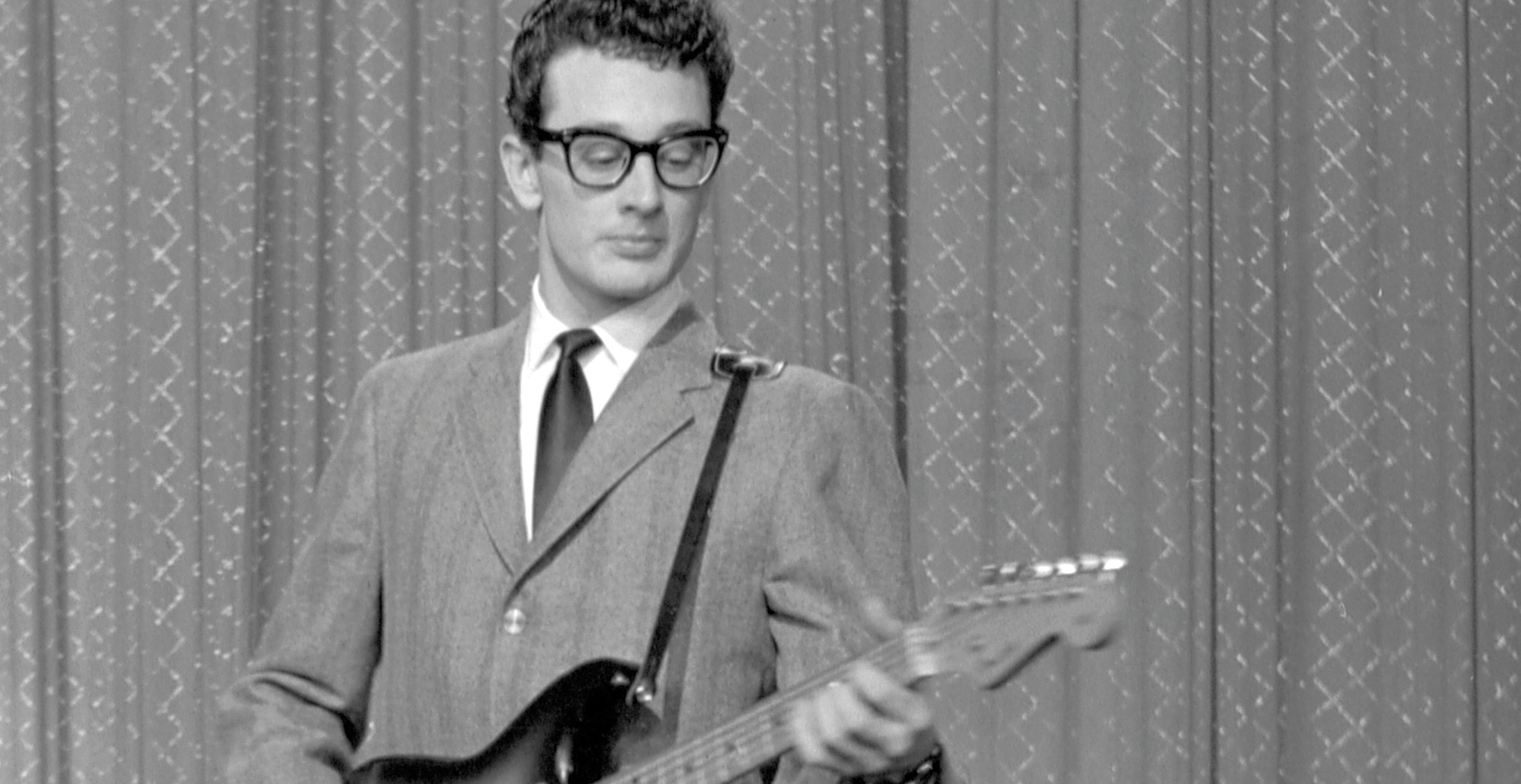
Buddy Holly, the lead guitarist and vocalist of the Crickets, was known for his innovative approach to guitar playing. Influenced by blues, country, and rockabilly music, Holly developed a unique style characterised by catchy melodies, clever chord progressions, and inventive soloing techniques.
In "That'll Be The Day," Holly's guitar playing is at the forefront, driving the song's infectious groove and memorable melody. His use of simple yet effective techniques such as double stops, bends, and syncopated rhythms highlights his mastery of the instrument and his ability to craft memorable guitar parts that stand the test of time.
Techniques Used
Conclusion
Buddy Holly's "That'll Be The Day" is a timeless classic that continues to inspire guitarists around the world. With its catchy melody, infectious groove, and inventive guitar work, it's a song that showcases the timeless appeal of rock and roll music. By studying Holly's chord progressions, scales, and soloing techniques, guitarists can gain valuable insight into his innovative playing style and learn how to incorporate these techniques into their own playing.
Other Buddy Holly Guitar Lessons
Related Guitar Lessons