


Learn to play Don't Back Down - Guitar Lesson
Guitar lesson for this song by Mammoth WVH
Don’t Back Down – Mammoth WVH
Mammoth WVH’s “Don’t Back Down” is a powerhouse modern rock track built on tightly executed riffs, heavy rhythmic drive, and an energetic performance that captures the intensity of Wolfgang Van Halen’s writing style. This note-for-note Lick Library lesson breaks down every detail, helping players understand the mechanics behind the song’s punchy groove, dynamic feel, and memorable hooks. Focused entirely on rhythm and riff-based techniques, this breakdown is perfect for guitarists looking to tighten their timing, control their tone, and perform with greater precision within a rock context. Richard Shaw breaks down this classic track in this exclusive Lick Library video tutorial.
About the Guitarist – Wolfgang Van Halen
Wolfgang Van Halen performs all guitars, bass, drums, and vocals on “Don’t Back Down,” showcasing both his musical versatility and his disciplined approach to arrangement. Though he is the son of Eddie Van Halen, Wolfgang’s guitar style stands firmly on its own—characterised by powerful rhythm execution, tight palm-muted riffs, and strong melodic sensibility. His playing is clean, controlled, and effective, proving that great rock guitar work doesn’t rely on unnecessary complexity but on strong musical ideas performed with conviction. Studying this track offers valuable insight into modern rock rhythm playing and the craftsmanship behind Mammoth WVH’s sound.
Main Riff – Power, Precision & Drive
The main riff of “Don’t Back Down” is built from aggressive power chords and tight, controlled palm-muting. These techniques form the rhythmic backbone of the song and contribute to its relentless forward momentum.
Power Chords – Benefit: Essential for creating high-impact rock riffs. Mastering power chords improves fret-hand clarity, helps with clean chord transitions, and strengthens foundational rock technique.
Palm Muting – Benefit: Enhances rhythmic accuracy by tightening the note attack. This technique helps players lock into the beat and create a more focused, percussive guitar tone—crucial for heavy rock rhythm playing.
The riff incorporates a strong sense of groove through syncopated rhythms. These shifts in accent give the track its punch and keep the pattern engaging.
Syncopated Rhythms – Benefit: Develops rhythmic awareness and allows players to create grooves that feel more dynamic, modern, and energetic.
Verse Sections – Open Strings, Movement & Momentum
The verses introduce open-string riffing, lending brightness and resonance to the progression. These riffs require careful left- and right-hand coordination to keep both fretted and open notes ringing cleanly.
Open-String Riffs – Benefit: Builds precision and noise control. Players become more adept at managing unwanted ringing strings while preserving clarity in faster or more energetic passages.
Slides are used throughout the verse to connect riff fragments smoothly and add a sense of movement across the fretboard.
Slides – Benefit: Helps create seamless transitions between notes and allows players to achieve a more expressive, flowing style within riff-based playing.
Chorus – Bold, Upfront Rock Grooves
The chorus leans heavily into strong power chord movement paired with assertive strumming. While the rhythms are straightforward, they demand confidence, consistency, and tight timing to match the energy of the recording.
The interplay of open strings, firmly struck chords, and well-controlled muting ensures that the chorus lands with maximum impact. These sections highlight Wolfgang’s preference for clear, uncluttered rhythm writing that emphasises tone, timing, and feel over complexity.
Bridge & Final Section – Building Intensity
Toward the end of the track, pick slides and dynamic shifts add extra aggression and intensity, helping to build momentum into the final chorus. These techniques enhance the overall energy without altering the core riff vocabulary of the song.
Pick Slides – Benefit: Adds dramatic texture and explosive transitions in rock arrangements. Perfect for heightening intensity in live and studio performances.
Guitar Techniques Used in This Lesson
Only the techniques actually used in “Don’t Back Down” appear here:
Related Guitar Lessons




















Related Guitar Courses

Learn 15 '80s Shrapnel shred licks with Sam Bell. Master alternate picking, sweep picking, legato, tapping and arpeggios.

Explore Van Halen's Fair Warning with detailed song breakdowns, guitar scales, solo analysis, techniques, and Eddie Van Halen's legendary playing style.

Improve your guitar technique with Warm-Ups For Dexterity & Accuracy by Sam Bell. Develop picking accuracy, string skipping, arpeggios and finger dexterity.
Learn rhythm guitar with Rick Parfitt at Lick Library. Develop timing, groove and classic rock strumming techniques.

Learn guitar gear essentials with Nick Jennison. Explore signal flow, amps, effects, pickups, speakers and tone-shaping techniques.
Learn Larry Carlton inspired licks with Stuart Bull at Lick Library. Explore smooth fusion phrasing and melodic blues rock ideas.
Study Appetite For Destruction with Danny Gill at Lick Library. Learn iconic riffs, solos and hard rock guitar techniques inspired by Slash.

Develop expressive guitar solos with Danny Gill. Learn chord mapping, triads, scales, phrasing and melodic improvisation in this complete guitar course.

Learn David Gilmour inspired licks with Jamie Humphries at Lick Library. Develop melodic phrasing, bends and expressive blues rock soloing.

Explore Joe Satriani’s The Extremist with song analyses, scales, solos, and techniques in a guitarist-focused deep dive from Lick Library.

Lick Library guitar lesson with Sam Bell’s 30 Minute Practice Routine, a focused daily practice system to build technique, timing and confidence fast for all players.

Learn how to play in a covers band with Sam Bell at Lick Library. Develop adaptability, quick learning and performance skills.

Train your ear to recognise chords and progressions with Levi Clay. This Lick Library guitar course boosts musicality, helping you play by ear with confidence.

Build blazing shred speed with Sam Bell’s Guided Practice Routine at Lick Library. This guitar course sharpens alternate picking, arpeggios and control through focused drills daily.

Learn structured guitar development with Rick Graham at Lick Library. Improve technique, phrasing and musical direction.

Build solid foundations with Lewis Turner at Lick Library. Learn essential techniques, chords and rhythm guitar skills.

Learn Steve Lukather guitar techniques with Sam Bell at Lick Library. Explore session style phrasing and melodic lead playing.

Master the Lydian mode with Sam Bell's Guitar Gym Volume 6. Learn scales, arpeggios, triad pairs, sequences and improvisation techniques.

Master rhythm and lead guitar skills with Levi Clay’s in-depth tutorial. Learn grooves, licks, and transitions in this Lick Library exclusive course.

Master guitar modes with Nick Jennison at Lick Library. Learn how modes work, how they sound and how to apply them musically in real playing.

Master guitar improvisation with Richard Shaw's Improvise For Real course. Learn pentatonic phrasing, dynamics, rhythm, and expressive lead guitar techniques.

Learn to play in the style of Dire Straits with Jamie Humphries at Lick Library. Explore fingerstyle phrasing and melodic guitar ideas.

Learn iconic rock songs as solo acoustic guitar arrangements with John Connearn at Lick Library, mastering essential guitar techniques note for note.

Learn rhythm guitar concepts with Sam Bell at Lick Library. Improve groove, timing and chord-based playing across styles.

Learn Slash inspired licks with Danny Gill at Lick Library. Explore phrasing, tone and iconic hard rock lead guitar techniques.

Improve picking technique with Nick Jennison at Lick Library. Learn smart picking strategies to boost accuracy, speed and control across guitar styles.

Learn pentatonic sequences with Danny Gill at Lick Library. Improve speed, phrasing and creative soloing ideas.
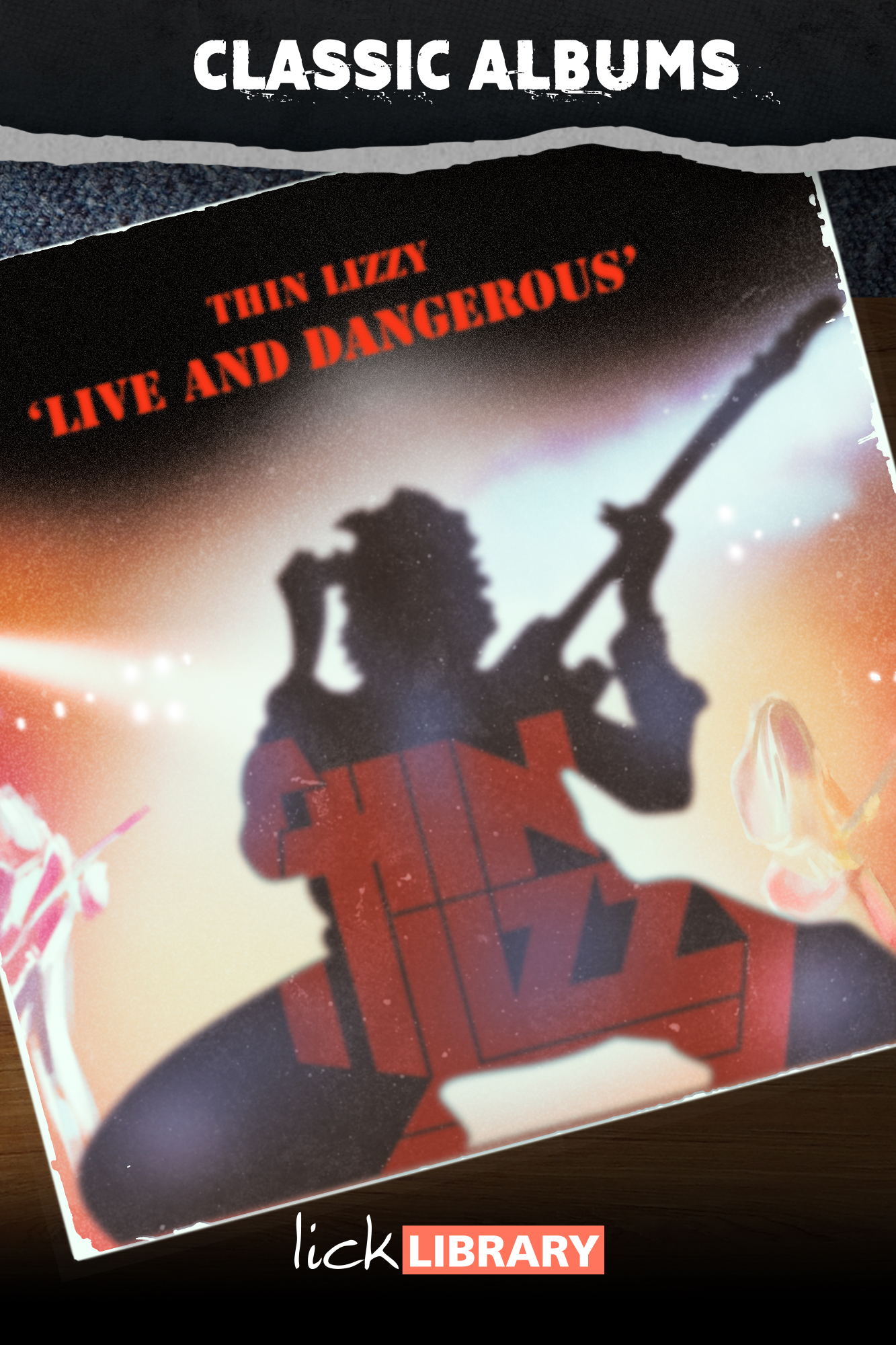
Study Thin Lizzy’s Live and Dangerous with Danny Gill at Lick Library. Learn twin leads, riffs and tones from this legendary live rock album.
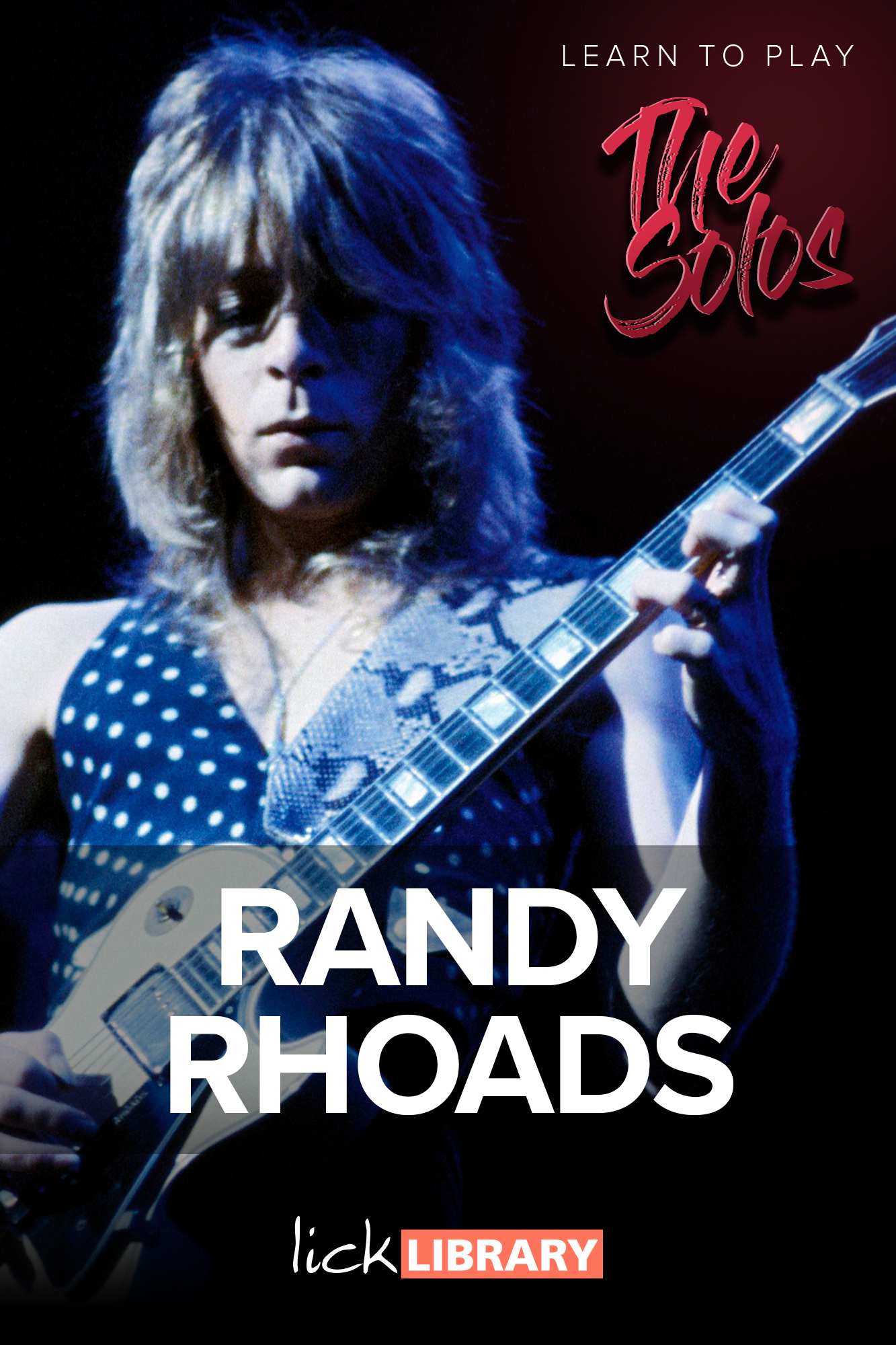
Learn Randy Rhoads solos with Danny Gill at Lick Library. Explore neoclassical phrasing and iconic metal lead guitar techniques.

Learn classic acoustic tracks with Danny Gill at Lick Library. Explore chords, strumming and fingerstyle techniques from iconic songs.