
Learn To Play Easy Acoustic Rock Volume 1 - Guitar Course
Guitar Lessons with Jamie Humphries
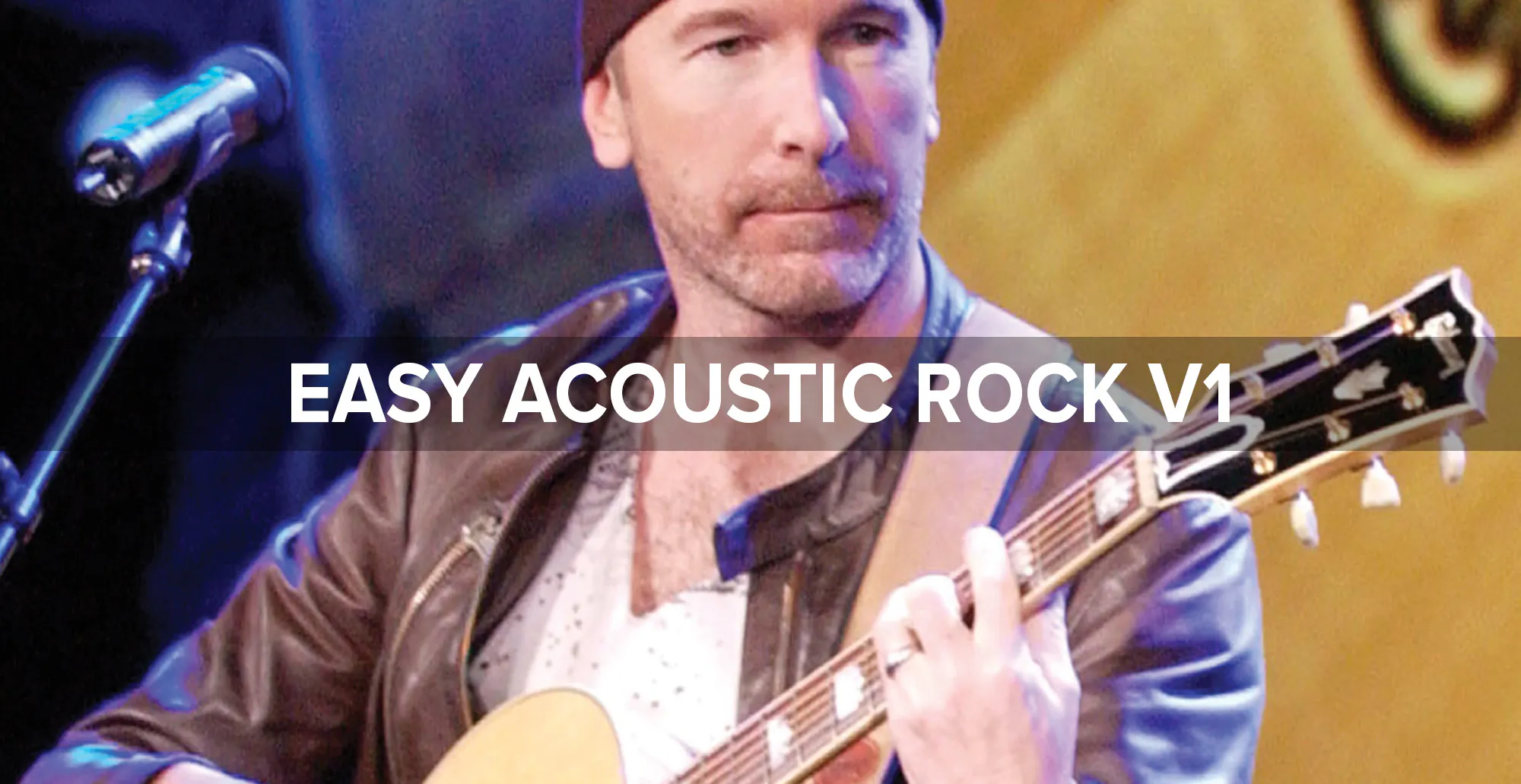
Guitar Lessons In The Course
Learn To Play Easy Acoustic Rock Volume 1

Song Lessons in this Course
This Course is Ideal for Players Who...
Our "Learn to Play Easy Acoustic Rock Volume 1" guitar course is perfect for beginner to intermediate acoustic guitarists who want to build a repertoire of popular songs.
Perfect for Guitarists Who:
- Are fans of alternative rock and Britpop acoustic music
- Want to develop their fingerpicking and strumming techniques
- Are looking to build a repertoire of well-known acoustic songs
- Learn best through comprehensive, note-for-note online guitar lessons from Licklibrary.com
This course offers more than just the notes and chords; it's about understanding the musical choices that made these songs so effective and memorable. You'll gain insight into how great acoustic guitar parts serve the song, how to use dynamics and touch to create emotion, and the techniques that separate good acoustic playing from great acoustic playing. Sign up for Licklibrary.com's "Learn to Play Easy Acoustic Rock Volume 1" course today and start building your acoustic guitar repertoire with these timeless classics.
What will I achieve from completing this course?
Learning these acoustic rock classics will transform your acoustic guitar playing and expand your musical repertoire significantly. This course serves as a masterclass in modern acoustic guitar technique, covering everything from basic strumming patterns to advanced fingerpicking. By the end of this course, you'll not only be able to perform these eight beloved tracks with accuracy and feeling, but you'll also have developed a versatile skill set that applies to countless other acoustic songs.
Technical Skills You'll Develop:
- Advanced fingerpicking patterns including Travis picking
- Mastery of arpeggiated chord progressions for creating movement
- Effective use of the capo to achieve different tonal colors
- Understanding of syncopated rhythms in acoustic contexts
- Barre chord techniques for smooth transitions
- Double-stop techniques for adding harmonic richness
- Skills that translate to acoustic rock, folk, and singer-songwriter styles
WE CAN HELP...
1-ON-1 COACHING
Access to thousands of lessons is great, but without a plan you can feel like you’re practicing in circles. Book your FREE 1-on-1 video call with a Licklibrary pro to fix your technique, build a practice plan, get motivated, or overcome any challenge. It's all included in your membership!
** Disclaimer **
*This product is not endorsed by or made in association with any of the artists featured, nor do they perform or appear on this course.*
Learn to Play Easy Acoustic Rock Volume 1
From the most iconic alternative rock tracks to the modern classics, our newly curated "Learn to Play Easy Acoustic Rock Volume 1" features eight anthems that have undoubtedly left an indelible mark on the music scene. This course is taught by Jamie Humphries and is designed to help you accurately emulate the sounds and techniques of some of the greatest guitarists in the realm of rock. The tunes included in this volume are Yellow (Coldplay), High and Dry (Radiohead), Karma Police (Radiohead), One (U2), Babylon (David Gray), Losing My Religion (R.E.M), Wild Wood (Paul Weller), and Sing (Travis).
Yellow by Coldplay
This beautiful track from Coldplay, played primarily in standard tuning, opens up with a simplistic yet enchanting guitar riff. The lead guitarist, Jonny Buckland's minimalist approach lets the melody shine through, while his clever use of syncopated rhythms brings depth to the song. The predominant scale used in Yellow is G Major, and the song incorporates power chords and barre chords, which form the backbone of its signature sound. The solo is melodic, staying true to the theme of the song while emphasizing Buckland's melodic sensibilities.
High and Dry by Radiohead
Jonny Greenwood, the lead guitarist of Radiohead, adds a distinct touch to 'High and Dry'. The song is based on the A Major scale, utilizing the common I-IV-V progression. His guitar work with arpeggiated chord progressions brings out the nuanced emotionality of the song. Greenwood's solo in this song is a testament to his thoughtful approach to melody, utilizing alternate picking to add a rich dynamic quality.
Karma Police by Radiohead
In 'Karma Police', Greenwood's innovative guitar work shines through once more. He builds the harmonic structure of the song using both standard and barre chords. This track is based on A minor scale and incorporates chromaticism for a sense of harmonic complexity. The solo showcases Greenwood's prowess with arpeggios and legato playing, creating a hauntingly beautiful melody.
One by U2
The Edge, U2's lead guitarist, is renowned for his minimalist style. In 'One', he crafts a soundscape using the D Major scale that resonates with the song's emotive lyricism. Edge's judicious use of delay, sustain, and arpeggios lends an atmospheric depth to the song. His solo is a perfect blend of slides and sustain, underscoring his innovative approach to melodic construction.
Babylon by David Gray
David Gray's 'Babylon' is centered on the D Major scale and uses a mix of standard and power chords. Gray's delicate finger-picking and clever use of syncopated rhythms bring a folk-rock feel to the song. His solo in Babylon is a straightforward melody that perfectly encapsulates the song's lyrical theme.
Losing my Religion by R.E.M
Peter Buck, R.E.M's guitarist, provides the iconic mandolin riff for 'Losing my Religion'. The song uses an open D tuning, and the modal melody is based on the D minor scale. The interplay of arpeggiated chord progressions and octave melodies is key to this song. The solo is a tasteful blend of melodic phrasing and rhythmic dynamism, exemplifying Buck's versatile playing style.
Wild Wood by Paul Weller
'Wild Wood' sees Paul Weller employ a capo on the 2nd fret, with the song based around the D minor scale. His strong strumming technique, combined with finger-picking and Travis picking, creates an exciting mix of rhythm and melody. The solo includes bluesy bends and double stops, illustrating Weller's multi-genre fluency.
Sing by Travis
'Sing', by the band Travis, features the guitar work of lead guitarist Andy Dunlop. The song is played in standard tuning and uses the G Major scale. Dunlop uses a capo on the 7th fret to create high-pitched melodic lines. His melodic solo features string bending and slides, bringing out a playful mood that complements the song's lyrics.
Guitar Techniques Used
This course covers a vast array of guitar techniques. Here are the links to each technique:
- Syncopated rhythms
- Power chords
- Barre chords
- Arpeggiated chord progressions
- Alternate picking
- Legato
- Chromaticism
- Slides
- Sustain
- Finger-picking
- Bluesy bends
- Double stops
- Travis picking
- Capo
We hope this course provides you with both the insight and the practical skills to recreate these timeless rock anthems. Happy strumming!
Related Guitar Courses

Continue learning acoustic rock songs with Jamie Humphries at Lick Library. Develop strumming, chord changes and song playing skills.

Develop acoustic rock skills with Jamie Humphries at Lick Library. Learn chords, strumming patterns and popular song techniques.

Learn rock basslines with Phil Williams at Lick Library. Explore groove, timing and classic rock styles.

Learn easy acoustic songs with Danny Gill at Lick Library. Build confidence with beginner-friendly chords, strumming patterns and popular acoustic classics.

Expand your acoustic playing with Jamie Humphries at Lick Library. Improve chord work, rhythm and expressive song performance.

Learn easy acoustic rock songs with Jamie Humphries at Lick Library. Build confidence with chords, strumming and popular acoustic tracks.

Learn indie guitar styles with Michael Casswell at Lick Library. Explore riffs, rhythm and modern alternative guitar techniques.
Learn acoustic pop styles with Jamie Humphries at Lick Library. Explore chord progressions, strumming and expressive guitar playing.

Learn classic acoustic tracks with Danny Gill at Lick Library. Explore chords, strumming and fingerstyle techniques from iconic songs.

Learn iconic rock songs as solo acoustic guitar arrangements with John Connearn at Lick Library, mastering essential guitar techniques note for note.

Learn killer pop guitar solos with Sam Bell at Lick Library. Study melodic phrasing, tone and techniques used in iconic pop and rock songs.

Learn iconic 80s movie guitar themes with Sam Bell at Lick Library. Explore memorable riffs, melodies and tones inspired by classic cinema soundtracks.

Learn iconic guitar solos from the 1990s with Rich Shaw at Lick Library. Study phrasing, tone and technique from a defining rock era.

Start acoustic guitar with Dave Kilminster at Lick Library. Learn chords, strumming and essential techniques to build confidence and play songs.
Learn creative looping with Lee Wrathe at Lick Library. Explore layering, rhythm and building full arrangements using a looper.

Discover what makes the blues with Mitch Laddie at Lick Library. Learn feel, phrasing and harmony to play authentic, expressive blues guitar.

Learn simple guitar solos with Danny Gill at Lick Library. Build confidence with accessible lead ideas inspired by classic rock songs.
Learn to play 80s metal with Danny Gill at Lick Library. Explore classic riffs, solos and high-energy guitar techniques.
Expand your soloing skills with bonus material at Lick Library. Develop phrasing, timing and confidence in rock lead guitar.

Learn iconic funk basslines with Phil Williams, developing groove, timing and stylistic awareness inspired by classic funk artists.

Learn 20 killer metal riffs with Andy James at Lick Library. Build speed, accuracy and modern metal rhythm guitar techniques.

Learn iconic 80s guitar riffs with Danny Gill at Lick Library. Explore classic rock and metal riffs inspired by legendary players and bands.

Learn 20 classic rock riffs with Danny Gill at Lick Library. Build your repertoire with iconic riffs and essential rock guitar techniques.

Learn classic rock guitar solos with Jamie Humphries and Stuart Bull at Lick Library. Explore phrasing, tone and iconic lead techniques.

Learn classic rock riffs with Danny Gill at Lick Library. Explore iconic riffs from legendary bands and build your rock guitar vocabulary.

Learn iconic guitar solos from the 2000s with Rich Shaw at Lick Library. Study phrasing, technique and tone from modern rock’s biggest moments.

Learn five classic instrumentals from guitar legends Steve Vai, Gary Moore, Joe Satriani, Duane Allman and Santana note for note. Tracks include: For T…
Dive into 80s rock guitar with Sam Bell at Lick Library. Learn big riffs, melodic solos and classic techniques behind iconic arena rock sounds.

Learn blues guitar inspired by the Three Kings with Steve Trovato at Lick Library. Explore phrasing and techniques from BB, Albert and Freddie King.

Explore the sound of New Wave of British Heavy Metal with Jamie Humphries at Lick Library. Learn classic metal techniques.