Learn to play Play Ball - Guitar Lesson
Guitar lesson for this song by AC/DC
Play Ball by AC/DC
"Play Ball" by AC/DC is a classic rock anthem that embodies the raw energy and simplicity that made the band legendary. Our guitar lesson on this track focuses on breaking down each section of the song to teach you the techniques required to master it note for note. Whether you're a beginner looking to expand your skills or an experienced player diving deeper into rock fundamentals, this lesson will give you a solid understanding of the techniques that make this song rock. Danny Gill breaks down this classic track in this exclusive Lick Library video tutorial.
The Style of Angus and Malcolm Young
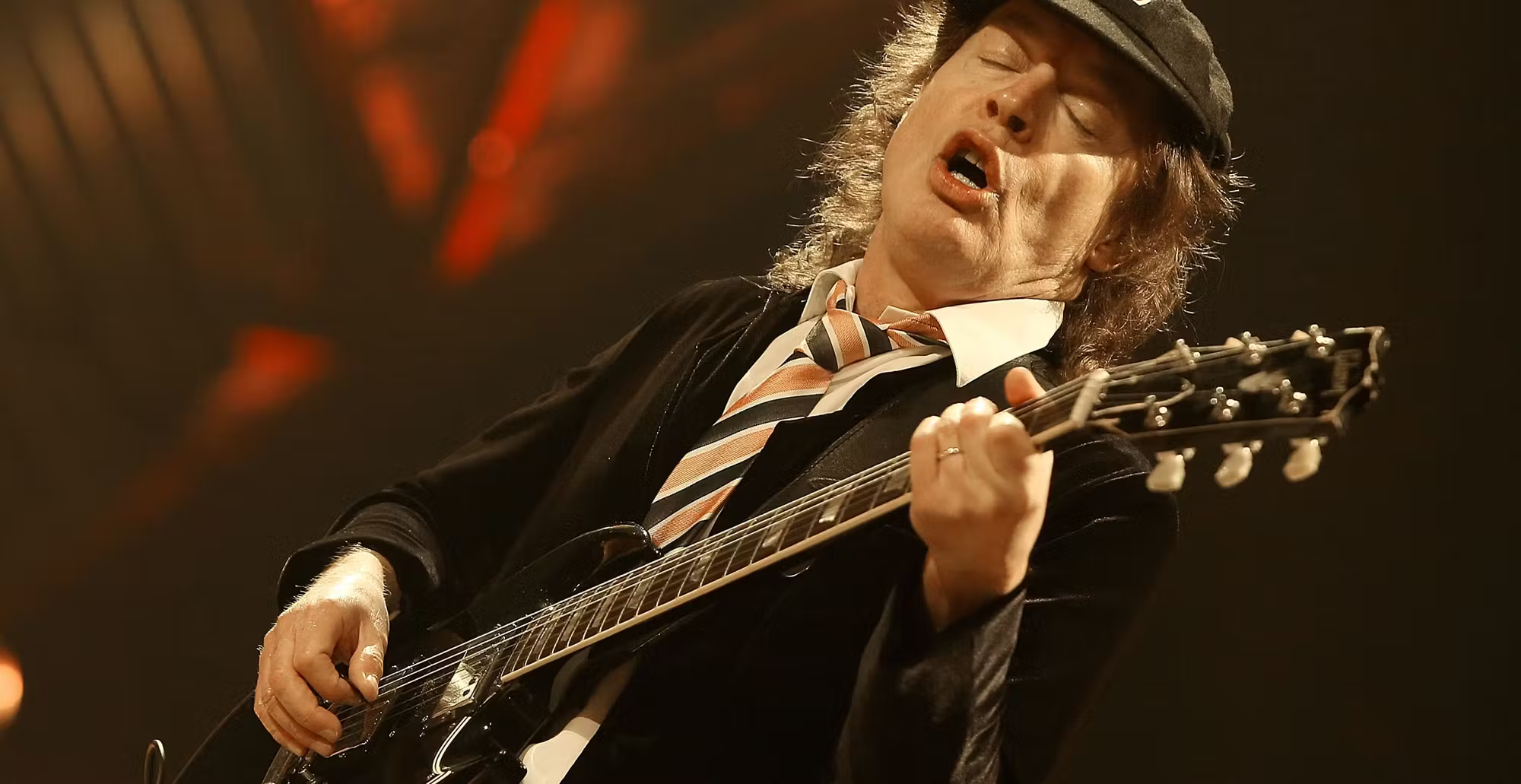
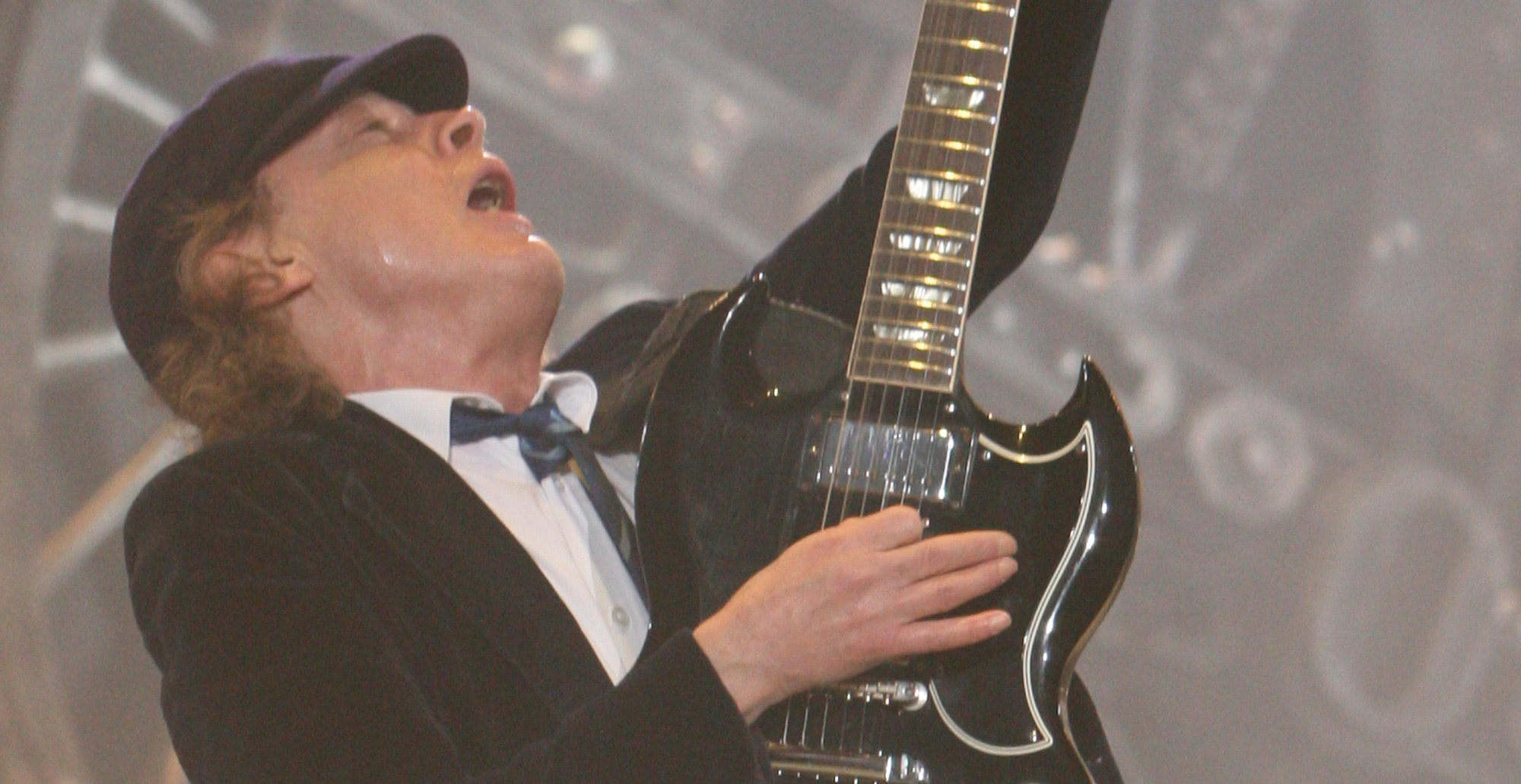
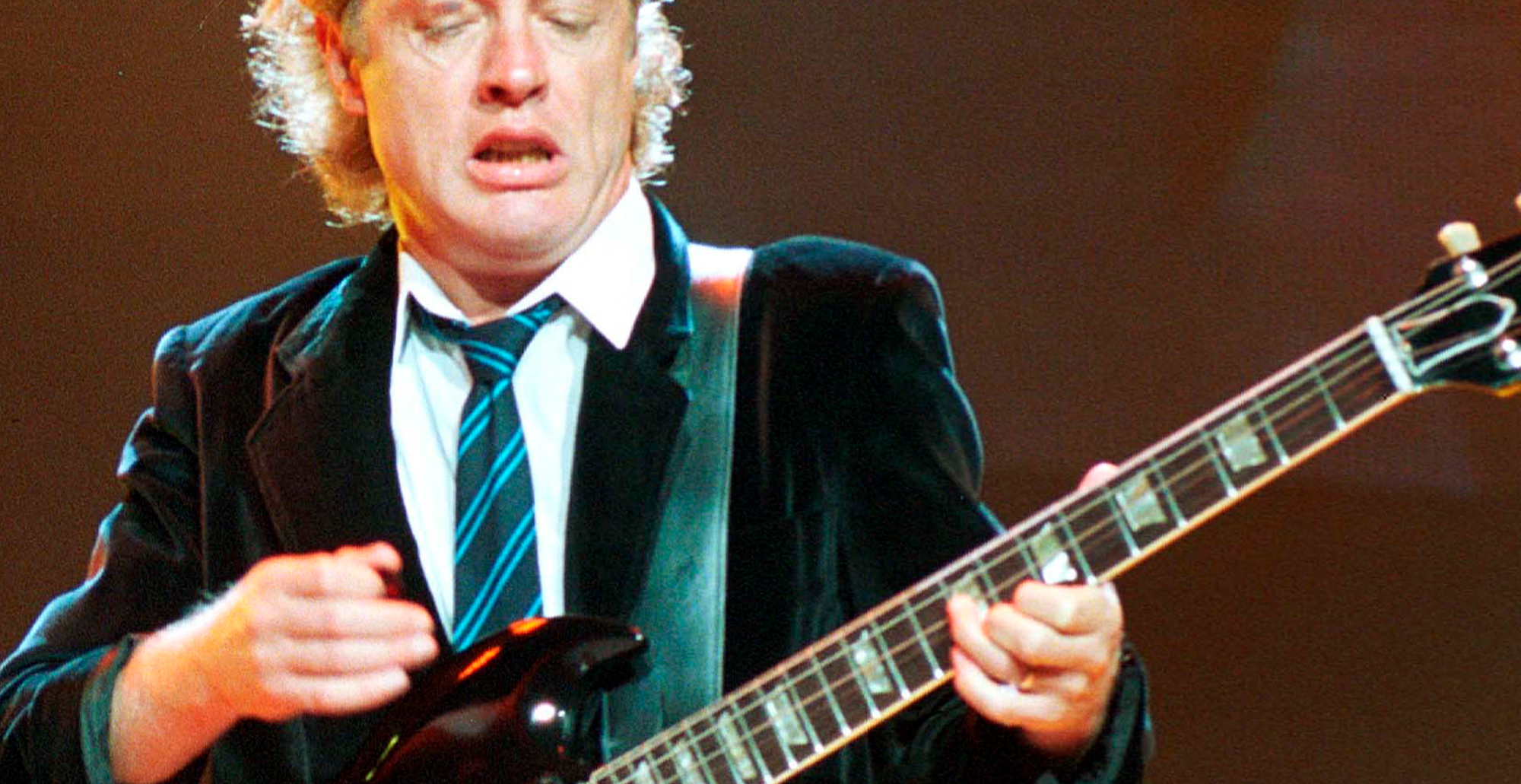
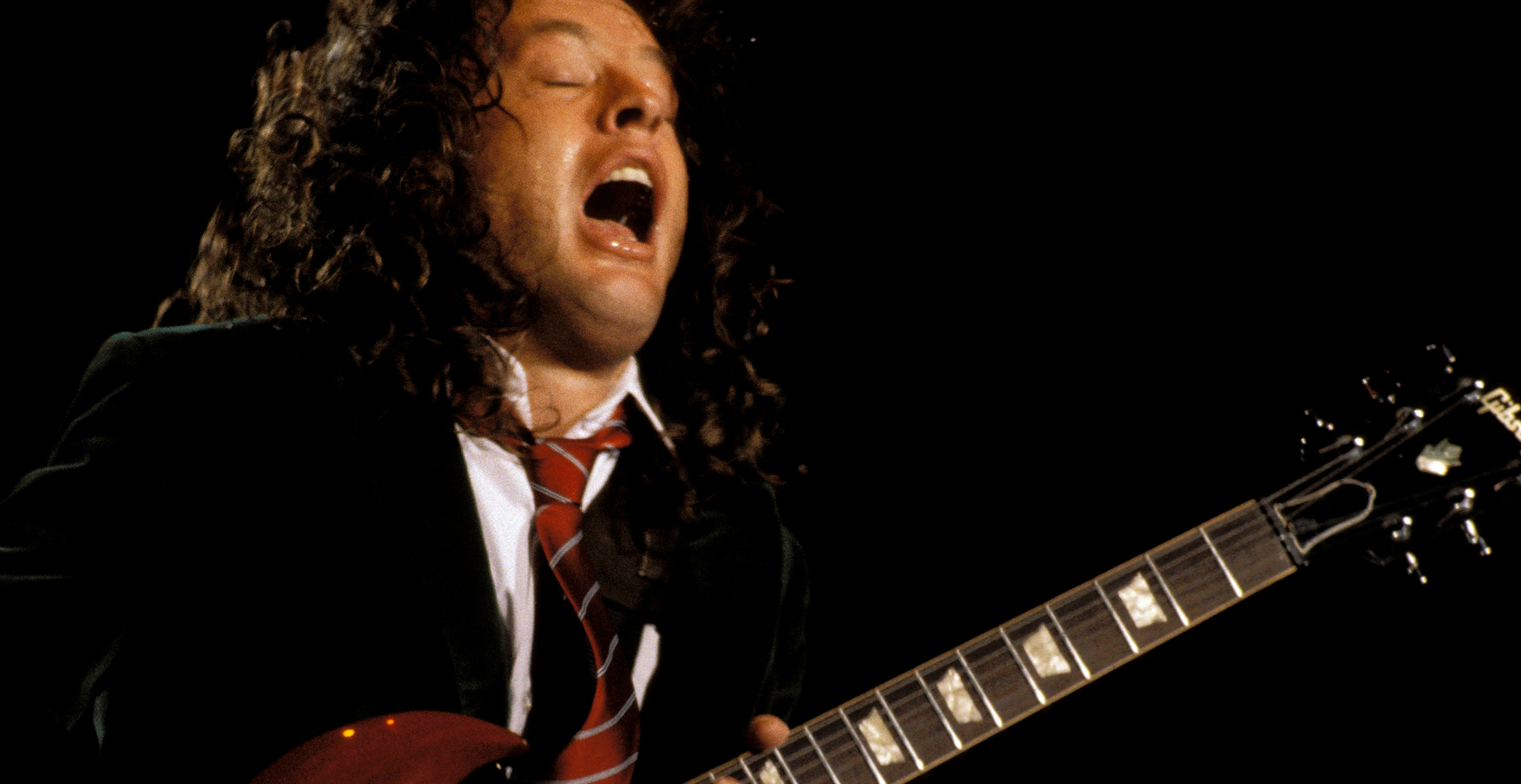
Angus Young, AC/DC's iconic lead guitarist, is known for his electrifying solos and aggressive playing style. His blues-influenced approach blends perfectly with the hard rock energy that AC/DC is famous for. Angus' playing on "Play Ball" showcases his signature use of string bends, vibrato, and rapid-fire alternate picking, all with a tight, bluesy feel that keeps the song grounded in rock tradition.
Malcolm Young, AC/DC’s rhythm guitarist, was the backbone of the band's sound. His powerful, precise playing is the foundation of many of AC/DC’s biggest hits. In "Play Ball," Malcolm delivers a driving, rhythmically locked performance, making use of power chords and palm muting to create the band's signature rock-solid groove.
Guitar Techniques in "Play Ball"
This lesson focuses on key guitar techniques found throughout "Play Ball." Each technique not only contributes to the AC/DC sound but also enhances your skill set as a guitarist. Below, we break down the most important techniques featured in the song and explain how mastering them will benefit your playing.
Power Chords
Power chords are a fundamental element of "Play Ball." They provide the thick, punchy sound that drives the rhythm of the song. AC/DC’s music often relies on power chords to create a strong, full tone without overcomplicating the harmony.
Benefit: Learning power chords gives you the ability to play with more authority and precision. They are a staple in rock music, and mastering them will give you the foundation to play countless rock songs.
Palm Muting
Palm muting is used throughout the rhythm sections of "Play Ball" to create a tight, controlled sound. This technique involves lightly resting the side of your picking hand on the strings near the bridge while strumming, which mutes the strings just enough to keep the rhythm sharp and percussive.
Benefit: Mastering palm muting will help you control your sound, making your rhythm playing more articulate. It's essential for playing tight, syncopated riffs like those in "Play Ball."
String Bending
String bending is a technique used by Angus Young to give his solos an expressive, vocal-like quality. In "Play Ball," you’ll find bends used in the lead sections to add tension and emotion to the melody.
Benefit: Learning to bend strings accurately will strengthen your fingers and give your solos more expression and attitude, helping you sound more like the rock legends you admire.
Vibrato
Vibrato, often paired with string bending, is another key technique found in the solos of "Play Ball." It involves rapidly oscillating the pitch of a note, creating a richer, more dynamic sound. Angus Young’s use of vibrato adds intensity to sustained notes, giving his solos a dramatic flair.
Benefit: Mastering vibrato will enhance your ability to sustain notes with personality, making your lead playing stand out and sound more professional.
Hammer-ons and Pull-offs
Both hammer-ons and pull-offs are employed in the intro riff and throughout the lead parts of "Play Ball." These techniques allow for smooth transitions between notes without the need for constant picking. A hammer-on is performed by striking the string with your fretting hand, while a pull-off is the reverse, where you pull your finger off the string to allow a lower note to sound.
Benefit: These techniques are essential for fluid, fast playing, and they improve your finger dexterity. Mastering them will make your lead playing smoother and more efficient.
Alternate Picking
The fast-paced sections of the song utilize alternate picking, where you alternate between downstrokes and upstrokes with the pick. This technique is essential for maintaining speed and consistency in your playing, especially during the rhythm and solo parts of "Play Ball."
Benefit: Alternate picking will help you build speed and precision, allowing you to tackle faster riffs with ease while maintaining control.
Slides
Slides are a key technique in adding fluidity to your playing, and they are used in both the rhythm and lead sections of "Play Ball." A slide occurs when you move your finger along the fretboard while maintaining pressure on the string, creating a smooth transition between notes.
Benefit: Slides make your playing sound more connected and natural, adding flow to your melodies and riffs.
Guitar Techniques Covered
Our "Play Ball" guitar lesson provides hands-on practice with a variety of techniques that are essential for any rock guitarist. These techniques are not only used in this song but are also foundational skills that will apply to a wide range of music styles. Below is a list of the core techniques covered in the lesson, with links for further learning:
Techniques Used in "Play Ball":
By learning these techniques, you’ll gain valuable skills that will not only help you master "Play Ball" but also set you up for success in playing other rock classics. Dive in and get ready to rock like AC/DC!
Other AC/DC Guitar Lessons

Related Guitar Lessons