


Learn to play Knocking At Your Back Door - Guitar Lesson
Guitar lesson for this song by Deep Purple
“Knocking At Your Back Door” by Deep Purple
Step into the sophisticated hard rock world of Deep Purple with this note-for-note guitar lesson on “Knocking At Your Back Door.” This classic track showcases a darker, more modern edge to the band’s sound, combining intricate riffing, atmospheric textures, and expressive lead playing. In this lesson, Danny Gill breaks down every section of the song, gaining insight into the techniques and musical concepts that define Ritchie Blackmore’s iconic style during this era.
About the Guitarist
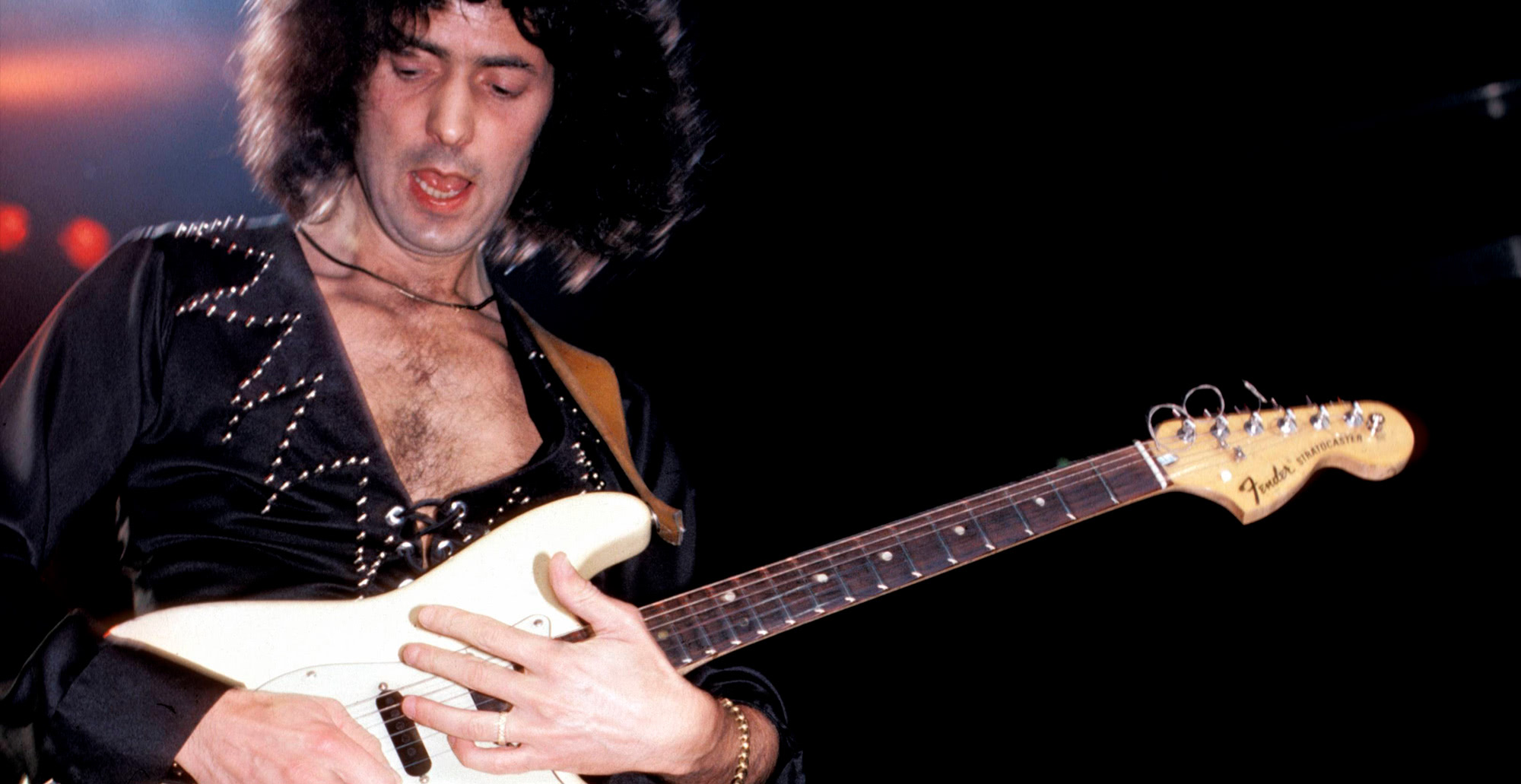
Ritchie Blackmore is one of rock’s most influential guitarists, known for blending classical-inspired phrasing with blues-based rock. His playing on “Knocking At Your Back Door” highlights a refined, mature approach—less about sheer speed and more about phrasing, tone, and dynamics. Blackmore’s use of harmonic minor ideas, expressive bends, and melodic motifs has inspired generations of players, and this track is a perfect example of his ability to craft memorable, dramatic guitar parts.
Song Breakdown
Intro & Main Riff
The song opens with a driving, syncopated riff built around tight palm-muted power chords and subtle rhythmic variation. The interplay between muted and open notes creates a sense of tension and groove that defines the track’s feel.
This section is a great study in rhythmic precision, requiring tight picking control and consistent timing. You’ll also encounter subtle slides and position shifts that help glue the riff together seamlessly across the fretboard.
Verse Sections
The verses dial things back dynamically, allowing space for the vocals while maintaining a strong harmonic foundation. Here, you’ll work through chord-based playing that incorporates both power chords and more expanded voicings.
This section focuses on control and feel, particularly when transitioning between chord shapes and maintaining a steady rhythmic pulse. It’s a great opportunity to develop your timing and consistency in a band-style context.
Pre-Chorus & Build-Up
The pre-chorus introduces a sense of tension through rising chord movement and more pronounced rhythmic accents. The guitar parts begin to open up, with less muting and more sustain.
This section teaches you how to build intensity through dynamics and articulation, an essential skill for any guitarist looking to move beyond static rhythm playing.
Chorus
The chorus delivers a powerful, anthemic feel with bigger chord voicings and a more open sound. The rhythm guitar shifts away from tight muting into ringing chords that support the vocal melody.
Here, you’ll refine your chord transitions and develop a stronger sense of dynamics, learning how to contrast sections effectively within a song.
Solo Section
The solo is a masterclass in melodic rock phrasing. Blackmore combines scalar runs with expressive bends, vibrato, and carefully placed pauses to create a solo that feels both composed and spontaneous.
You’ll explore phrasing techniques that emphasise musicality over speed, focusing on note choice, articulation, and timing to bring your solos to life.
Techniques Covered
Alternate Picking
Alternate picking is essential for maintaining clarity and precision in the song’s tighter riff sections. By developing a consistent picking motion, you’ll improve speed, control, and endurance, allowing you to execute riffs cleanly even at higher tempos.
Palm Muting
Palm muting is used extensively in the main riff to create a tight, percussive sound. Learning to control the amount of muting helps you shape your tone and add rhythmic definition to your playing.
Power Chords
Power chords form the backbone of the rhythm guitar parts. Mastering these shapes and their movement across the neck will improve your ability to play confidently in a rock context.
String Bending
String bending is a key element of the solo, adding expression and vocal-like qualities to your lead playing. Practising accurate pitch and control will greatly enhance your melodic phrasing.
Vibrato
Vibrato is crucial for sustaining notes and adding character to your playing. Developing a controlled, even vibrato will make your solos sound more polished and expressive.
Legato (Hammer-Ons & Pull-Offs)
Legato techniques allow for smoother, more fluid runs in the solo. By combining hammer-ons and pull-offs, you’ll reduce picking effort and achieve a more connected sound across phrases.
Slides
Slides are used to transition between positions and add a fluid, expressive quality to both riffs and lead lines. They help create a more vocal, connected feel across the fretboard.
Arpeggios
Arpeggiated ideas appear in the lead work, outlining chord tones and adding harmonic clarity. Learning these shapes will improve your understanding of chord-tone soloing and fretboard navigation.
Syncopated Rhythms
The song’s groove relies heavily on syncopation, particularly in the main riff. Developing this skill will enhance your timing and ability to lock in with a rhythm section.
Why Learn This Song?
“Knocking At Your Back Door” is more than just a great rock track—it’s a lesson in dynamics, phrasing, and musical control. By working through this song, you’ll develop a deeper understanding of how to balance rhythm and lead playing, refine your timing, and improve your overall musical expression.
This lesson is perfect for players looking to move beyond basic rock guitar and explore a more nuanced, expressive style rooted in classic influences but delivered with a modern edge.
Techniques Used (with Glossary Links)
Other Deep Purple Guitar Lessons



Related Guitar Lessons

