Learn to play King of Rock and Roll - Guitar Lesson
Guitar lesson for this song by Dio
Dio – King of Rock and Roll
Learn how to play King of Rock and Roll by Dio with this note-for-note guitar lesson, breaking down the powerful riffs, driving rhythm guitar and fiery lead work that give the track its unmistakable heavy metal character. Taken from Dio’s 1985 album Sacred Heart, “King of Rock and Roll” is an energetic showcase of classic ’80s metal guitar, combining muscular power chord riffs with fast lead phrases, expressive bends and aggressive picking.
In this lesson, Danny Gill gives guitarists the opportunity to develop both rhythm and lead skills while learning a complete Dio track. From tightly controlled distorted riffs to the expressive techniques used during the guitar solo, the song provides plenty of ideas that can be transferred into your own rock and metal playing.
The Guitar Style of Vivian Campbell
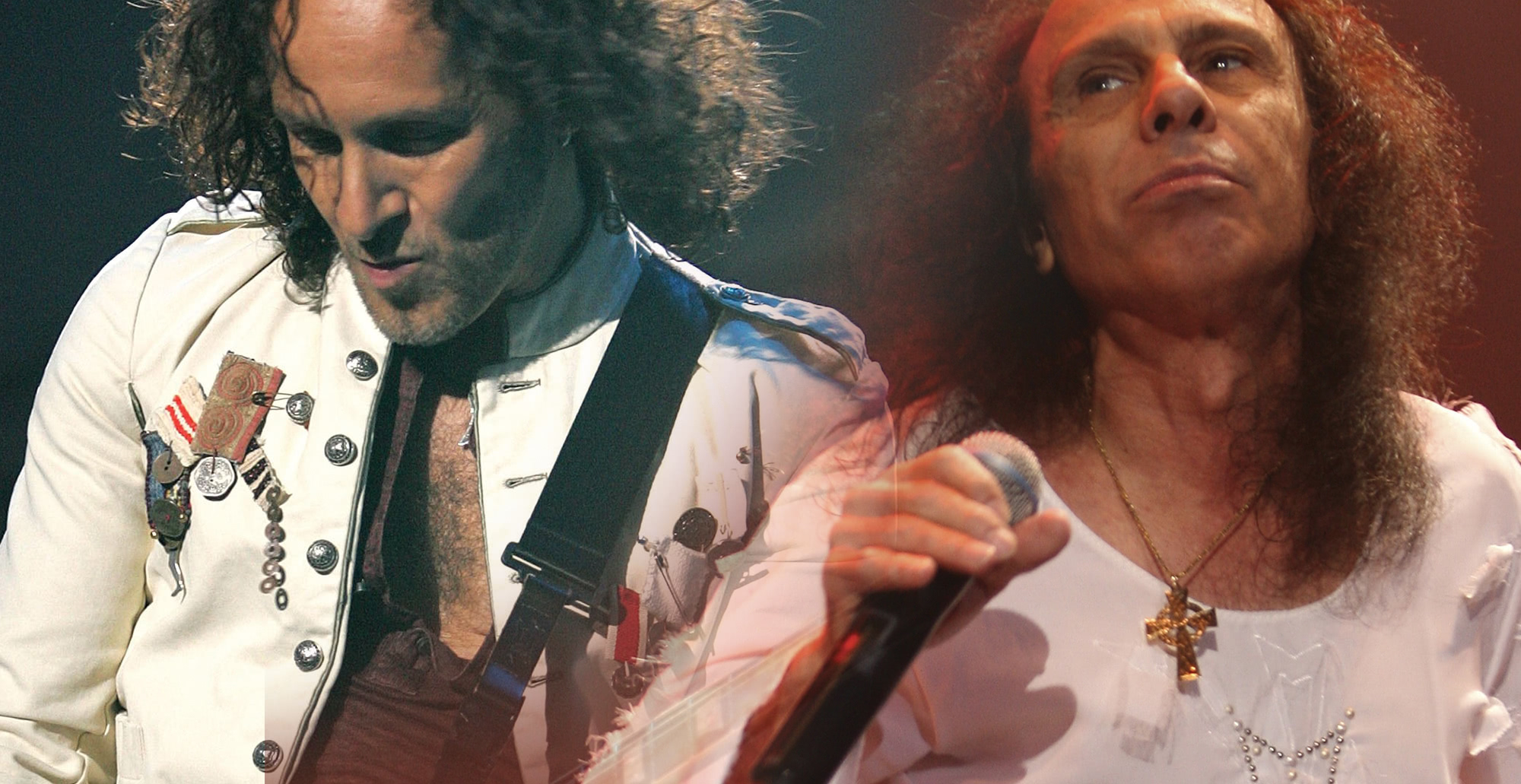
The guitar work on “King of Rock and Roll” comes from Vivian Campbell, whose playing was an essential ingredient in the sound of Dio’s early albums. Campbell combined the melodic vocabulary of classic hard rock with the speed, precision and aggression that became increasingly important to heavy metal guitar during the 1980s.
His playing with Dio demonstrated how technical lead guitar could remain melodic and closely connected to the song. Rather than relying purely on speed, Campbell frequently combines rapid picking and legato phrases with strong bends, vibrato and carefully placed melodic ideas. Learning his parts in “King of Rock and Roll” is therefore an excellent way to study the balance between technique, melody and attitude that defines great rock guitar playing.
Power Chord Riffing
A major part of “King of Rock and Roll” is its powerful rhythm guitar approach. Power chords provide the weight and aggression needed to support Ronnie James Dio’s commanding vocal performance, while the movement between chord shapes keeps the arrangement energetic.
Learning these sections helps develop accurate fretting-hand movement and strong pick attack. Power chord playing may appear straightforward, but making every chord sound equally powerful while maintaining clean transitions requires excellent coordination. Practising the riffs also develops the ability to lock into a rhythm section, an essential skill for anyone interested in playing hard rock or heavy metal guitar.
Palm Muting and Rhythmic Control
Palm muting is an important tool for controlling the distorted rhythm guitar sound. By resting the picking hand lightly against the strings near the bridge, the guitarist can create a tighter and more percussive sound while still retaining plenty of aggression.
Working on palm-muted passages improves picking-hand control and teaches you how subtle changes in hand pressure affect your tone. It also develops dynamic control, allowing you to move effectively between tight muted notes and more open, sustained chords. This contrast is a fundamental ingredient in countless classic and modern metal riffs.
Alternate Picking
The faster guitar passages require accurate alternate picking, particularly when moving through single-note riffs and lead lines. Alternating consistently between downstrokes and upstrokes makes faster passages more economical and allows the picking hand to remain relaxed.
Developing this technique improves speed, accuracy and synchronization between both hands. Rather than simply trying to play fast, learning Campbell’s phrases encourages you to concentrate on clean articulation and rhythmic consistency. These skills can then be applied to everything from fast metal riffs to technically demanding guitar solos.
Hammer-Ons, Pull-Offs and Legato
Campbell’s lead guitar style makes effective use of legato, including hammer-ons and pull-offs that allow notes to flow smoothly into one another. These techniques contrast with the harder attack of picked notes and give fast lead lines a more fluid character.
Practising hammer-ons and pull-offs develops fretting-hand strength and independence. It also helps guitarists learn to control the volume of notes produced without picking every note individually. Combining legato with picked phrases is particularly valuable because it allows you to create more varied articulation within a solo rather than having every phrase sound identical.
String Bending
String bending provides some of the most expressive moments in rock and metal lead guitar, and it is an important part of the vocabulary heard in “King of Rock and Roll.” Accurate bends allow individual notes to become vocal and dramatic, particularly when placed at the end of faster phrases.
Learning these bends develops pitch recognition as well as finger strength. Being able to bend accurately to a target note is one of the key differences between convincing lead guitar playing and simply moving around a scale shape. Campbell’s approach provides an excellent example of how bends can punctuate faster technical lines with memorable melodic statements.
Vibrato
Once a note has been bent or sustained, vibrato adds movement and personality. Vivian Campbell’s lead style uses expressive vibrato to give important notes greater authority, preventing sustained notes from sounding static.
Practising vibrato improves pitch control and helps you develop your own lead guitar voice. It also teaches an important lesson about phrasing: a well-controlled sustained note can often have as much impact as a rapid run. Learning where Campbell allows notes to breathe is therefore just as valuable as mastering the faster sections of the solo.
Slides
Slides help connect different fretboard positions and add extra expression to both riffs and lead phrases. Instead of every note beginning with a fresh pick attack, sliding creates a smooth transition that adds movement and character.
Developing accurate slides improves fretboard navigation and helps you move confidently between positions. This is particularly useful for lead guitarists, as it encourages you to see the neck as one connected musical area rather than a collection of isolated scale boxes.
Sustain and Lead Guitar Phrasing
The distorted guitar tone allows important lead notes to sustain, giving Campbell room to shape notes with vibrato and bends. Learning to control sustained notes is an important skill because it encourages players to think about phrasing, dynamics and note duration rather than concentrating solely on speed.
This can improve your overall musicality as a lead guitarist. Understanding when to hold a note, when to apply vibrato and when to launch into a faster phrase creates contrast and makes solos sound more deliberate and expressive.
Bringing the Rhythm and Lead Parts Together
Learning “King of Rock and Roll” provides a strong workout for both sides of rock guitar playing. The rhythm sections demand consistent timing, powerful chord changes and controlled picking, while the lead passages introduce faster articulation and expressive techniques.
The real benefit comes from combining these skills. Moving from tightly controlled rhythm guitar into an expressive lead phrase requires quick adjustments in picking attack, fretting-hand pressure and dynamics. Mastering these transitions will make you a more versatile guitarist and help prepare you for a huge range of classic hard rock and heavy metal material.
For fans of Dio, Vivian Campbell and classic ’80s metal guitar, learning “King of Rock and Roll” note for note offers an excellent opportunity to explore the techniques behind an energetic and technically rewarding track. By studying the riffs and lead guitar parts in detail, you can build greater picking accuracy, stronger rhythm playing and more expressive soloing while adding another Dio classic to your repertoire.
Techniques Used
Other Dio Guitar Lessons
Related Guitar Lessons