

Learn to play Race With The Devil - Guitar Lesson
Guitar lesson for this song by Girlschool
Race With The Devil – Girlschool
Learn to play “Race With The Devil” by Girlschool with LickLibrary’s detailed note-for-note guitar lesson. This powerhouse track, originally covered by Girlschool in 1980, is a thrilling example of early British heavy metal attitude combined with punk-inspired energy. Our lesson breaks down every riff, lick, and solo section in full detail, giving you the tools to capture the fiery playing style that made this song an anthem of the New Wave of British Heavy Metal (NWOBHM) movement. Eliza Lee breaks down this classic track in this exclusive Lick Library video tutorial.
About the Song
“Race With The Devil” showcases Girlschool’s tight musicianship, blending gritty, driving rhythms with melodic lead work and harmonised guitar lines. The song’s blend of aggression and precision makes it a perfect study piece for developing rock and metal guitar skills. Through this lesson, you’ll explore the techniques that create the song’s high-octane sound — from powerful rhythm playing to expressive solo phrasing.
About the Guitarists
The track features Kelly Johnson and Kim McAuliffe, two of the most influential female guitarists in heavy metal history. Kelly Johnson’s lead work combined technical ability with raw emotion, often using bold bends, slides, and a cutting vibrato that gave her solos a vocal-like quality. Her dynamic stage presence and blazing tone earned her comparisons to rock legends like Michael Schenker and Eddie Van Halen.
Kim McAuliffe’s rhythm playing anchored the band’s sound with tight, driving riffs that perfectly balanced aggression and clarity. Her command of power chords and syncopated rhythms helped define Girlschool’s distinctive style — blending heavy rock riffs with an infectious sense of groove. Together, their twin-guitar approach influenced countless rock and metal bands that followed, proving that women could not only match but outplay their male contemporaries in the hard rock arena.
Guitar Techniques Covered
Power Chords
The backbone of “Race With The Devil” lies in its relentless power chord riffs. These chunky, overdriven chords form the foundation of the song’s aggressive tone. Learning these sections will help players strengthen their rhythm accuracy, improve chord transitions, and build stamina for high-energy playing — essential for mastering any hard rock or metal track.
Palm Muting
To achieve the song’s punchy and percussive feel, palm muting is used extensively. Mastering palm muting not only tightens your rhythm but also enhances control over your tone and dynamics. This technique is vital for replicating the driving gallop that makes the song feel so powerful.
String Bending and Bluesy Bends
The lead sections feature expressive string bending and bluesy bends that give the solos a vocal, emotive character. These techniques teach you to control pitch and intonation while adding personality to your lead playing. Perfect bends are the difference between a flat solo and one that sings with emotion and confidence.
Vibrato
Kelly Johnson’s signature vibrato adds sustain and intensity to her lead phrases. Developing a strong vibrato technique will help you create a more expressive tone, allowing your playing to sound fluid and professional. It’s an essential skill for conveying emotion through your solos.
Slides
Slides are used throughout the riffs and lead lines to create seamless transitions between notes and add movement to the phrasing. Practicing slides helps refine finger accuracy and strength while enhancing your ability to connect musical ideas smoothly.
Alternate Picking
For speed and precision, especially in the main riff, alternate picking is essential. This technique builds synchronization between your picking and fretting hands, leading to greater speed, endurance, and rhythmic clarity — key attributes for rock and metal players.
Double Stops
Girlschool’s harmonised lines and riff embellishments often make use of double stops. These two-note phrases help create a fuller, more powerful sound, and learning them improves finger independence and chordal awareness — skills crucial for both rhythm and lead guitar.
Unison Bends
Unison bends are used to add aggression and tension to the lead parts, a hallmark of 80s metal guitar tone. Practicing unison bends will train your ear for pitch accuracy and add intensity to your solos.
Harmonics and Pinched Harmonics
To add bite and flair to solos, harmonics and pinched harmonics are used to accent key phrases. These techniques allow players to add a screaming, controlled overtone to their notes — ideal for adding excitement to live performances and recordings alike.
Galloping Rhythms
The song’s driving pulse features elements of galloping rhythms, which help create its relentless forward motion. Developing this rhythmic pattern strengthens your picking hand timing and precision — a must for mastering classic metal grooves.
Dual Guitar Harmonies
“Race With The Devil” features moments of dual guitar harmonies between Johnson and McAuliffe, creating a layered and melodic texture. Learning to play in harmony with another guitarist sharpens your timing, intonation, and understanding of interval relationships — valuable skills for band or studio work.
Why Learn This Song
Studying “Race With The Devil” offers guitarists a deep dive into the techniques that shaped the early sound of British heavy metal. From precise rhythm playing to expressive lead phrasing, this lesson helps you develop versatility, strength, and stylistic awareness. It’s a perfect song for players looking to bridge the gap between classic rock and early metal while sharpening their technique and musical expression.
Techniques Featured
- Vibrato
- Alternate Picking
- Power Chords
- Palm Muting
- String Bending
- Bluesy Bends
- Slides
- Double Stops
- Unison Bends
- Harmonics
- Pinched Harmonics
- Galloping Rhythms
- Dual Guitar Harmonies
This LickLibrary “Race With The Devil” guitar lesson gives you everything you need to faithfully recreate Girlschool’s legendary tones, master essential metal techniques, and capture the fiery spirit of one of the NWOBHM’s most enduring anthems.
Related Guitar Lessons




Related Guitar Courses
Study Black Sabbath’s Heaven And Hell with Danny Gill at Lick Library. Learn heavy riffs, solos and tones that helped shape classic metal guitar.

Study Black Sabbath Volume 4 with Danny Gill at Lick Library. Learn heavy riffs, tone and techniques from Tony Iommi’s iconic playing.

Jam with Black Sabbath style tracks with Danny Gill at Lick Library. Explore heavy riffs and early metal guitar techniques.

Learn classic metal guitar with Danny Gill at Lick Library. Explore heavy riffs and techniques inspired by early metal pioneers.
Study Blizzard Of Ozz with Danny Gill at Lick Library. Learn iconic riffs, solos and techniques that launched Randy Rhoads into guitar history.

Explore Tony Iommi’s groundbreaking Black Sabbath riffs in this Lick Library guitar course—essential rock and metal techniques that shaped the sound of heavy music.

Study Metallica’s Master Of Puppets with Danny Gill at Lick Library. Learn aggressive riffs, solos and rhythm techniques from a metal masterpiece.
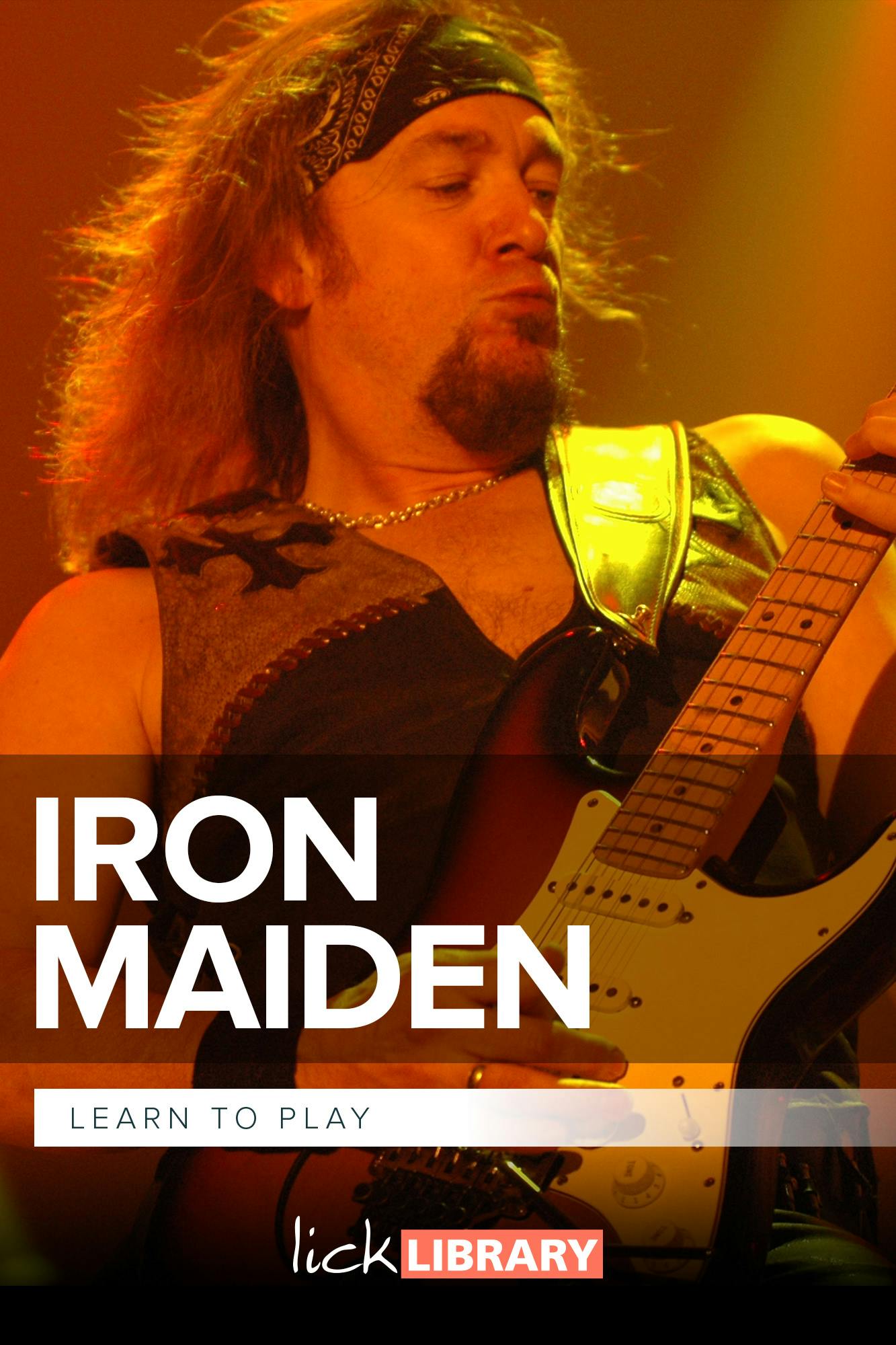
Learn to play in the style of Iron Maiden with Danny Gill at Lick Library. Explore classic metal riffs and twin lead guitar techniques.
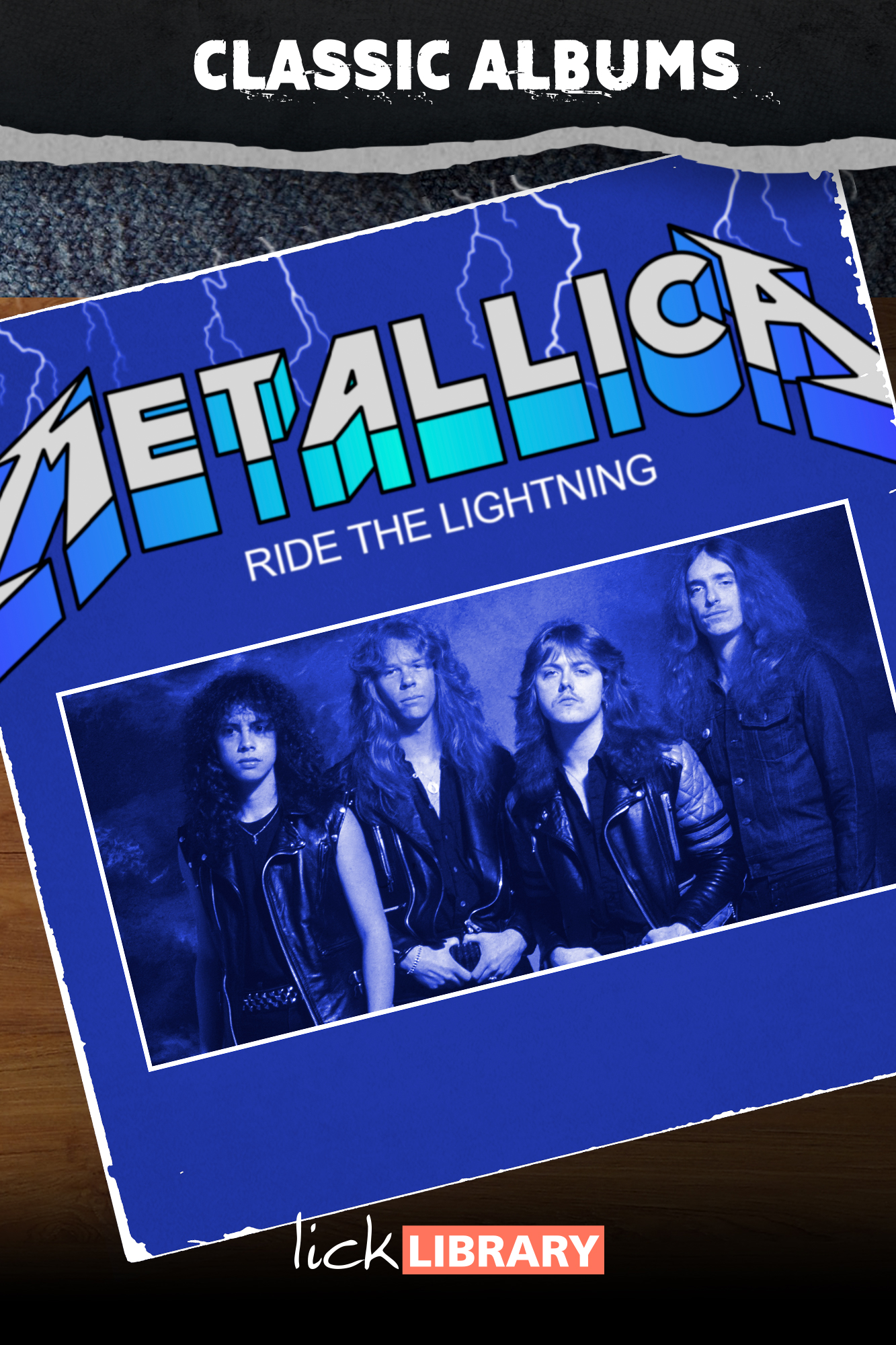
Study Metallica’s Ride The Lightning with Sam Bell at Lick Library. Learn aggressive riffs, solos and techniques from a metal landmark album.

Learn 20 classic rock riffs with Danny Gill at Lick Library. Build your repertoire with iconic riffs and essential rock guitar techniques.

Study Iron Maiden’s Powerslave with Sam Bell at Lick Library. Learn galloping riffs, harmonies and solos from one of metal’s most influential albums.
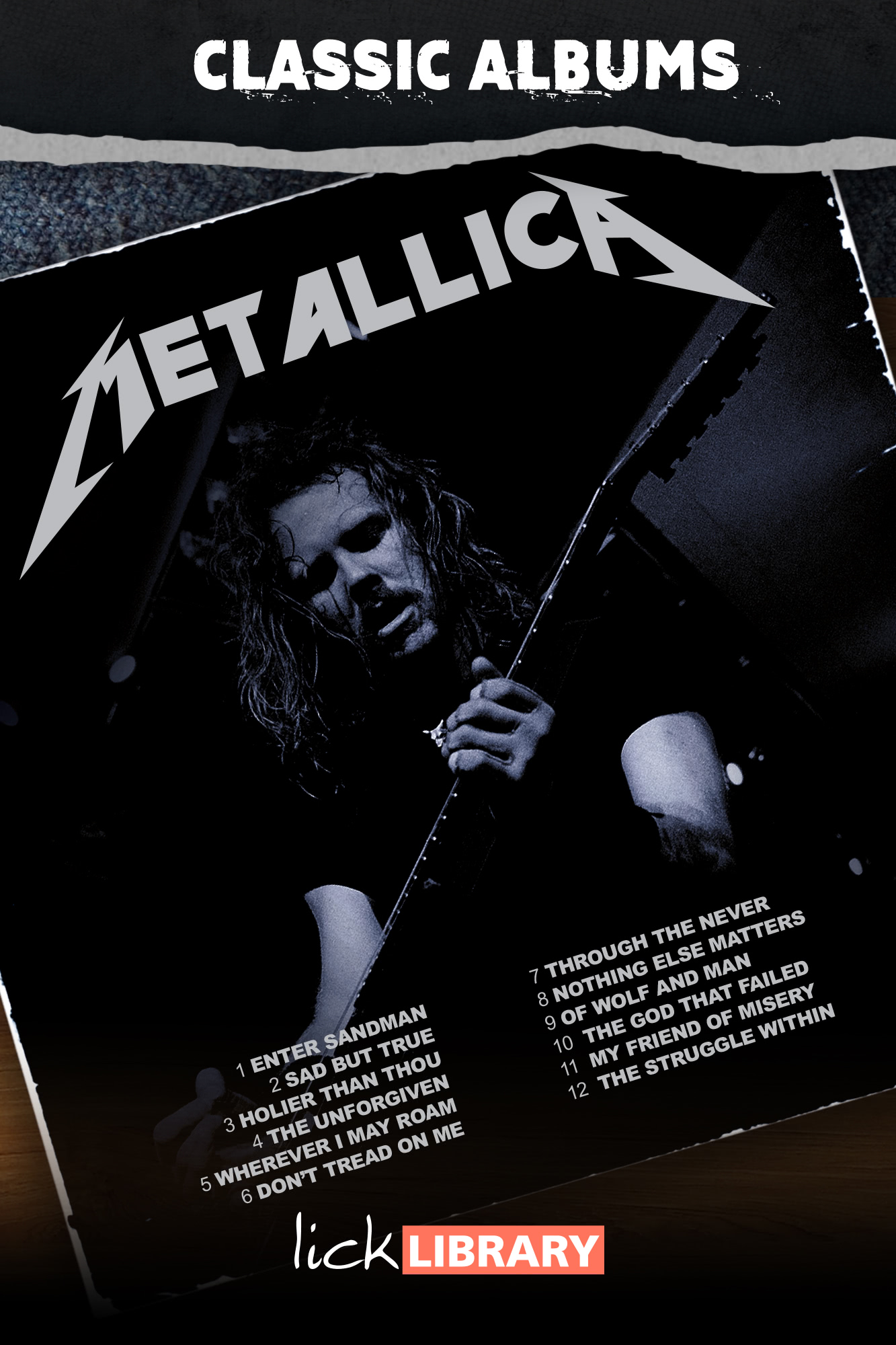
Study Metallica’s Black Album with Jamie Humphries at Lick Library. Learn heavy riffs, tight rhythms and iconic metal guitar techniques.
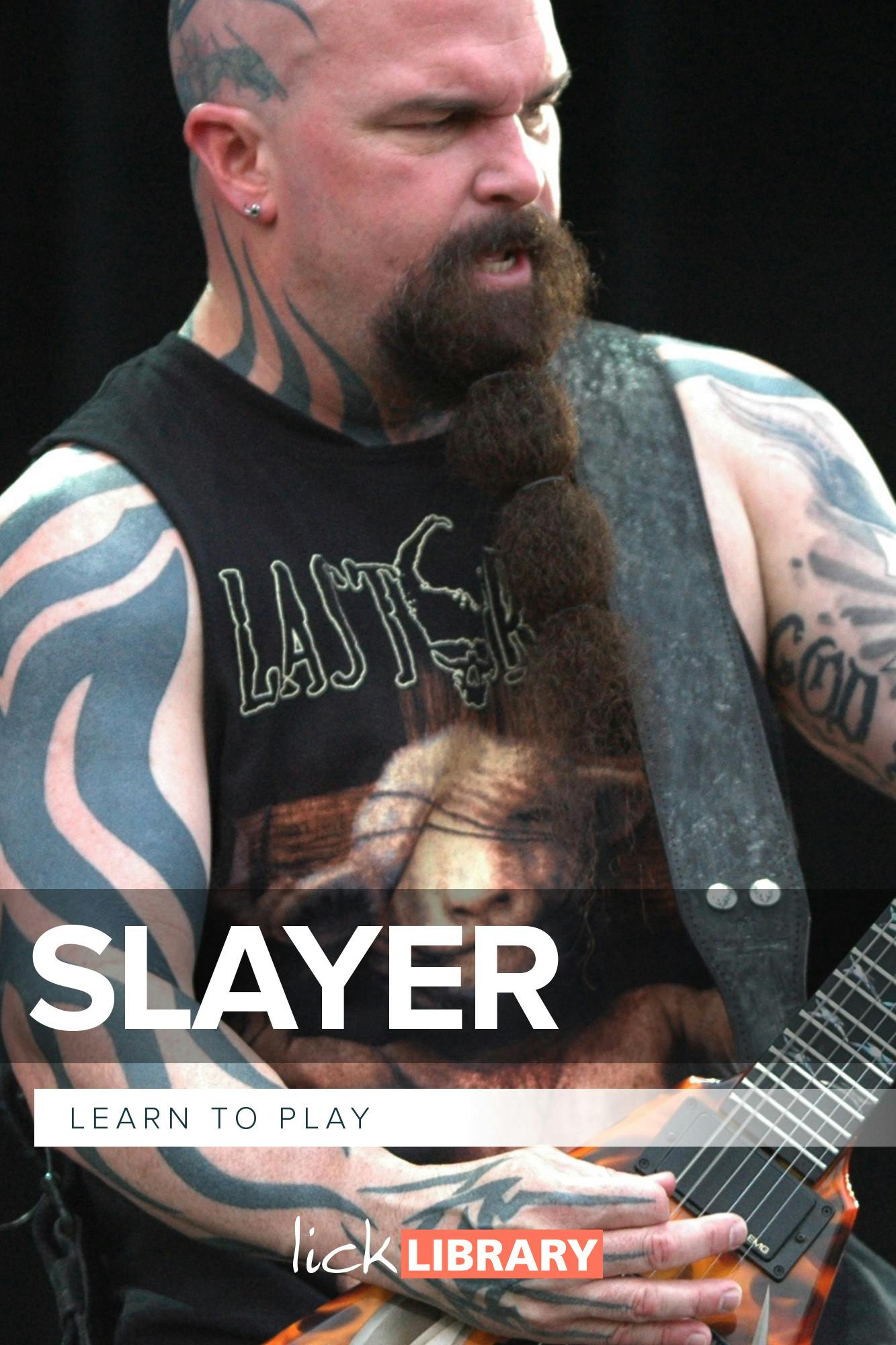
Learn to play in the style of Slayer with Andy James at Lick Library. Explore fast aggressive riffs, alternate picking and metal lead techniques.

Study Iron Maiden’s The Number Of The Beast with Danny Gill at Lick Library. Learn galloping riffs, harmonies and metal guitar techniques.
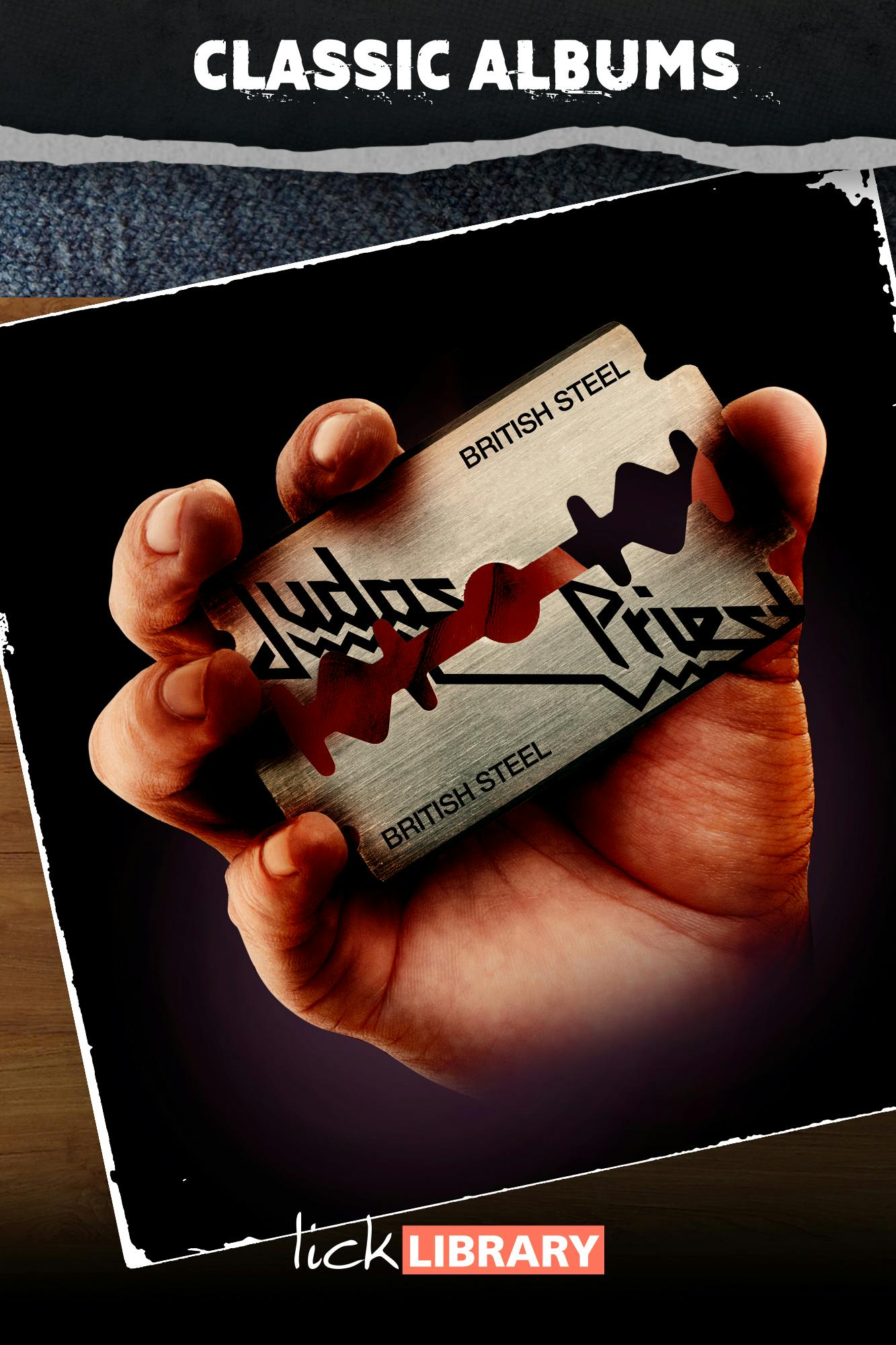
Study British Steel with Danny Gill at Lick Library. Learn heavy riffs, rhythm guitar and metal techniques that defined Judas Priest’s sound.

Learn to play in the style of Judas Priest with Danny Gill at Lick Library. Explore classic metal riffs, solos and twin guitar harmonies.
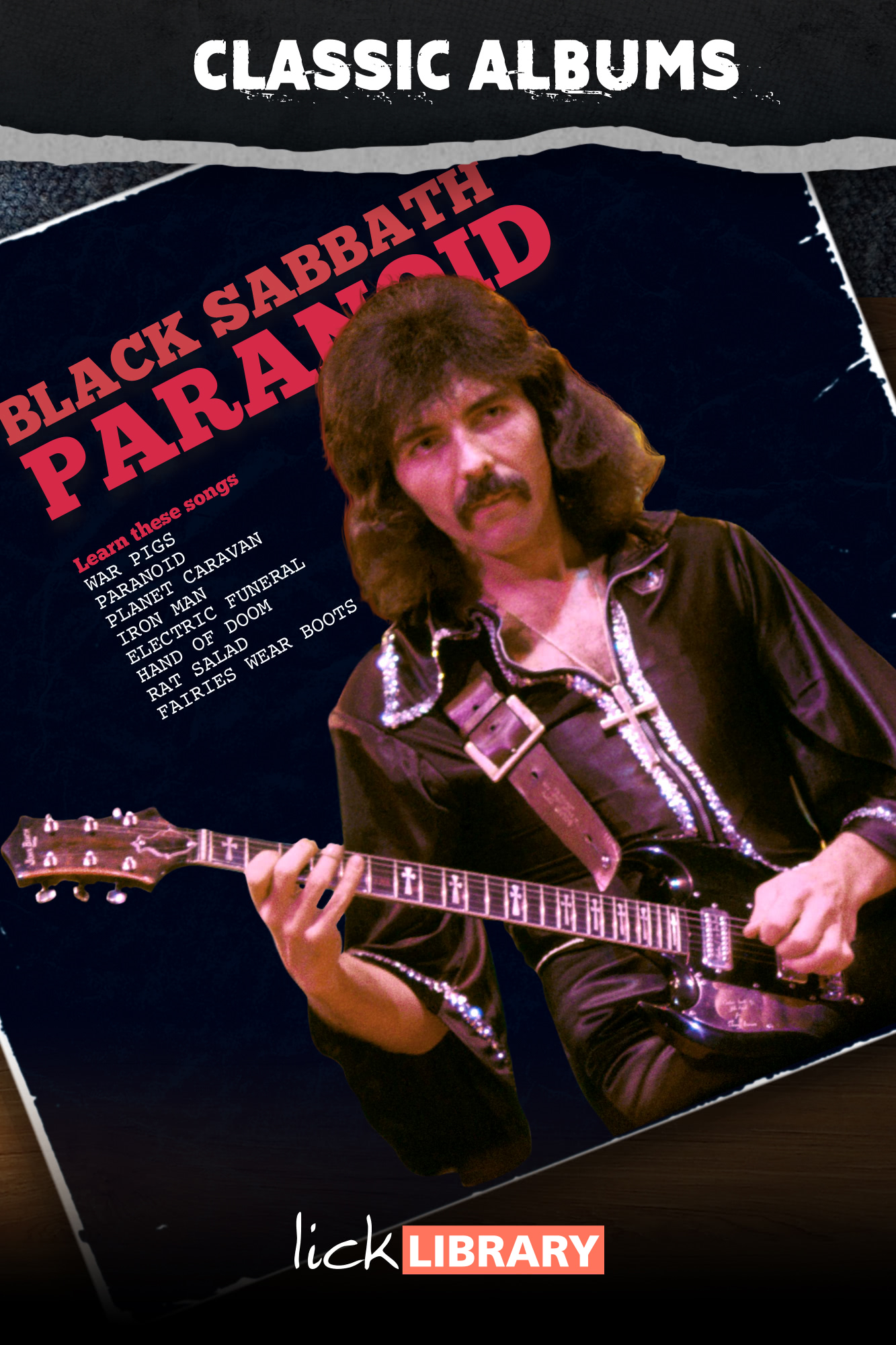
Study Black Sabbath’s Paranoid with Danny Gill at Lick Library. Learn heavy riffs, tone and techniques that helped define early metal guitar.

Study Black Sabbath’s Master Of Reality with Danny Gill at Lick Library. Learn heavy riffs, tone and techniques that shaped metal guitar.

Jam with Ozzy Osbourne style tracks with Danny Gill at Lick Library. Explore classic metal riffs and expressive lead guitar techniques.

Learn to play in the style of Avenged Sevenfold with Andy James at Lick Library. Explore modern metal riffs and advanced lead guitar techniques.

Learn to play in the style of Metallica with Jamie Humphries at Lick Library. Explore heavy riffs, rhythm playing and metal lead guitar.

Learn Metallica solos with Danny Gill at Lick Library. Explore Kirk Hammett’s lead guitar style, phrasing and techniques from classic metal tracks.
Learn Zakk Wylde solos with Andy James at Lick Library. Explore aggressive phrasing, pinch harmonics and modern metal techniques.
Learn Dimebag Darrell solos with Andy James at Lick Library. Explore aggressive phrasing and modern metal lead techniques.

Learn to play in the style of Megadeth with Andy James at Lick Library. Explore fast riffs, precision picking and metal techniques.

Learn to play in the style of Slipknot with Andy James at Lick Library. Explore modern metal riffs, rhythm techniques and heavy guitar tones.
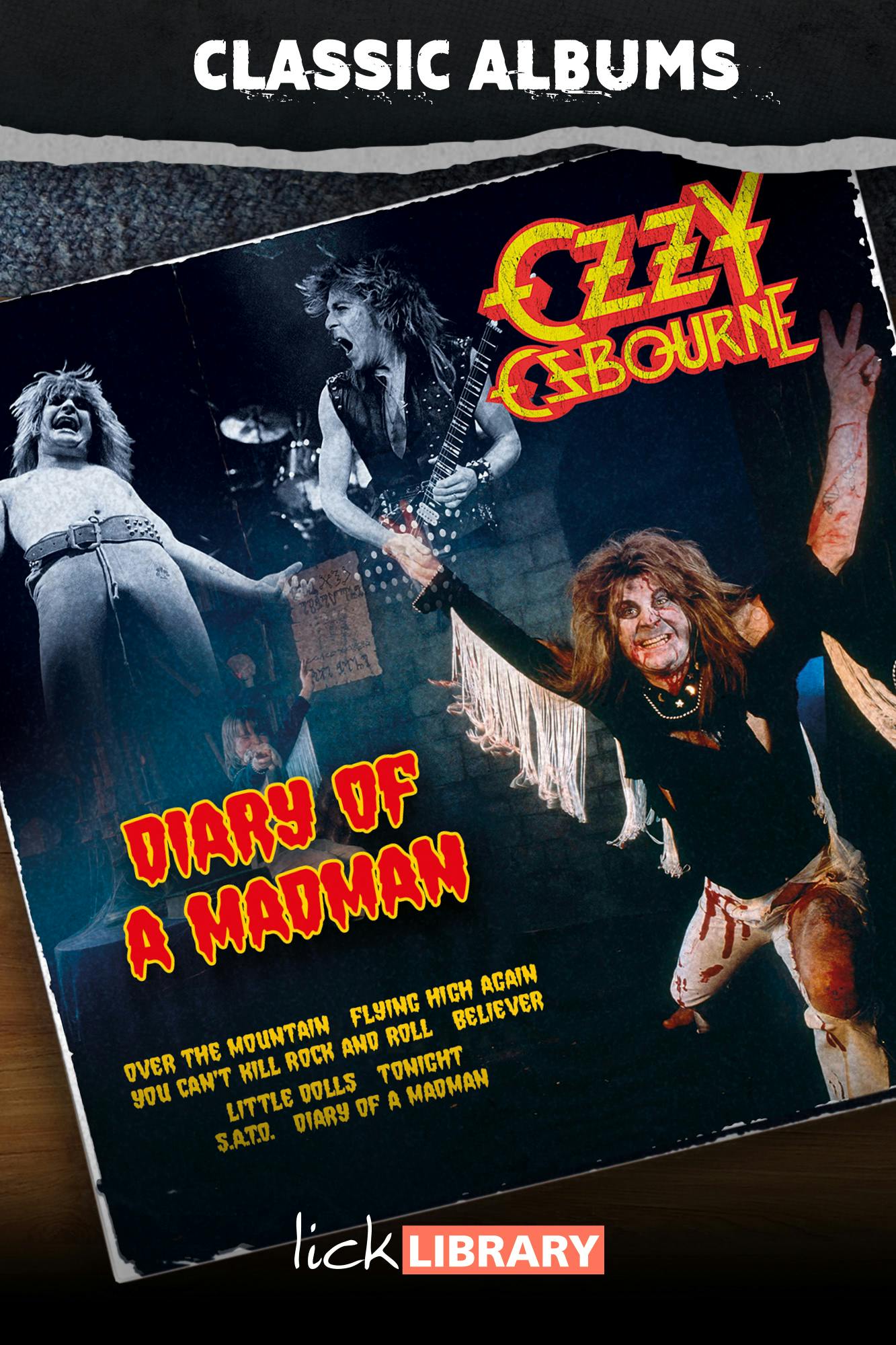
Study Ozzy Osbourne’s Diary Of A Madman with Danny Gill at Lick Library. Learn iconic riffs and solos inspired by Randy Rhoads.
Learn to play 80s metal with Danny Gill at Lick Library. Explore classic riffs, solos and high-energy guitar techniques.
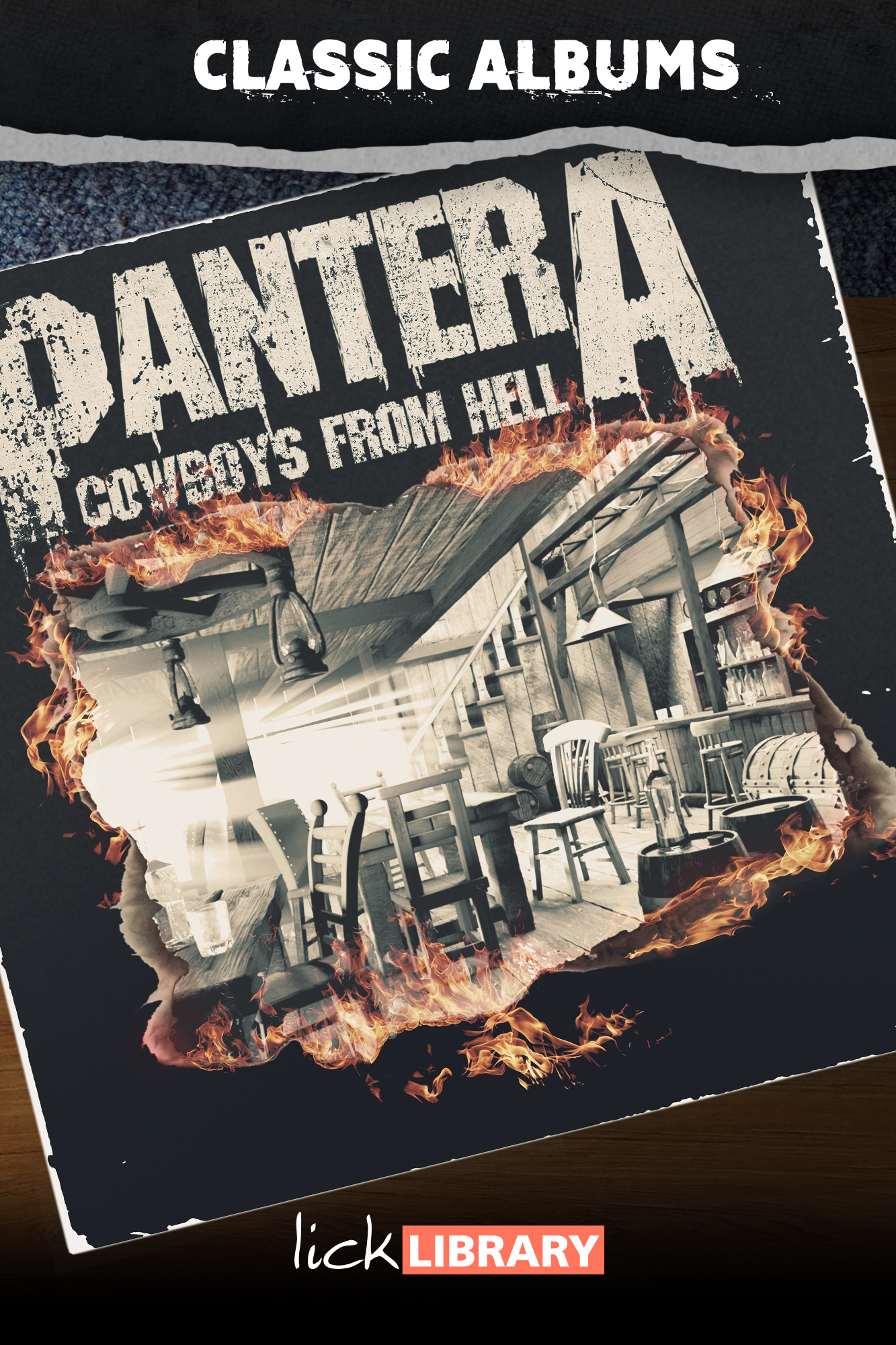
Study Pantera’s Cowboys From Hell with Sam Bell at Lick Library. Learn crushing riffs, tight rhythms and solos that defined modern metal guitar playing.

Learn Iron Maiden style guitar with Andy James at Lick Library. Explore harmonised leads, galloping riffs and classic metal techniques.