

Learn to play I Miss The Misery - Guitar Lesson
Guitar lesson for this song by Halestorm
I Miss The Misery – Halestorm | Guitar Lesson
Lick Library’s note-for-note guitar lesson for “I Miss The Misery” by Halestorm delivers a detailed breakdown of one of the band’s most attitude-heavy and riff-driven tracks. This lesson focuses on capturing the raw aggression, groove, and expressive lead work that define the song, while developing essential modern rock guitar techniques that translate directly into real-world playing situations.
“I Miss The Misery” is a masterclass in controlled heaviness. The guitars are bold and unapologetic, yet tightly arranged to leave space for the vocal performance. In this lesson, every rhythm part, accent, and lead phrase is taught note for note, allowing you to fully understand how the guitars function within the song. You’ll learn how subtle variations in picking attack, muting, and articulation can dramatically affect feel, tone, and impact.
The lesson is presented in a clear, progressive format, with slow demonstrations and full-speed play-throughs to help you build confidence and accuracy. Whether you’re looking to sharpen your rhythm playing or add more authority and expression to your lead work, this song offers a wealth of practical learning opportunities. Richard Shaw breaks down this classic track in this exclusive Lick Library video tutorial.
Song Structure and Rhythm Guitar Foundations
The rhythmic backbone of “I Miss The Misery” is built around powerful, groove-oriented riffs that rely on tight execution rather than complexity. The lesson breaks down how these riffs are constructed using strong power chord shapes, controlled muting, and precise timing. You’ll learn how to keep repeated sections sounding energetic and consistent, even under high-gain conditions.
A key focus is the song’s use of syncopated rhythms. These off-beat accents give the riffs their swagger and attitude, and learning to lock them in correctly is essential. By studying how the rhythm guitar interacts with the drums and vocals, you’ll develop a stronger sense of groove and dynamic control—skills that are crucial for any rock guitarist.
Lead Guitar Style and Attitude
While the song doesn’t rely on extended shred solos, the lead guitar moments are packed with personality. This lesson shows how expressive phrasing, well-placed bends, and sustained notes create tension and release without unnecessary complexity. The lead parts serve the song, reinforcing its aggressive mood rather than distracting from it.
You’ll also explore how harmonics and subtle slides are used to add flair and emphasis. These details may seem small, but when executed correctly they elevate the entire performance. Learning to apply restraint and intention to your lead playing is one of the most valuable takeaways from this lesson.
Key Guitar Techniques Explained
Power Chords
Power chords are the foundation of the song’s rhythm guitar. Learning to play them cleanly and confidently helps you achieve a tight, authoritative rock tone. Developing consistency with power chords also improves left-hand strength and right-hand accuracy.
Palm Muting
Palm muting is essential for shaping the aggression of the riffs. This technique allows you to control sustain and dynamics, creating contrast between tightly muted passages and open, ringing chords. Strong palm-muting control leads to cleaner, more professional-sounding rhythm parts.
Alternate Picking
Alternate picking keeps the riffs sounding even and controlled. Practising this technique improves picking efficiency and stamina, helping you maintain clarity during fast or repetitive sections.
String Bending and Bluesy Bends
Bends are central to the song’s lead phrasing. Accurate bending adds vocal-like expression and attitude, while blues-influenced bends inject grit and character. Mastering bends improves pitch control and emotional delivery in solos.
Vibrato
Vibrato is used to enhance sustained notes and give them authority. Developing a controlled vibrato helps your lead playing sound more confident, expressive, and intentional.
Slides
Slides connect phrases smoothly and add momentum to lead lines. Learning to control slides improves fretboard navigation and makes transitions sound fluid rather than abrupt.
Hammer-Ons and Pull-Offs
These legato techniques are used in fills and lead phrases to create smooth, flowing lines. Improving legato playing strengthens left-hand coordination and expands your phrasing options.
Pinched Harmonics
Pinched harmonics add aggression and excitement to key moments. Learning to execute them consistently helps you inject personality and edge into both riffs and leads.
Double Stops
Double stops thicken lead lines and add harmonic interest. Mastering them improves intonation awareness and allows you to create fuller-sounding phrases without excessive notes.
Sustain
Controlled sustain allows lead notes to ring with authority. Understanding how picking attack, vibrato, and muting affect sustain helps you make simple phrases sound powerful and deliberate.
Syncopated Rhythms
Syncopation is crucial to the song’s feel. Learning to emphasise off-beats strengthens your rhythmic accuracy and gives your playing a more confident, modern rock groove.
The Guitarists and Their Influence
“I Miss The Misery” features the formidable guitar pairing of Lzzy Hale and Joe Hottinger. Lzzy Hale’s rhythm guitar work is bold, direct, and deeply connected to her vocal delivery, reinforcing the song’s attitude with uncompromising riffs and strong dynamics. Joe Hottinger complements this with a keen sense of texture, phrasing, and tone, adding depth and polish to both rhythm and lead parts.
Together, their playing blends classic hard rock influences with a modern edge, proving that power, groove, and song-first guitar parts remain just as impactful as technical flash. Their approach has helped shape Halestorm’s signature sound and continues to influence contemporary hard rock guitarists.
Why Learn This Song
Learning “I Miss The Misery” note for note will strengthen your rhythm guitar foundation, refine your expressive lead techniques, and deepen your understanding of modern hard rock songwriting. The skills developed in this lesson—tight muting, confident bends, and groove-focused playing—are transferable to countless styles and songs, making this an essential addition to any rock guitarist’s repertoire.
Guitar Techniques Used in This Lesson
Related Guitar Lessons












Related Guitar Courses
Learn to play in the style of Guns N’ Roses with Danny Gill at Lick Library. Explore riffs, phrasing and Slash inspired techniques.
Learn to play in the style of Slash with Danny Gill at Lick Library. Explore blues rock phrasing, bends and iconic hard rock lead guitar techniques.

Explore Extreme II Pornograffitti with Sam Bell at Lick Library. Learn funk rock riffs, advanced rhythms and virtuosic lead guitar techniques.
Study Ozzy Osbourne’s Diary Of A Madman with Danny Gill at Lick Library. Learn iconic riffs and solos inspired by Randy Rhoads.

Unlock Slash and Izzy Stradlin’s iconic rock guitar work in Guns N' Roses’ Use Your Illusion I with this Lick Library course—your ultimate guide to mastering classic riffs and solos.
Study Blizzard Of Ozz with Danny Gill at Lick Library. Learn iconic riffs, solos and techniques that launched Randy Rhoads into guitar history.

Study Use Your Illusion II with Danny Gill at Lick Library. Learn expressive solos, riffs and hard rock guitar techniques inspired by Slash.
Study Back In Black with Danny Gill at Lick Library. Learn iconic riffs, grooves and classic hard rock guitar techniques from AC/DC.
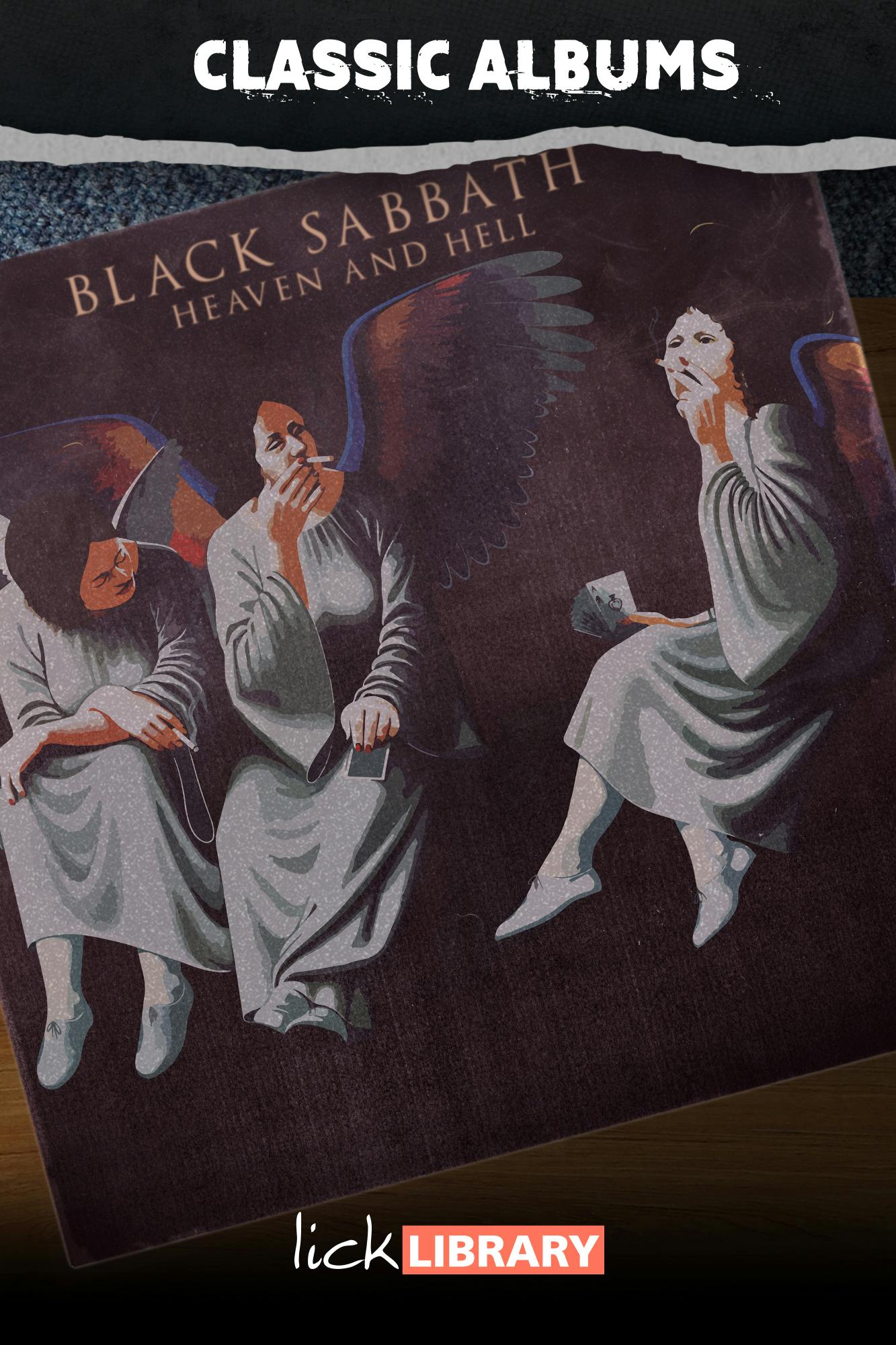
Study Black Sabbath’s Heaven And Hell with Danny Gill at Lick Library. Learn heavy riffs, solos and tones that helped shape classic metal guitar.

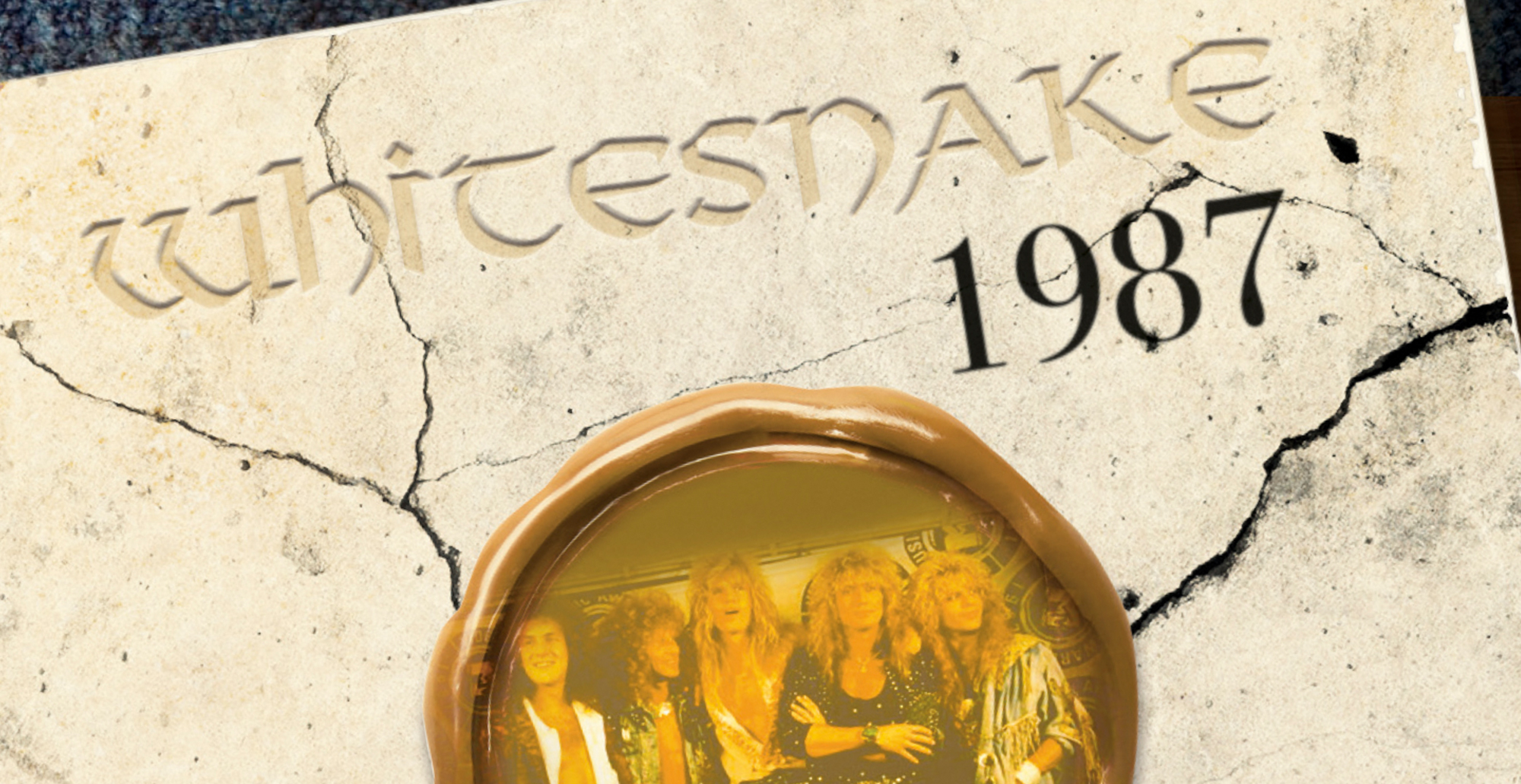
Explore Whitesnake’s 1987 with Danny Gill at Lick Library. Learn polished riffs, soaring solos and 80s hard rock guitar techniques from this iconic album.

Learn to play in the style of Scorpions with Danny Gill at Lick Library. Explore classic hard rock riffs, solos and melodic lead guitar techniques.

Learn 20 classic rock riffs with Danny Gill at Lick Library. Build your repertoire with iconic riffs and essential rock guitar techniques.

Study Van Halen’s 5150 with Sam Bell at Lick Library. Learn powerful riffs, solos and techniques from a landmark 80s rock guitar album.

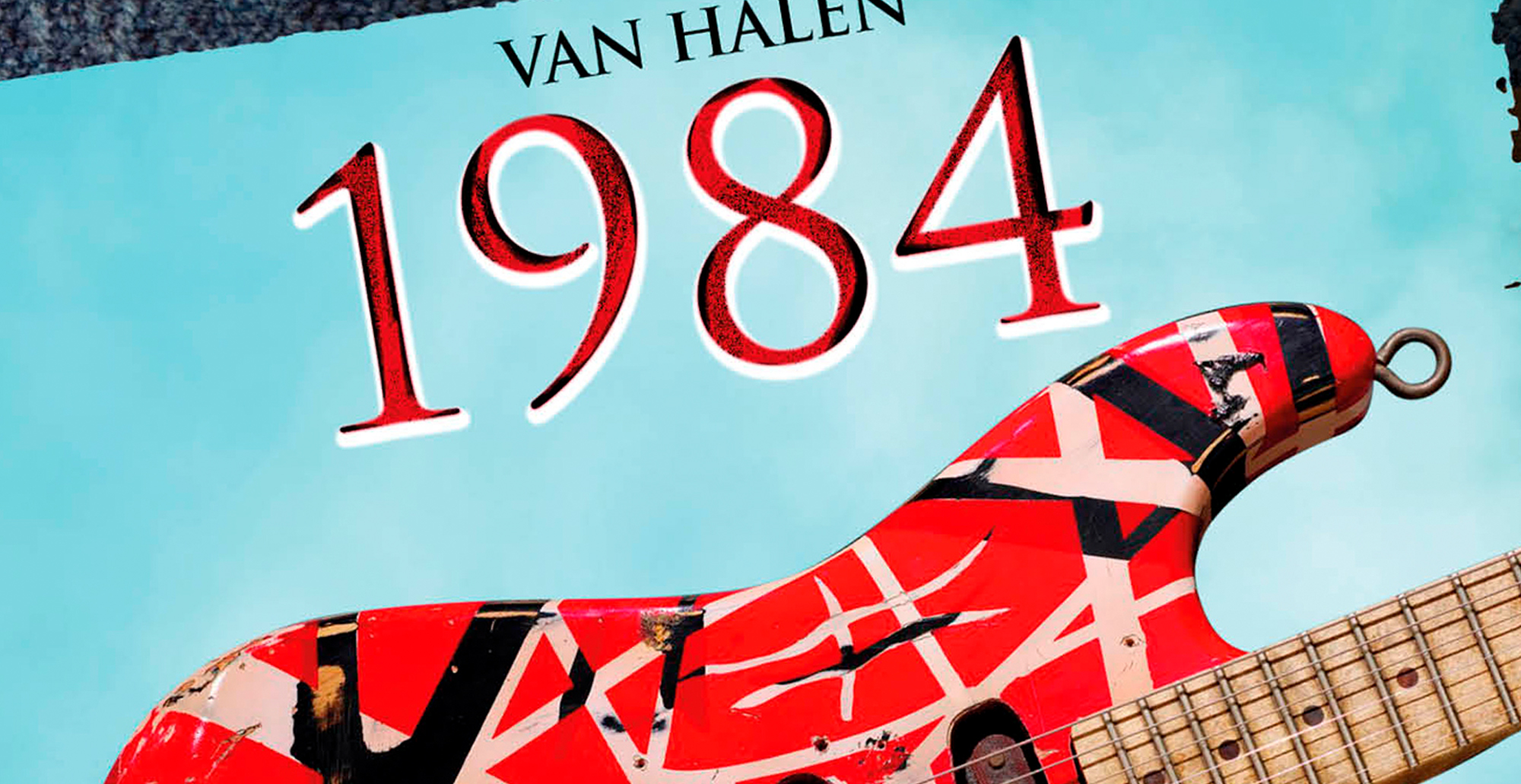
Explore Van Halen’s 1984 with Jamie Humphries at Lick Library. Learn synth-driven rock riffs, solos and iconic guitar techniques.
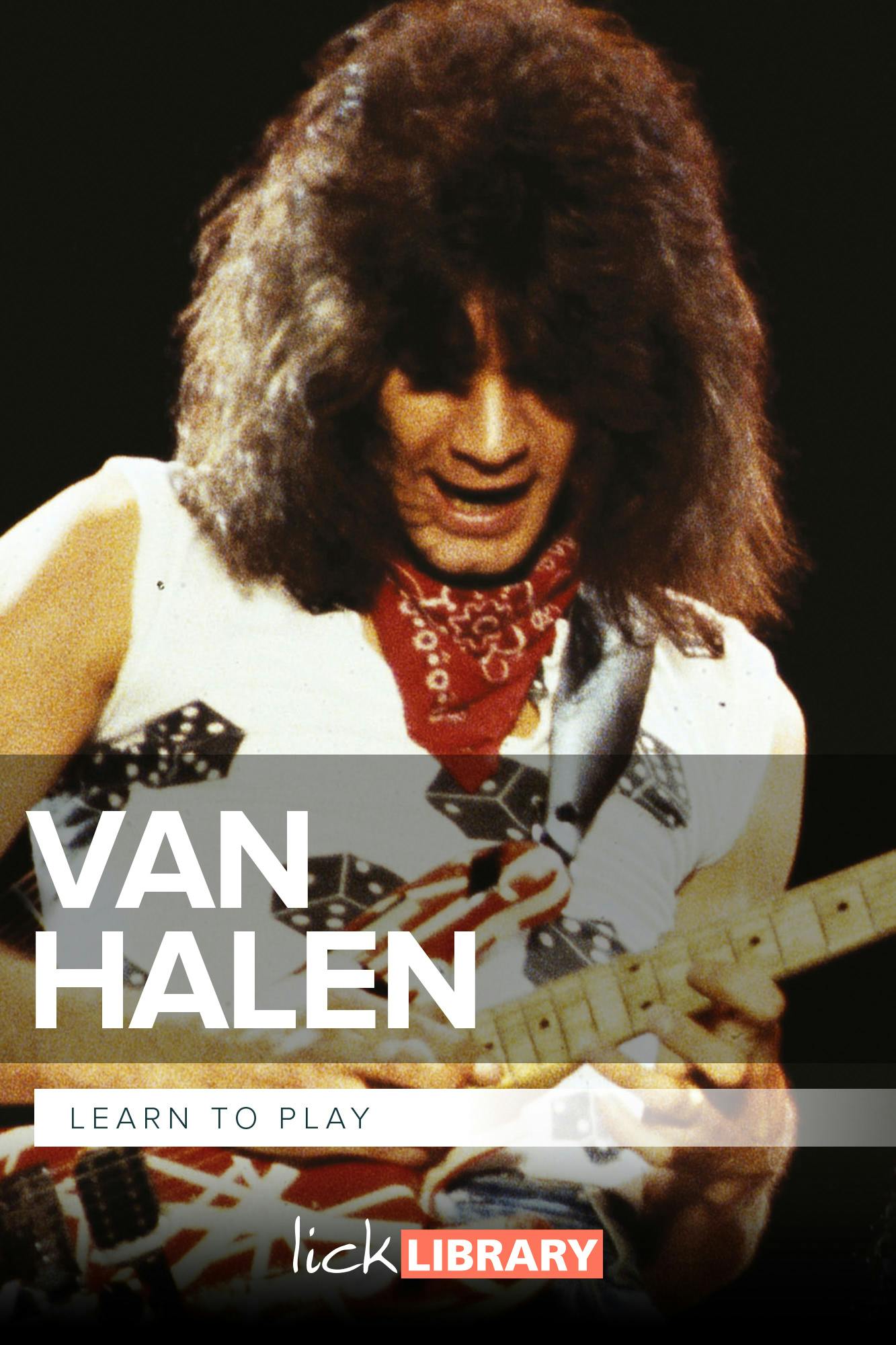
Learn to play in the style of Van Halen with Jamie Humphries at Lick Library. Explore riffs, solos and iconic rock techniques.

Study AC/DC’s Powerage album with Danny Gill at Lick Library. Learn iconic riffs, rhythms and lead parts that define classic hard rock guitar tone and feel. now

Jam with George Lynch style riffs and solos with Danny Gill at Lick Library. Explore aggressive phrasing and classic 80s hard rock techniques.

Learn to play in the style of Whitesnake with Danny Gill at Lick Library. Explore classic 80s rock riffs, solos and guitar techniques.

Master Eddie Van Halen’s iconic rock guitar style with Lick Library and Jamie Humphries. Learn riffs, solos, and techniques from the groundbreaking Van Halen I album.

Study Van Halen II with Sam Bell at Lick Library. Learn explosive riffs, solos and rhythm guitar techniques from this early rock classic.

Learn to play in the style of Ozzy Osbourne with Danny Gill at Lick Library. Explore classic metal riffs, solos and iconic guitar techniques.
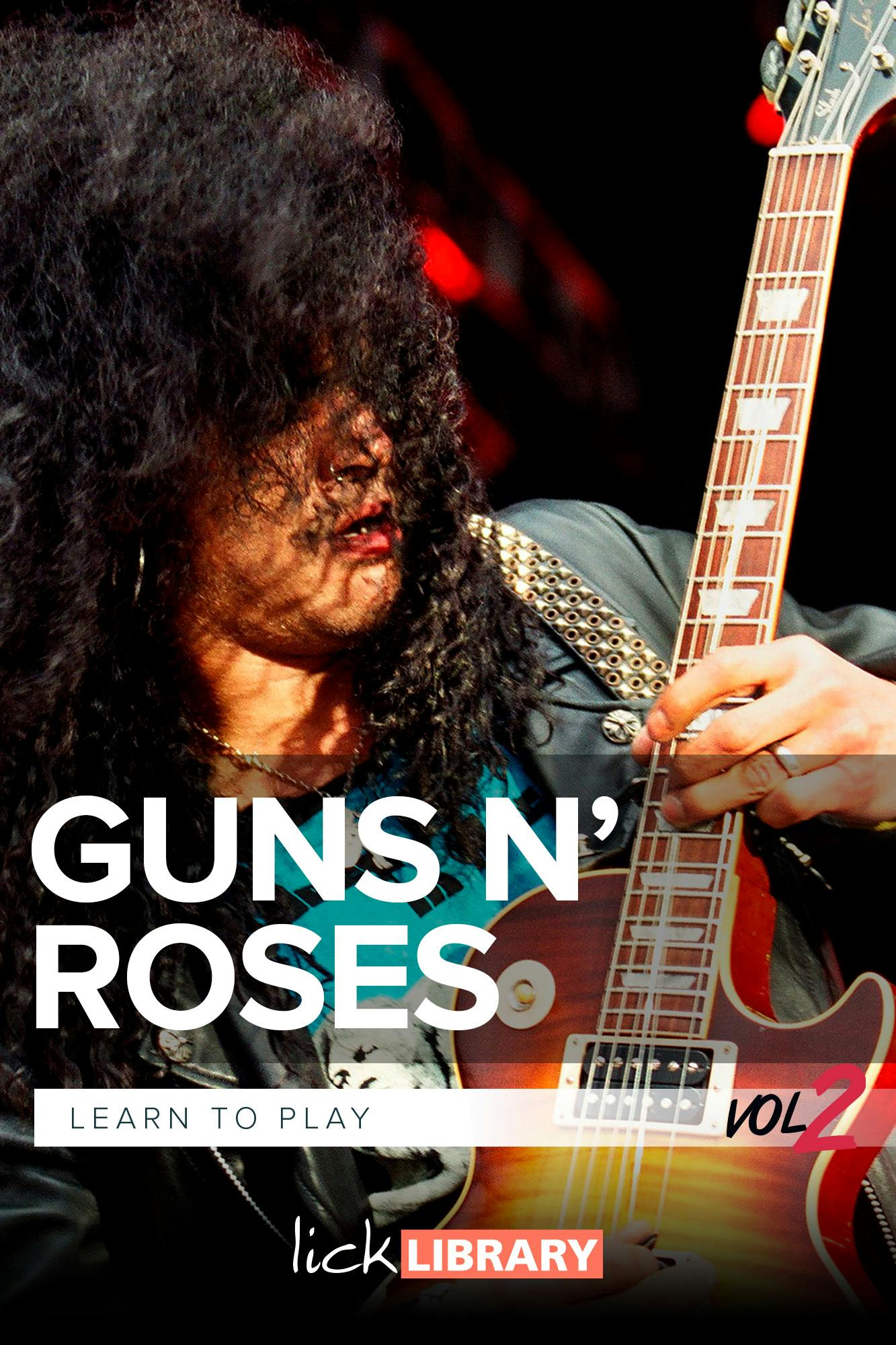
Learn Guns N’ Roses style guitar with Danny Gill at Lick Library. Explore riffs, phrasing and hard rock lead guitar techniques inspired by Slash.

Explore Eat ’Em And Smile with Sam Bell at Lick Library. Learn flashy riffs, virtuosic solos and 80s rock guitar techniques from this album.
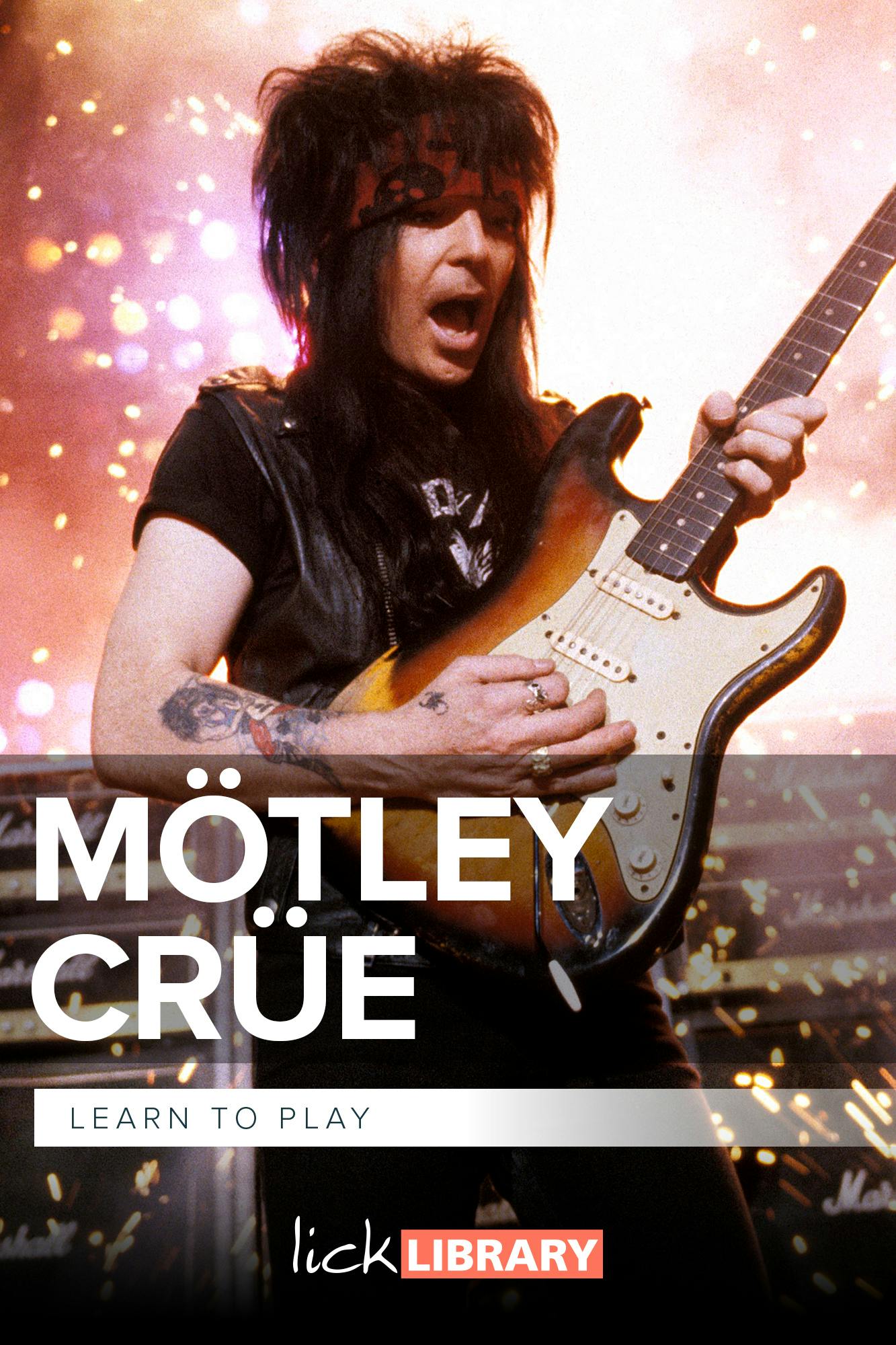
Learn to play in the style of Mötley Crüe with Danny Gill at Lick Library. Explore 80s rock riffs, solos and hard rock guitar techniques.
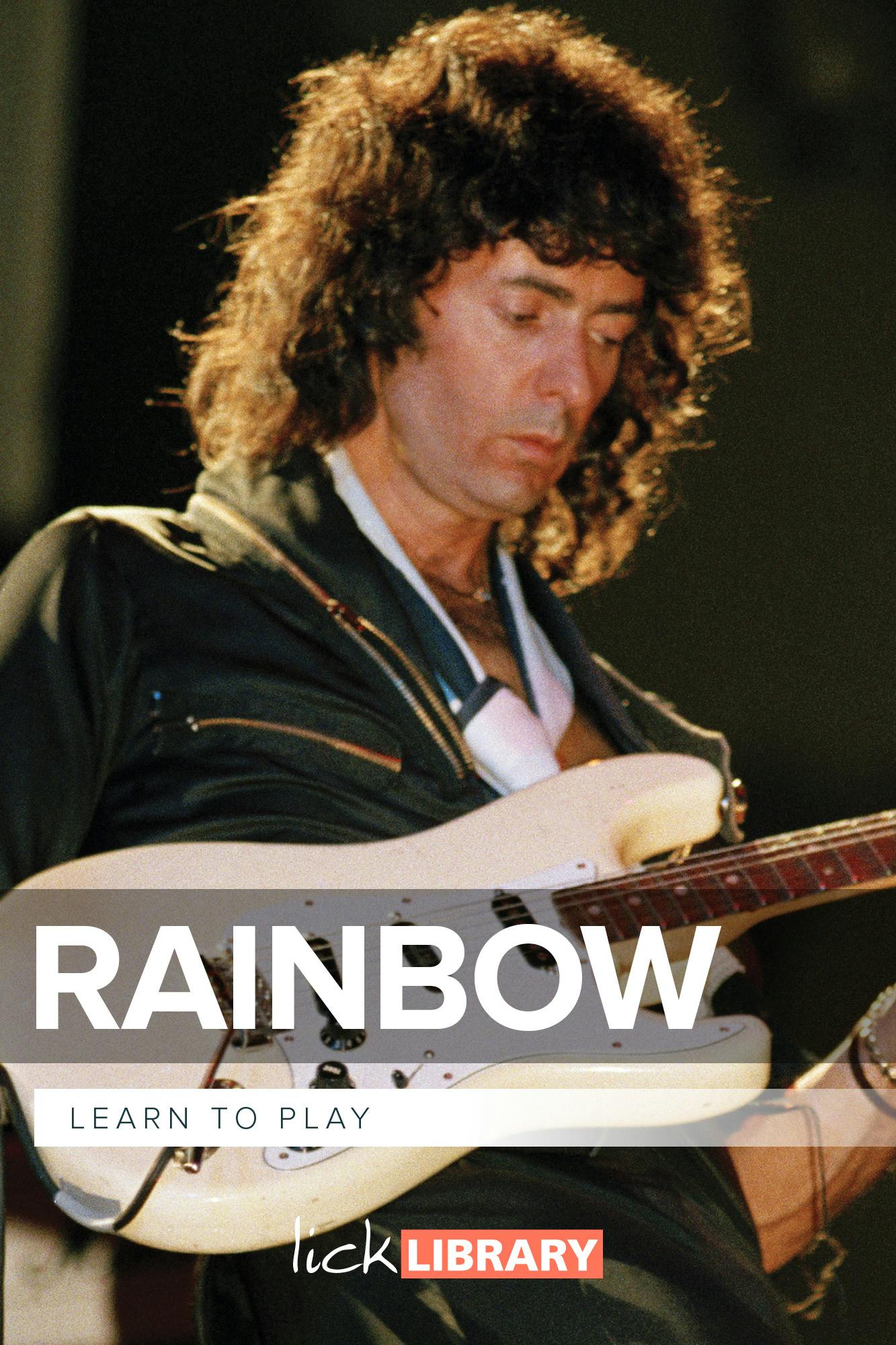
Learn to play in the style of Rainbow with Danny Gill at Lick Library. Explore neoclassical riffs, phrasing and classic rock techniques.
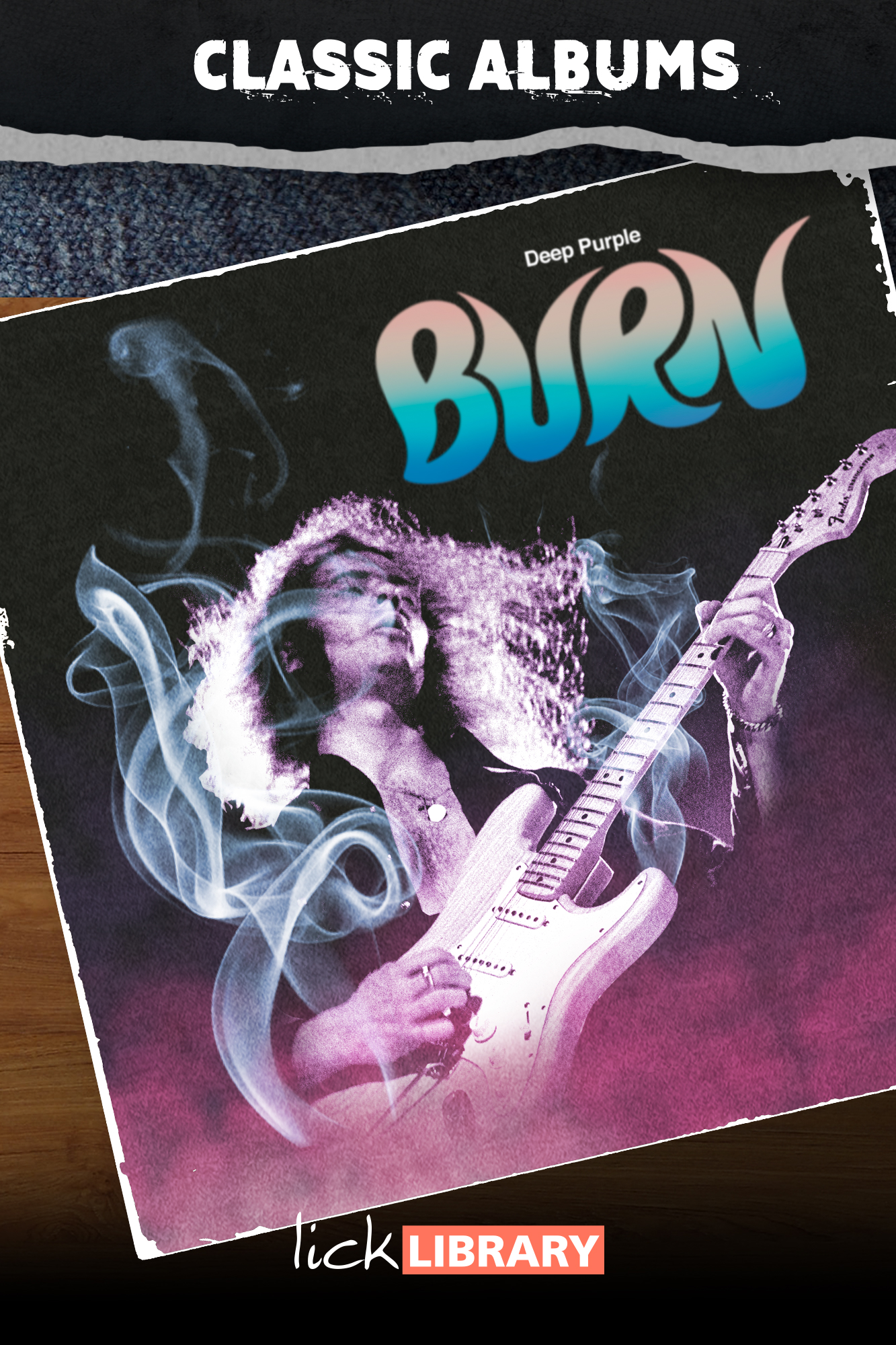
Study Burn with Danny Gill at Lick Library. Learn powerful riffs, solos and hard rock guitar techniques from this classic Deep Purple era album.

Learn Michael Schenker and UFO style guitar with Dave Kilminster at Lick Library. Explore melodic phrasing and classic hard rock techniques.

Study Let There Be Rock with Danny Gill at Lick Library. Learn driving riffs and hard rock guitar techniques inspired by AC/DC.
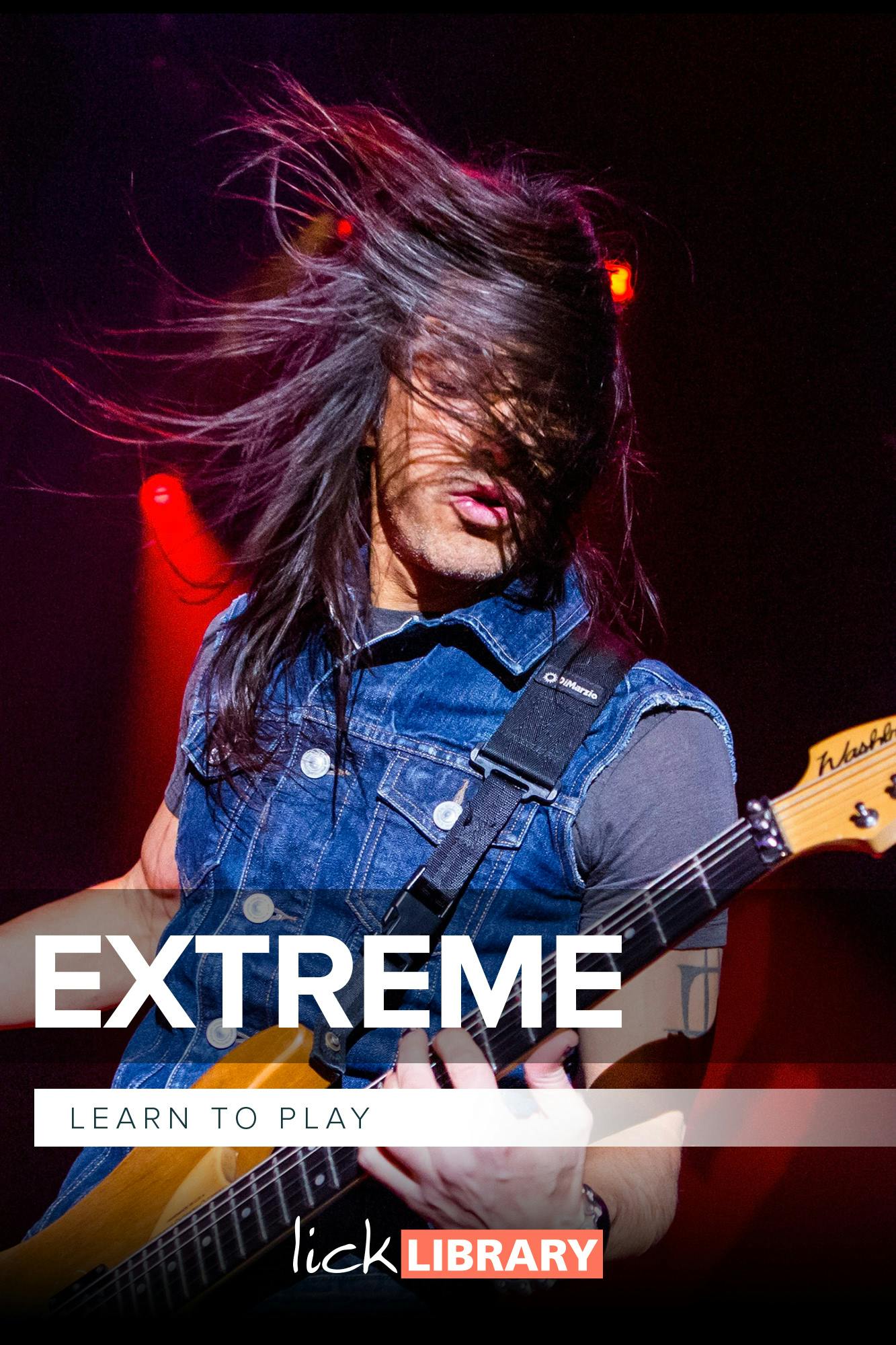
Learn to play in the style of Extreme with George Marios at Lick Library. Study funk influenced riffs, advanced techniques and expressive rock solos.
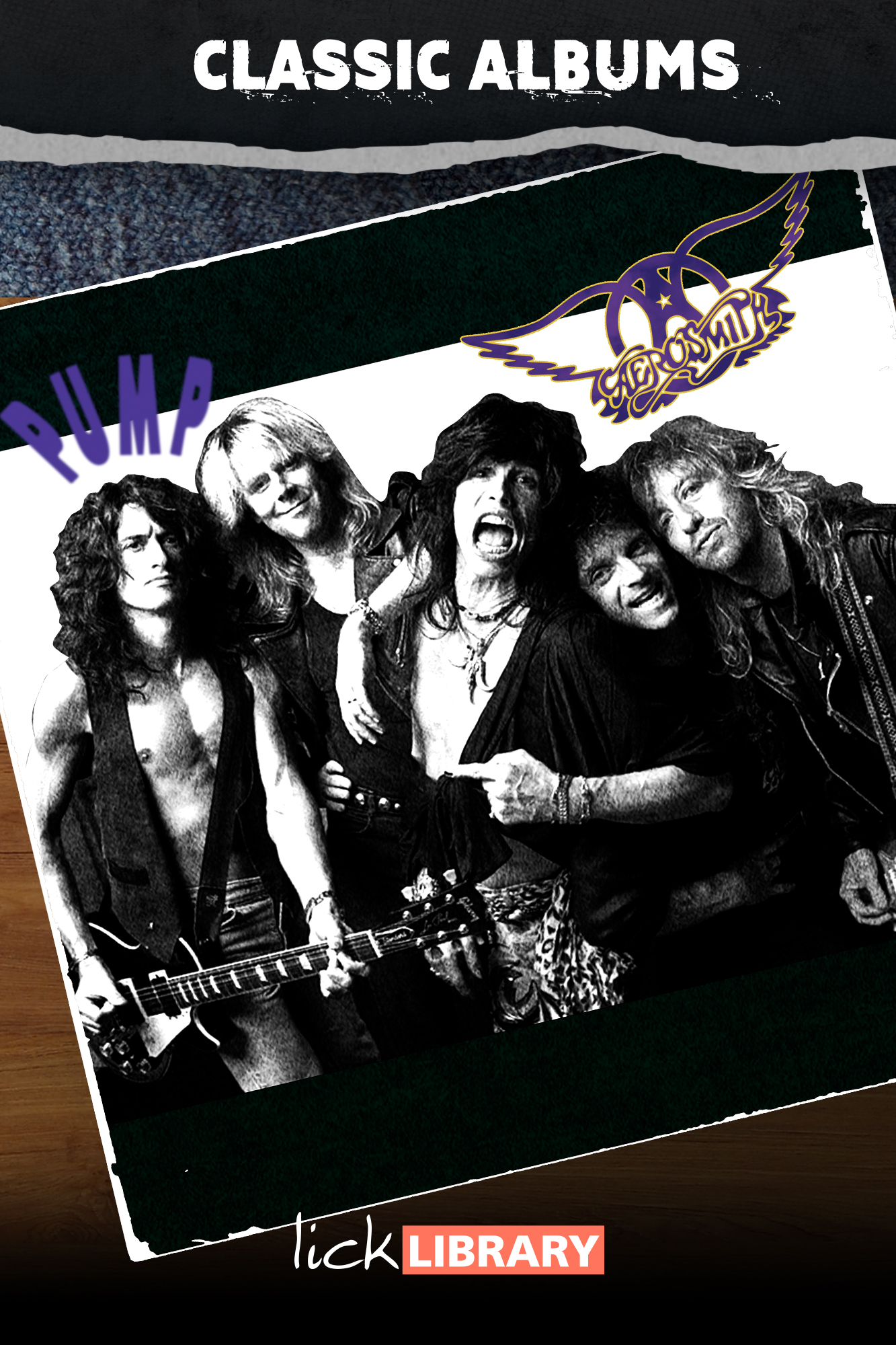
Explore Aerosmith’s Pump with Sam Bell at Lick Library. Learn hard rock riffs, bluesy solos and polished tones from this iconic album.