

Learn to play Tears In The Rain - Guitar Lesson
Guitar lesson for this song by Joe Satriani
Tears In The Rain – Joe Satriani
Joe Satriani’s “Tears In The Rain” stands as one of his most intimate and expressive compositions—an acoustic miniature filled with nuance, fluid motion, and emotional depth. For guitarists, it is a masterclass in melodic sensitivity, refined touch, and clean execution. In this LickLibrary note-for-note lesson, you’ll learn how to play every detail of this beautifully understated piece, while developing the techniques that make it such a standout moment in Satriani’s catalogue.
This detailed breakdown gives players the clarity they need to approach Satch’s delicate acoustic phrasing with confidence. The lesson explores tone production, articulation, and left- and right-hand control, helping you recreate the piece’s singing melodies and flowing movements while improving your ability to play expressively on both acoustic and electric guitar. Danny Gill breaks down this classic track in this exclusive Lick Library video tutorial.
About the Song and Its Guitar Style
“Tears In The Rain” is built on a foundation of open-voiced chords, melodic phrasing, natural sustain, and subtle fingerpicked patterns. Unlike Satriani’s high-octane electric instrumentals, this track conveys emotion through space, resonance, and touch rather than speed and technical flash. It requires precision, dynamic awareness, and focused control—qualities that make it an ideal study for guitarists wanting to strengthen the musicality behind their technique.
The combination of melodic lines interwoven with arpeggiated chord movement makes the piece a perfect vehicle for developing clarity, articulation, and expressive timing.
About the Guitarist: Joe Satriani
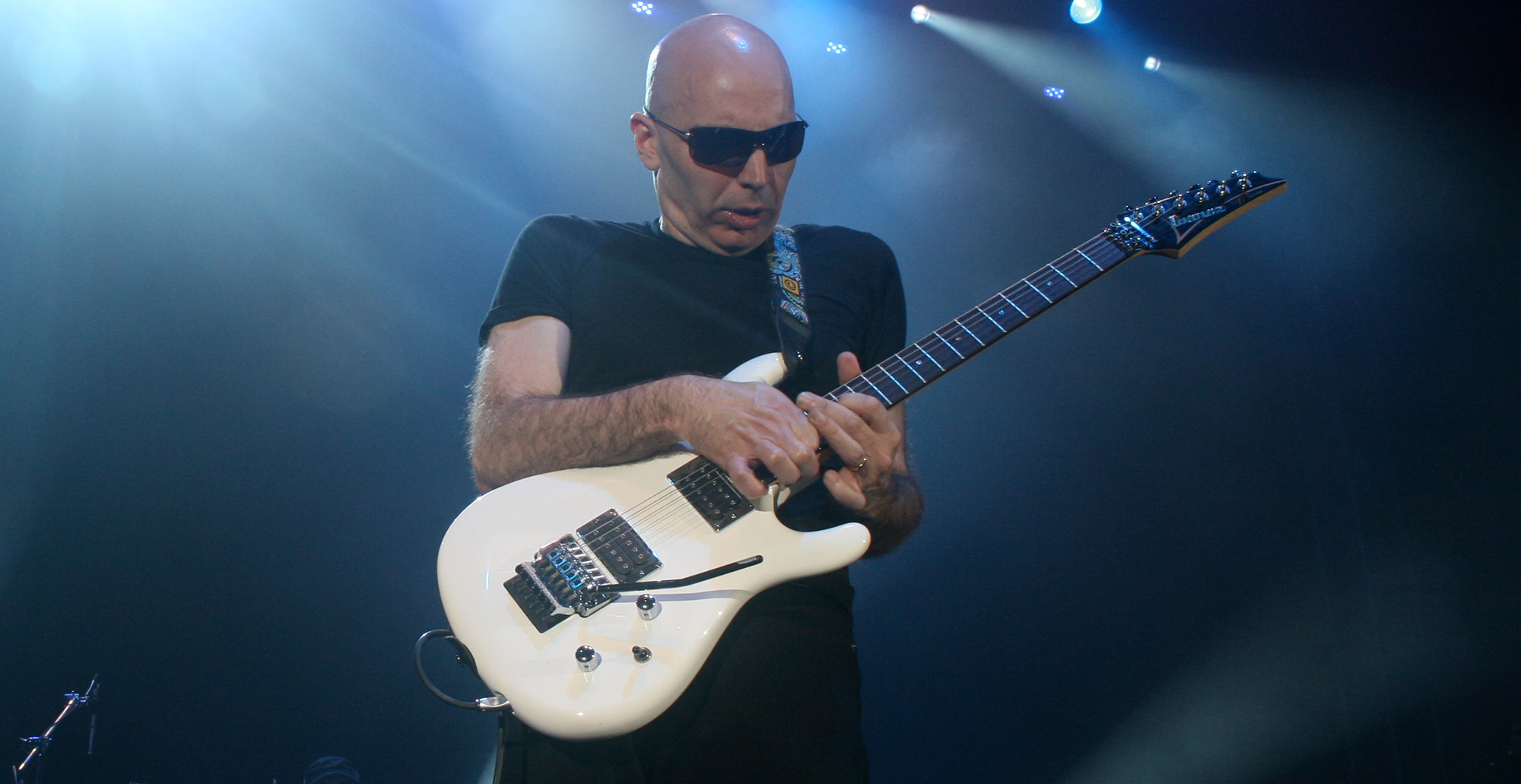
Joe Satriani has long been regarded as one of the most influential guitar players in instrumental rock. His blend of strong melody, harmonic imagination, and technical mastery continues to shape generations of guitarists. Although famous for his high-energy electric solos and expressive whammy-bar techniques, Satriani also showcases remarkable sensitivity in his acoustic compositions. Tracks like “Tears In The Rain” highlight his ability to communicate emotion with minimalism and precision, using subtle finger-style articulation and beautifully voiced chords. Studying this piece deepens your understanding of Satriani’s dynamic range and reinforces the idea that great guitar playing is as much about touch and intention as it is about technical skill.
Technique Focus
Below are the techniques emphasised throughout the lesson, each explained in a short dedicated paragraph showing how they benefit the guitarist.
Finger-Picking
The piece relies heavily on right-hand finger-style, providing a perfect opportunity to develop accuracy, independence, and control. Practising finger-picking in this context strengthens your ability to articulate chords cleanly while allowing the melody to sing naturally above the accompaniment. It also helps cultivate dynamic sensitivity, giving your playing a more expressive and polished character.
Arpeggios
Arpeggiated patterns form much of the musical structure in “Tears In The Rain.” Working through these broken-chord movements improves fretboard awareness and left-hand coordination while enhancing your ability to create fluid, connected harmonic textures. Mastering arpeggios in an acoustic setting reinforces clarity and note separation—crucial skills for any style.
Slides
Slides provide elegant transitions between chord tones and melodic phrases. They help create a seamless, flowing feel that captures the emotive quality of Satriani’s playing. Practising slides in this context refines your legato phrasing, improves finger pressure control, and teaches you how to move efficiently across the fretboard.
Hammer-Ons & Pull-Offs
These legato techniques add smoothness to melodic lines and help articulate quieter passages without relying heavily on picking. Developing clean hammer-ons and pull-offs strengthens finger independence, enhances left-hand dexterity, and allows you to play more expressively at softer dynamics—essential for an acoustic piece like this.
Chord Progressions
The song’s harmony uses open-voiced chords and extended voicings that sound rich without being overly complex. Studying these shapes deepens your understanding of chord construction and voice-leading, giving you more options when composing or arranging your own music. It also helps build confidence when playing harmonically sophisticated acoustic material.
Sustain & Touch
Although not a “technique” in the flashy sense, the sustain and soft touch required in “Tears In The Rain” are vital to capturing its mood. Developing these qualities improves tone production, strengthens control over both hands, and enhances musical maturity. Learning to keep notes ringing clearly across arpeggiated movements is a highly transferable skill for all styles.
Barre Chords
Some of the voicings incorporate partial and full barre shapes, demanding strong left-hand technique and efficient hand positioning. Practising these chords helps improve stamina, pressure control, and the ability to maintain clarity in finger-style playing.
Conclusion
This LickLibrary note-for-note lesson gives guitarists a complete and clear path to mastering one of Joe Satriani’s most expressive acoustic pieces. By focusing on refined touch, chordal movement, and melodic phrasing, you’ll not only learn to play “Tears In The Rain” authentically—you’ll also develop technical and musical skills that transfer across every area of your guitar playing.
Techniques Used in This Lesson
Other Joe Satriani Guitar Lessons




Related Guitar Lessons