Learn to play Smokin' In The Boys Room - Guitar Lesson
Guitar lesson for this song by Motley Crue
Smokin' in the Boys Room
If you're looking to learn the iconic "Smokin' in the Boys Room" by Mötley Crüe note-for-note, this Licklibrary.com guitar lesson provides you with all the tools you need. This classic rock anthem showcases a range of techniques that are both essential for guitarists and a fun way to sharpen your skills. In this lesson, we'll break down each section of the song, focusing on specific guitar techniques, how to master them, and why they’re beneficial to your overall guitar playing. Whether you're a fan of Mötley Crüe or simply looking to improve your rock guitar techniques, this lesson has something for every guitarist. Danny Gill breaks down this classic 80s rocker in this exclusive Lick Library video tutorial.
The Guitarist Behind the Song: Mick Mars
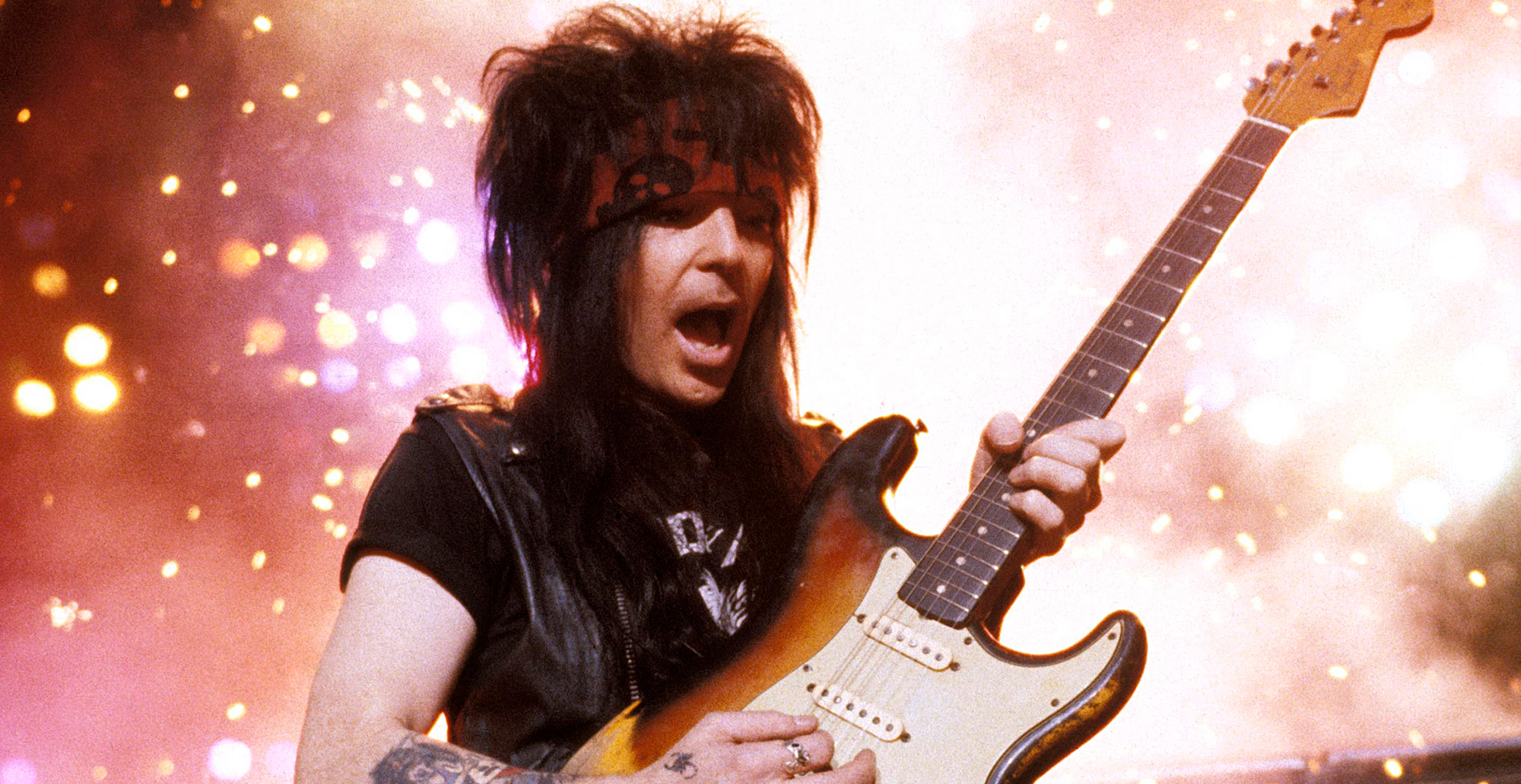
The lead guitarist on "Smokin' in the Boys Room" is Mick Mars, the legendary guitar player for Mötley Crüe. Mars is known for his raw, bluesy playing style mixed with heavy metal elements, making his approach to the guitar both unique and influential. Throughout his career, Mick Mars has influenced countless guitarists by blending traditional rock 'n' roll techniques with innovative tones and effects. His gritty guitar work on "Smokin' in the Boys Room" serves as a perfect example of how his playing is both technically proficient and emotionally driven, leaving a lasting impact on the hard rock and heavy metal guitar scene.
Key Techniques Used in "Smokin' in the Boys Room"
Power Chords
Power chords are a staple in rock music, and "Smokin' in the Boys Room" makes heavy use of them to create that driving, aggressive sound. Power chords are typically played using just two or three strings, focusing on the root and fifth notes, making them easier to play but still providing a full, thick tone.
Why Learn This? Mastering power chords gives you the foundation for countless rock and metal songs. It's a simple yet powerful technique that builds hand strength and improves your rhythm playing.
Palm Muting
Palm muting is used in the song to create tight, rhythmic sections that provide contrast to the open, ringing power chords. This technique involves resting the side of your picking hand lightly on the strings near the bridge to produce a muted, percussive sound.
Why Learn This? Palm muting is essential for adding dynamics to your playing. It tightens up your riffs and helps you create tension and release in your music.
Slides
Guitar slides are used frequently throughout the song to add a bluesy, expressive feel. Sliding into or out of notes adds fluidity to the music and can be used to transition between power chords or lead lines.
Why Learn This? Slides allow for smoother transitions between notes and can give your playing more expression. This technique is crucial for lead guitarists who want to play more melodically.
String Bending
Mick Mars uses string bending to bring more emotion and attitude to his solos. String bending involves pushing or pulling the string to raise the pitch, often by a full or half step.
Why Learn This? Learning how to properly bend strings not only improves your technique but also allows you to add a personal touch to your solos. It strengthens your fingers and improves control over intonation.
Bluesy Bends
Incorporating bluesy bends into this song adds a sense of tension and release, which is key in rock and blues soloing. These bends usually involve bending a note and returning it to its original pitch or bending to a non-standard interval to create that "bluesy" feel.
Why Learn This? Mastering bluesy bends will enhance your expressiveness and allow you to play with more emotion, especially when soloing.
Hammer-Ons and Pull-Offs
Hammer-ons and pull-offs are used in the main riff and solo to create smooth, flowing phrases. These techniques involve using your fretting hand to "hammer" or "pull" off the notes without re-picking them.
Why Learn This? Hammer-ons and pull-offs improve finger strength and speed while enabling you to play more legato (smoothly connected) phrases.
Vibrato
Mick Mars adds vibrato to the ends of his bends and held notes, which involves subtly oscillating the pitch of a note for expressive effect. This technique is key for adding personality and feeling to your playing.
Why Learn This? Vibrato is a fundamental expressive tool for any guitarist. It enhances your sustain and makes your notes sound more vocal-like and dynamic.
Alternate Picking
To tackle the fast-paced riffs in "Smokin' in the Boys Room," alternate picking (down-up picking) is essential. This technique allows for faster and more precise picking while maintaining control over the rhythm.
Why Learn This? Alternate picking is the backbone of speed and accuracy in rock and metal guitar. It improves your overall picking efficiency and allows you to play faster passages with ease.
Pinched Harmonics
Mick Mars often throws in pinched harmonics to add a screaming, high-pitched accent to his playing. This technique is created by lightly grazing the string with the thumb of the picking hand immediately after the pick hits the string.
Why Learn This? Pinched harmonics give your playing an aggressive, squealing tone that is perfect for rock and metal solos. It's a fun way to add personality and flair to your lead work.
Techniques Used in This Lesson
- Vibrato
- Alternate Picking
- String Bending
- Bluesy Bends
- Power Chords
- Palm Muting
- Slides
- Hammer-Ons
- Pull-Offs
- Pinched Harmonics
By mastering these techniques in "Smokin' in the Boys Room," you'll not only learn an iconic rock song but also improve your technical abilities as a guitarist. Each technique is foundational to rock guitar playing and will serve you well as you tackle other classic rock and metal songs.
Other Motley Crue Guitar Lessons

Related Guitar Lessons