Learn to play My Plague - Guitar Lesson
Guitar lesson for this song by Slipknot
My Plague – Slipknot
In this LickLibrary guitar lesson, Richard Shaw breaks down “My Plague” by Slipknot in precise, note-for-note detail, giving you a deep understanding of the riffs, rhythms, and tones that define one of the band’s most recognisable tracks. Known for its aggressive energy and tightly locked guitar work, My Plague is a masterclass in modern metal rhythm playing, combining percussive precision with raw power and controlled chaos.
In this lesson, you’ll learn how the guitars interlock to drive the song forward, how the riffs are constructed around heavy groove-based ideas, and how subtle performance details make the parts hit with maximum impact. Every section is explored in depth so you can confidently recreate the original parts while developing core metal guitar skills that transfer directly to your own playing.
Song Overview and Guitar Style
My Plague sits firmly in Slipknot’s early-2000s era of groove-driven metal, built around down-tuned guitars, punchy rhythms, and relentless intensity. Rather than relying on flashy lead playing, the song focuses on massive rhythm parts, tight synchronisation, and an unwavering sense of pulse. The guitars are designed to function almost like another percussion instrument, locking in tightly with the drums to create a powerful, machine-like feel.
This lesson walks you through each riff slowly and clearly, helping you understand not just what to play, but how to play it so it sounds authentic. Attention is paid to picking direction, muting control, and articulation so the riffs stay tight even at full tempo.
Key Guitar Techniques Covered
Palm Muting
Palm muting is central to the sound of My Plague, giving the riffs their tight, aggressive punch. In this lesson, you’ll learn how to control the pressure and placement of your picking hand to achieve a consistent, heavy tone. Mastering this technique improves rhythmic accuracy and helps you develop the controlled aggression required for modern metal playing.
Power Chords
The song is built almost entirely around power chords, used in both static and moving shapes. You’ll learn how to fret and transition between these shapes cleanly while maintaining clarity under high gain. Developing solid power chord technique strengthens your left-hand coordination and ensures your rhythm playing sounds confident and authoritative.
Alternate Picking
Fast, repeated riffs in My Plague rely on efficient alternate picking to maintain stamina and precision. This lesson focuses on keeping your picking motion economical and even, allowing you to play extended passages without fatigue. Improving alternate picking directly enhances speed, consistency, and overall timing.
Slides
Slides are used to connect riffs smoothly and add momentum between chord shapes. This lesson shows you how to control slide speed and pressure so notes remain clear and powerful. Slides improve fretboard navigation and help your playing sound more fluid.
Syncopated Rhythms
Much of My Plague relies on syncopation, with accents falling off the expected beats. This lesson helps you internalise these rhythmic shifts, strengthening your sense of groove and improving your ability to play tightly with a drummer.
Altered Tuning
The song uses an altered, down-tuned setup that contributes heavily to its dark, aggressive tone. You’ll learn how this tuning affects string tension, riff shapes, and note choices. Understanding altered tunings expands your tonal palette and prepares you for a wide range of modern metal songs.
The Guitarists and Their Influence
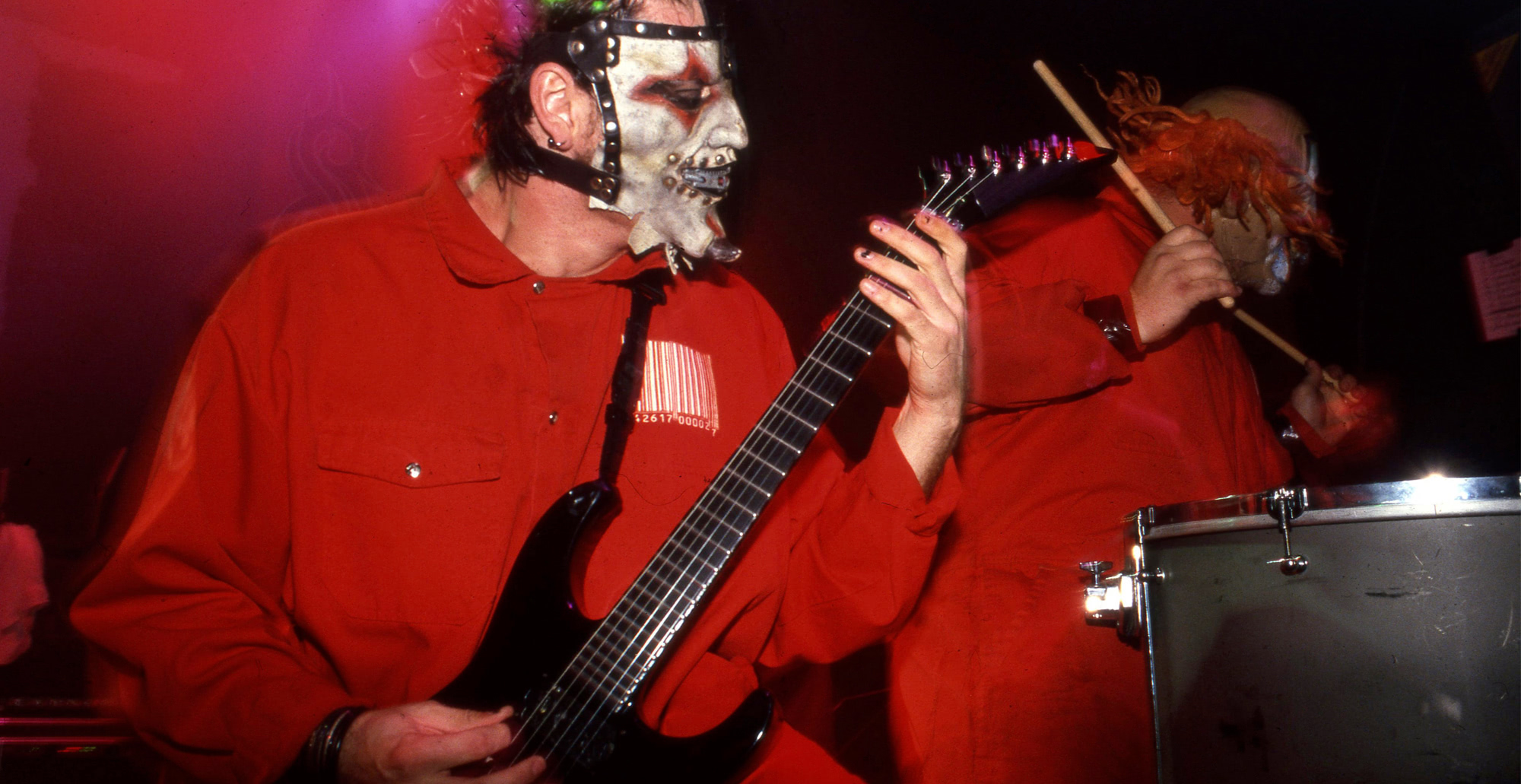
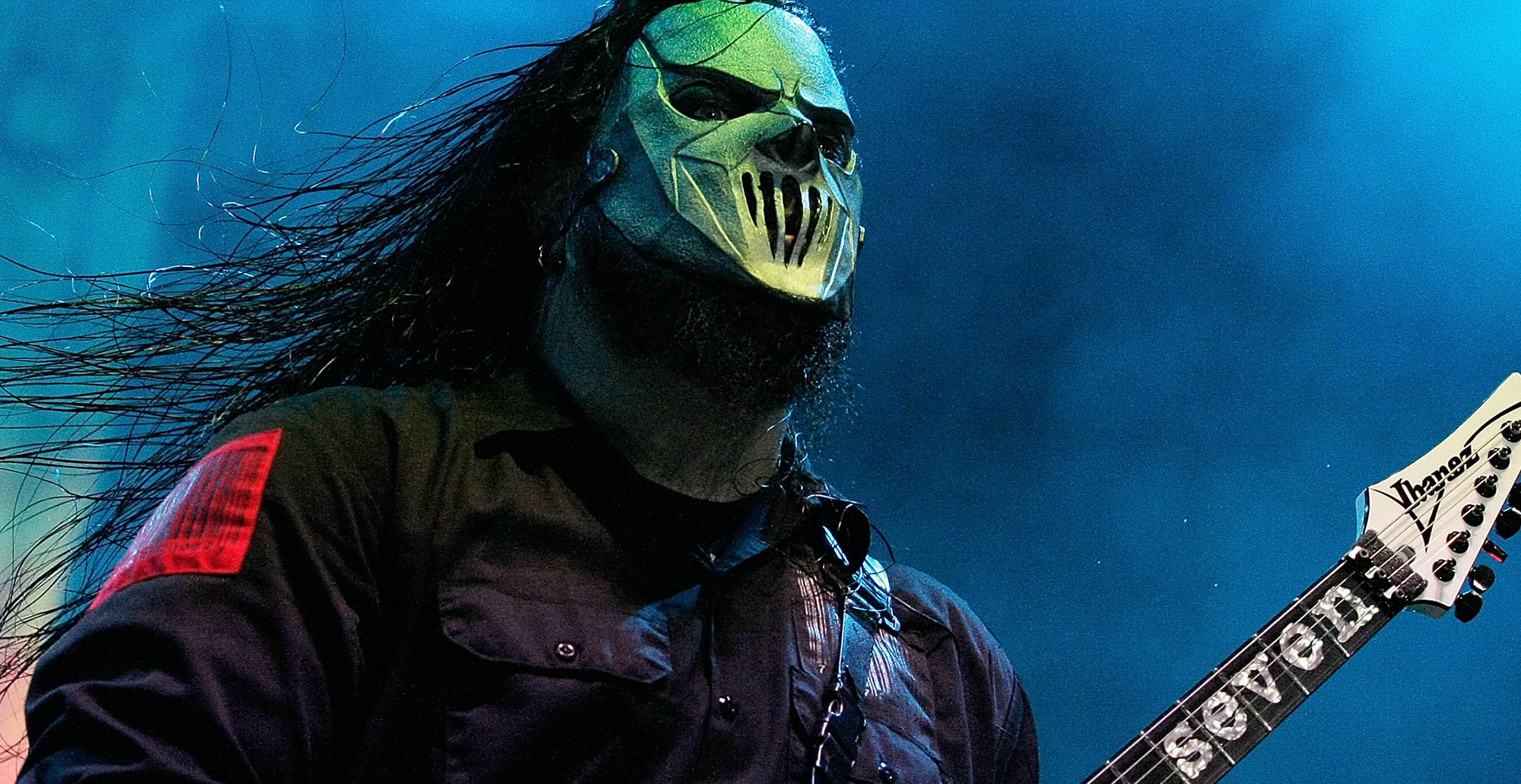
My Plague features the unmistakable dual-guitar attack of Jim Root and Mick Thomson. Together, they helped define Slipknot’s crushing guitar sound, blending tight rhythm work with industrial-influenced precision. Jim Root is known for his clarity, groove awareness, and songwriting sensibility, while Mick Thomson brings a darker, more aggressive edge with razor-sharp picking and brutal tone. Their combined approach shaped a generation of modern metal guitarists and continues to influence heavy music today.
Guitar Techniques Used in This Lesson
Other Slipknot Guitar Lessons
Related Guitar Lessons