Learn to play I Wanna Rock - Guitar Lesson
Guitar lesson for this song by Twisted Sister
I Wanna Rock by Twisted Sister
Few songs capture the rebellious spirit and larger-than-life attitude of 1980s hard rock quite like I Wanna Rock by Twisted Sister. Released in 1984 from the band's multi-platinum album Stay Hungry, this anthem became one of the defining tracks of the era. Driven by huge riffs, memorable hooks, and a standout guitar performance, I Wanna Rock remains a favourite among guitar players looking to explore the essence of classic '80s metal and hard rock.
In this comprehensive note-for-note guitar lesson, Danny Gill teaches you every riff, rhythm part, and lead guitar phrase exactly as they were recorded. This lesson breaks down the techniques and stylistic approaches that make the song such an enduring favourite, helping you develop the skills needed to confidently tackle classic hard rock repertoire.
The Main Riff and Rhythm Guitar Work
The opening riff instantly announces the song with authority. Built around powerful chord movements and tight rhythmic execution, the rhythm guitar parts form the backbone of the track.
You'll learn how to lock into the groove while maintaining clarity and aggression in your picking hand. Attention is paid to articulation, timing, and dynamics, allowing you to recreate the punchy sound that defines the recording.
Power Chords
Power chords are fundamental to the sound of I Wanna Rock. The song relies heavily on these movable chord shapes to create its driving energy and unmistakable hard rock attitude.
Learning to play power chords effectively improves your fretboard awareness, strengthens your fretting hand, and develops the ability to shift confidently between positions. Mastering this technique provides an essential foundation for countless rock and metal songs.
Palm Muting
Palm muting plays a crucial role in controlling the dynamics of the rhythm parts. By subtly muting selected notes, the riffs gain additional punch and definition.
Developing this technique helps improve right-hand precision and teaches players how to create contrast within riffs. It's a vital skill that enhances groove and tightness across a huge range of rock styles.
Alternate Picking
Throughout the rhythm and lead sections, alternate picking ensures the parts remain articulate and rhythmically consistent.
Working on alternate picking increases picking efficiency, improves speed control, and builds synchronisation between both hands. These benefits translate directly into cleaner execution and greater confidence when approaching more demanding material.
String Bending
The lead guitar work features expressive string bends that add emotion and excitement to the melodic phrases.
Practising accurate bends develops your ear, helping you reach target pitches consistently while strengthening finger control. This expressive technique is one of the hallmarks of classic rock soloing.
Vibrato
A well-executed vibrato gives sustained notes personality and vocal-like expression. The solo sections use vibrato to add intensity and character to key moments.
Improving your vibrato helps create a more professional sound and allows you to inject individuality into your playing. It's one of the most important techniques for developing a distinctive voice on the instrument.
Slides
Slides are used to connect phrases smoothly and add fluidity to both rhythm and lead passages.
Learning slides encourages economical movement around the neck, improves positional awareness, and contributes to more natural phrasing. This simple yet effective technique adds sophistication to your playing.
Pull-Offs and Hammer-Ons
The lead sections incorporate legato phrasing through combinations of pull-offs and hammer-ons, allowing lines to flow effortlessly.
Developing these techniques improves finger strength and independence while helping players achieve smoother, faster passages with less picking effort. They remain essential tools for expressive solo construction.
The Guitarists Behind the Song
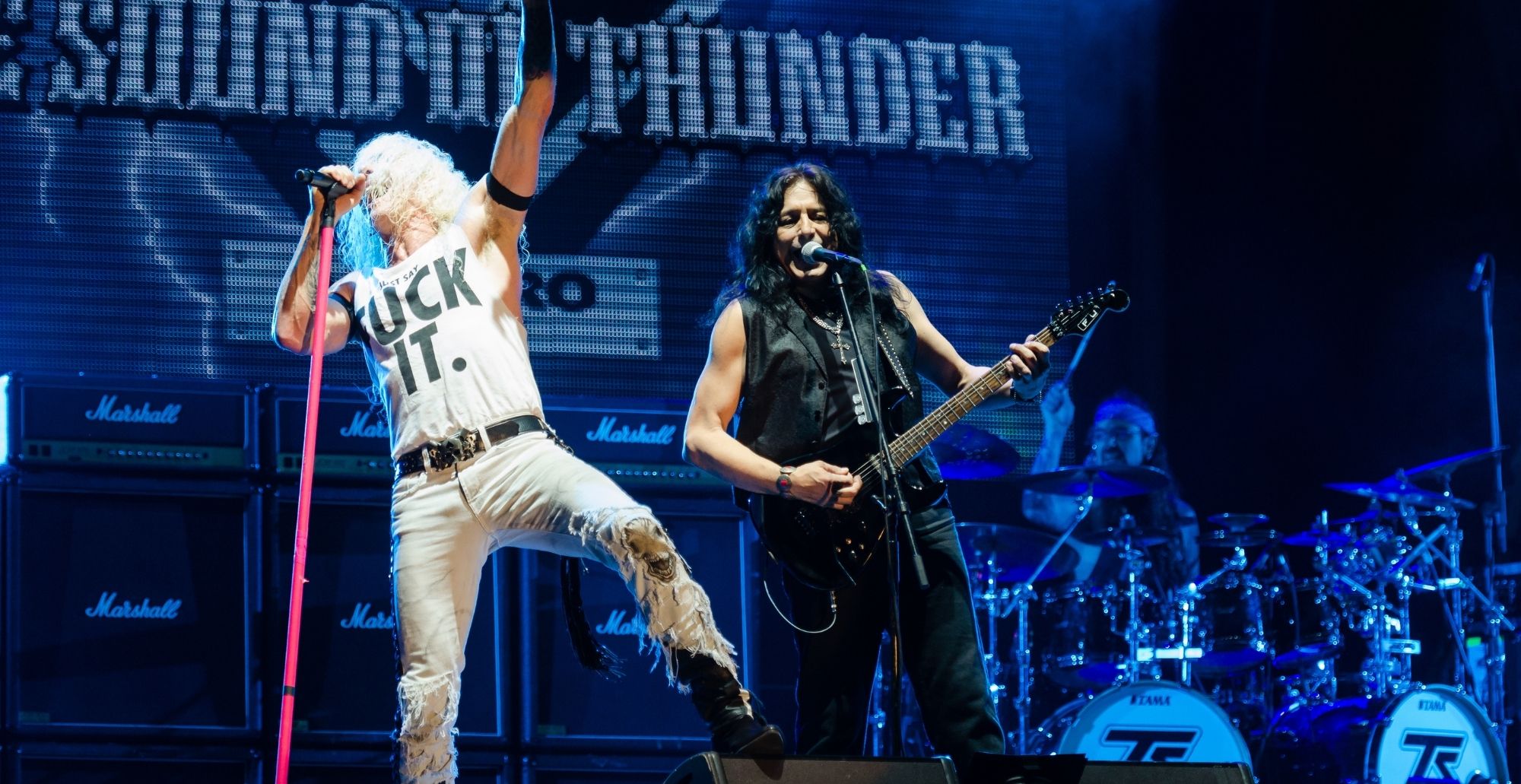
Twisted Sister's guitar attack was led by Jay Jay French and Eddie "Fingers" Ojeda, whose partnership helped define the band's unmistakable sound. French's aggressive rhythm approach provided the solid foundation upon which the songs were built, while Ojeda contributed melodic embellishments and lead work that elevated the arrangements.
Together, they embodied the perfect balance between power and accessibility that characterised much of the best hard rock of the 1980s. Their playing influenced countless guitarists by demonstrating that memorable riffs, strong hooks, and tasteful lead work often have greater impact than excessive technicality. The lessons found within I Wanna Rock remain just as valuable today for players seeking to capture that timeless arena rock energy.
Why Learn I Wanna Rock?
This lesson offers far more than simply learning another classic song. It provides insight into the construction of effective hard rock rhythm playing, teaches essential lead guitar techniques, and helps develop the confidence needed to perform iconic material accurately.
Whether you're an intermediate player looking to expand your classic rock vocabulary or an experienced guitarist wanting to revisit one of the genre's greatest anthems, this note-for-note lesson delivers an enjoyable and rewarding learning experience.
By mastering I Wanna Rock, you'll gain valuable technical skills, improve your musical expression, and deepen your appreciation for one of the defining guitar tracks of the 1980s.
Techniques Used
Other Twisted Sister Guitar Lessons
Related Guitar Lessons