
Learn to play Doctor Doctor - Guitar Lesson
Guitar lesson for this song by UFO
Doctor Doctor by UFO
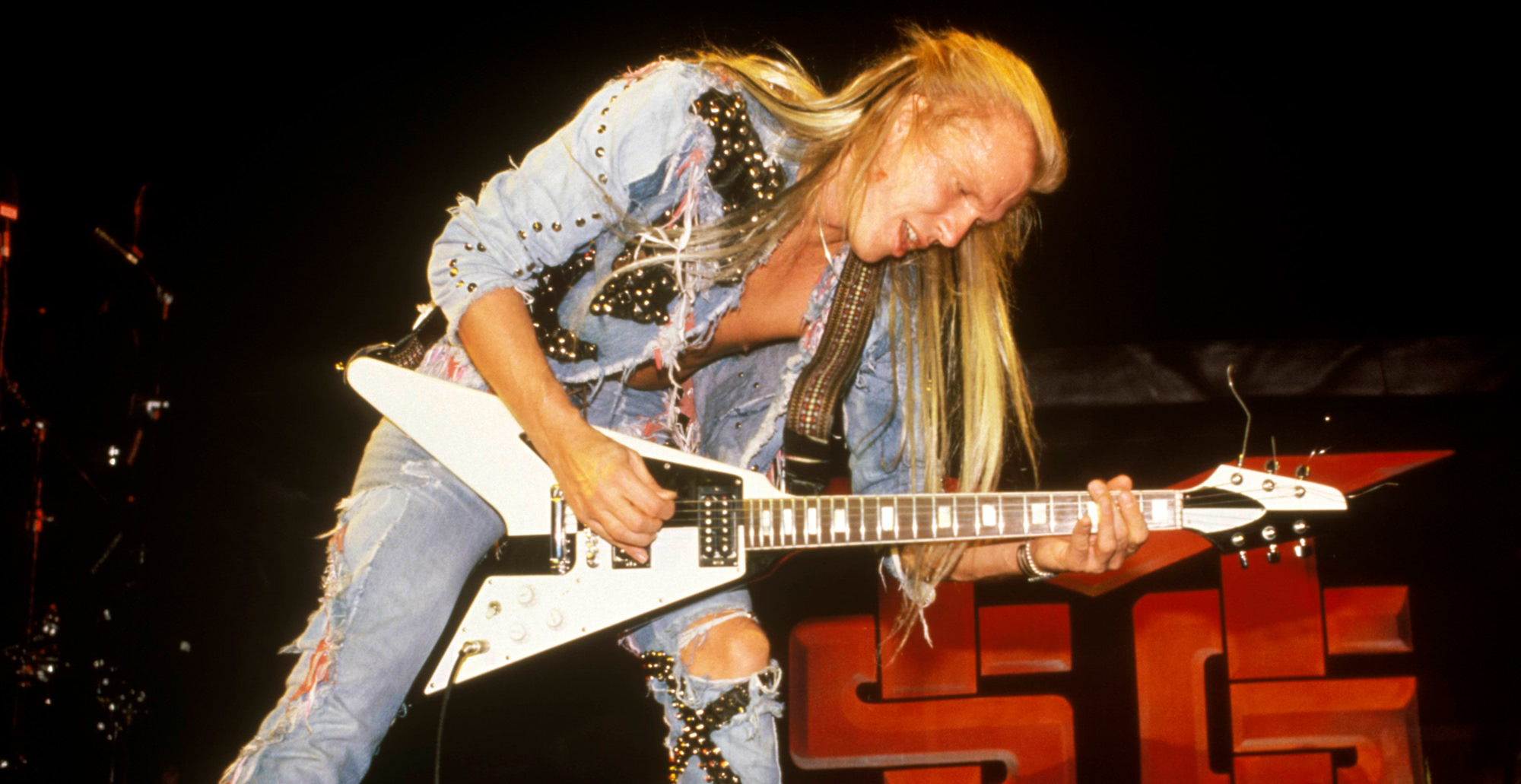
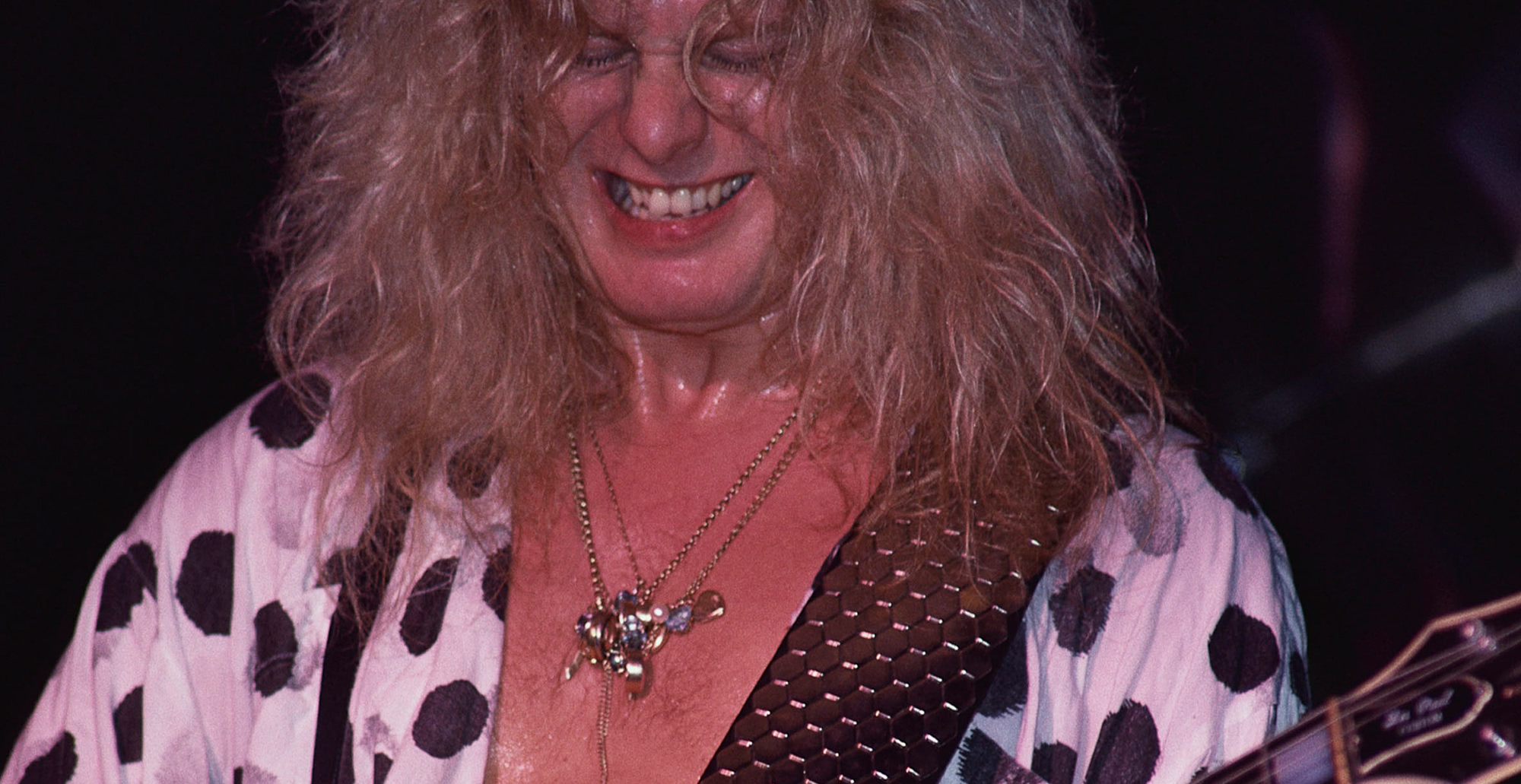
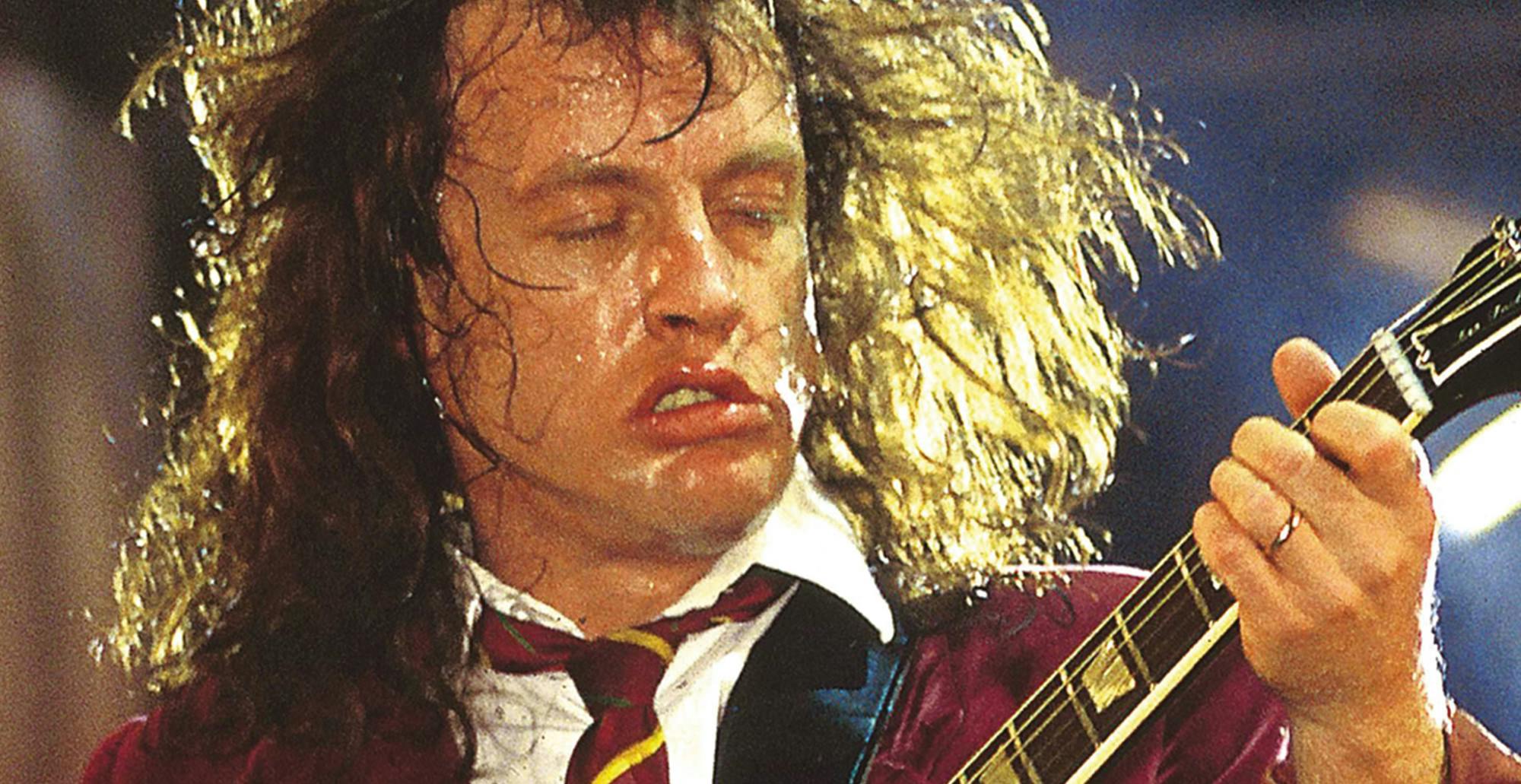
"Doctor Doctor" by UFO is a powerful rock anthem that captures the essence of classic hard rock guitar playing, making it an excellent song for guitarists to dive into to expand their skill set. Known for its dynamic riffs and melodic solos, this track was made iconic by the renowned guitar work of Michael Schenker, who played a pivotal role in shaping the band’s distinctive sound. Learning "Doctor Doctor" note-for-note through our lesson will not only give you the ability to play this rock classic but also provide you with a range of valuable guitar techniques that are foundational to rock and metal music. Dave Kilminster breaks down this classic track in this exclusive Lick Library video tutorial.
Michael Schenker’s Influence on Guitar Playing
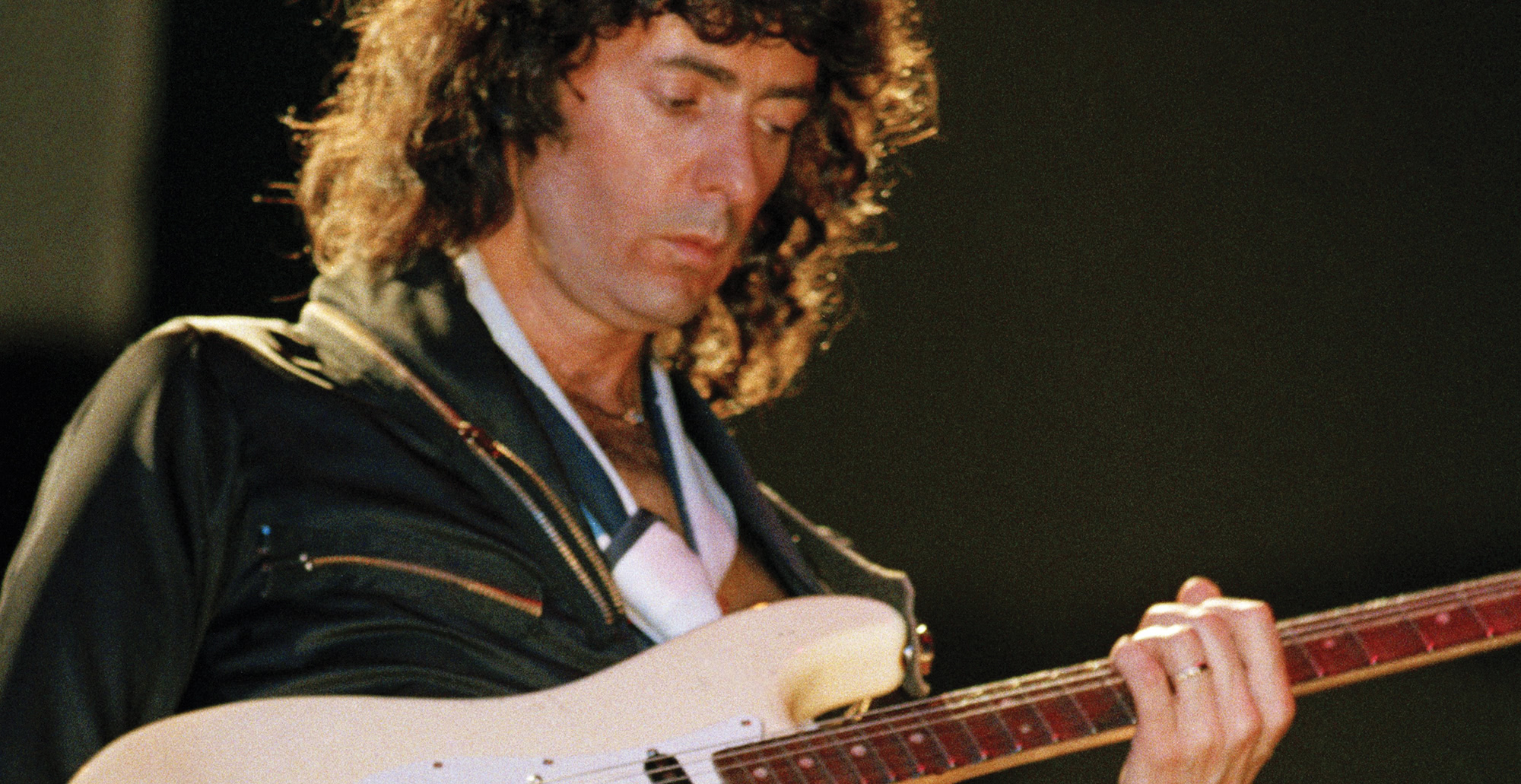
Michael Schenker, the lead guitarist on "Doctor Doctor," is celebrated as a significant force in hard rock and heavy metal guitar playing. Known for his precise phrasing, melodic sense, and innovative use of various guitar techniques, Schenker has inspired countless guitarists across genres. His style often combines aggressive riffing with smooth, melodic solos, making his playing as expressive as it is powerful. In "Doctor Doctor," Schenker's guitar work showcases several classic rock techniques and has served as a blueprint for many guitarists who followed in his footsteps, from Slash to Kirk Hammett. Schenker’s influence is particularly evident in the melodic sensibility and technical skill he brings to the track.
Key Guitar Techniques in "Doctor Doctor"
Power Chords
Power chords form the backbone of "Doctor Doctor" and provide the song with its heavy, driving rhythm. Learning power chords is essential for any rock guitarist, as they are fundamental in creating a thick and powerful sound. These chords are relatively easy to master but provide the muscle behind countless rock anthems. Practicing power chords also strengthens finger positioning and helps develop rhythm control, which is essential for tight and cohesive playing.
Vibrato
In Schenker’s lead parts, he uses vibrato extensively to add expression to sustained notes, making them sing and resonate. Vibrato is a technique where you vary the pitch of a note slightly by moving the string up and down, creating a vocal-like quality. Mastering vibrato enhances your ability to add emotion to your playing, giving even the simplest notes a sense of depth and personal style. This technique is essential for developing your unique voice on the guitar.
Alternate Picking
Alternate picking is a critical technique in the faster passages of "Doctor Doctor," particularly in the song's solo sections. It involves alternating between downstrokes and upstrokes, allowing for smoother, more efficient picking. Developing alternate picking helps you achieve speed and precision, which are crucial for clean, articulate playing in faster riffs and solos. This technique is also foundational for various other advanced picking styles.
String Bending
String bending is heavily used throughout the solos in "Doctor Doctor," adding a soaring, emotive quality to the notes. By bending the string, Schenker creates smooth transitions between pitches that contribute to the song's expressive feel. Practicing string bending helps improve finger strength, control, and ear training, as you learn to bend the notes accurately to the desired pitch.
Slides
Slides are a key feature in Schenker’s riffing style on this track, helping create a fluid connection between notes and adding a slick, rock feel to the licks. By sliding your fingers from one fret to another, you achieve a seamless transition between notes. Learning slides enhances finger coordination and enables you to create smooth phrasing, an essential aspect of expressive guitar playing.
Hammer-Ons and Pull-Offs
These legato techniques are used to create smooth, flowing lines in the solo sections. Hammer-ons and pull-offs allow notes to be played in quick succession without picking each one, adding a slurred, smooth quality to the sound. Practicing these techniques improves finger strength, dexterity, and timing, helping you create fluid passages and licks that sound effortless.
Double Stops
Double stops, where two notes are played simultaneously, add a rich harmonic texture to the lead parts. In "Doctor Doctor," Schenker uses double stops to emphasise certain notes and add depth to his solos. Mastering double stops is beneficial for both rhythm and lead playing, as it enhances finger control and understanding of harmony on the fretboard.
Palm Muting
Palm muting is used in the main riff to create a tight, rhythmic sound that drives the song forward. By lightly resting your palm on the strings near the bridge, you achieve a muted, percussive tone that adds definition and rhythm. Practicing palm muting helps improve your timing and allows you to create dynamic contrast, an essential skill for playing rhythm guitar in rock and metal.
Arpeggios
Arpeggios are incorporated in the breakdown sections of "Doctor Doctor," where individual notes of a chord are played sequentially. Arpeggios add a melodic quality to chord playing and are great for developing picking accuracy and finger placement. Learning arpeggios is essential for crafting more intricate and expressive chord progressions in your playing.
List of Guitar Techniques in "Doctor Doctor" Guitar Lesson
- Vibrato
- Alternate Picking
- String Bending
- Slides
- Hammer-Ons and Pull-Offs
- Double Stops
- Palm Muting
- Arpeggios
- Power Chords
Learning "Doctor Doctor" through our in-depth lesson will enhance your guitar skills across these diverse techniques, setting a strong foundation for tackling more advanced rock and metal guitar pieces. Each technique not only improves your technical ability but also helps you develop your unique style as a guitarist. Dive into this classic UFO track and elevate your playing today!
Related Guitar Lessons