Learn to play Limelight - Guitar Lesson
Guitar lesson for this song by Rush
Limelight by Rush
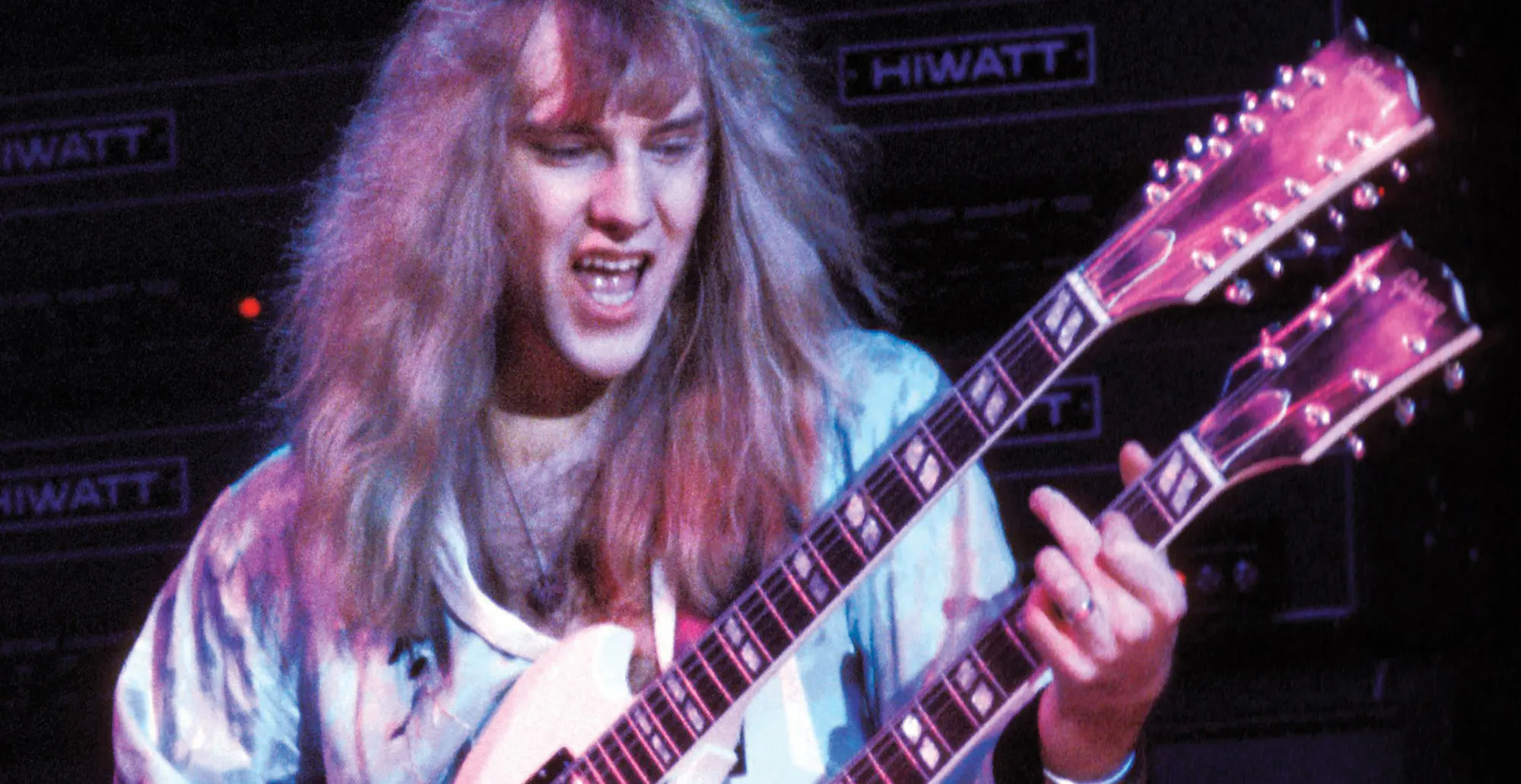
"Limelight" by Rush is a timeless classic that has captivated rock fans and guitar enthusiasts since its release. This track, featuring the guitar wizardry of Alex Lifeson, is a prime example of sophisticated rock guitar work, blending complex techniques with memorable riffs and melodies. In this lesson, we delve into the various techniques Lifeson employs in "Limelight," focusing on the nuances that make the song so compelling for guitar players. Whether you’re an experienced guitarist or an enthusiastic learner, studying these techniques will not only improve your technical skills but also enhance your understanding of rock guitar's expressive power. Danny Gill breaks down this classic track in this exclusive Lick Library video tutorial.
About Alex Lifeson and His Influence
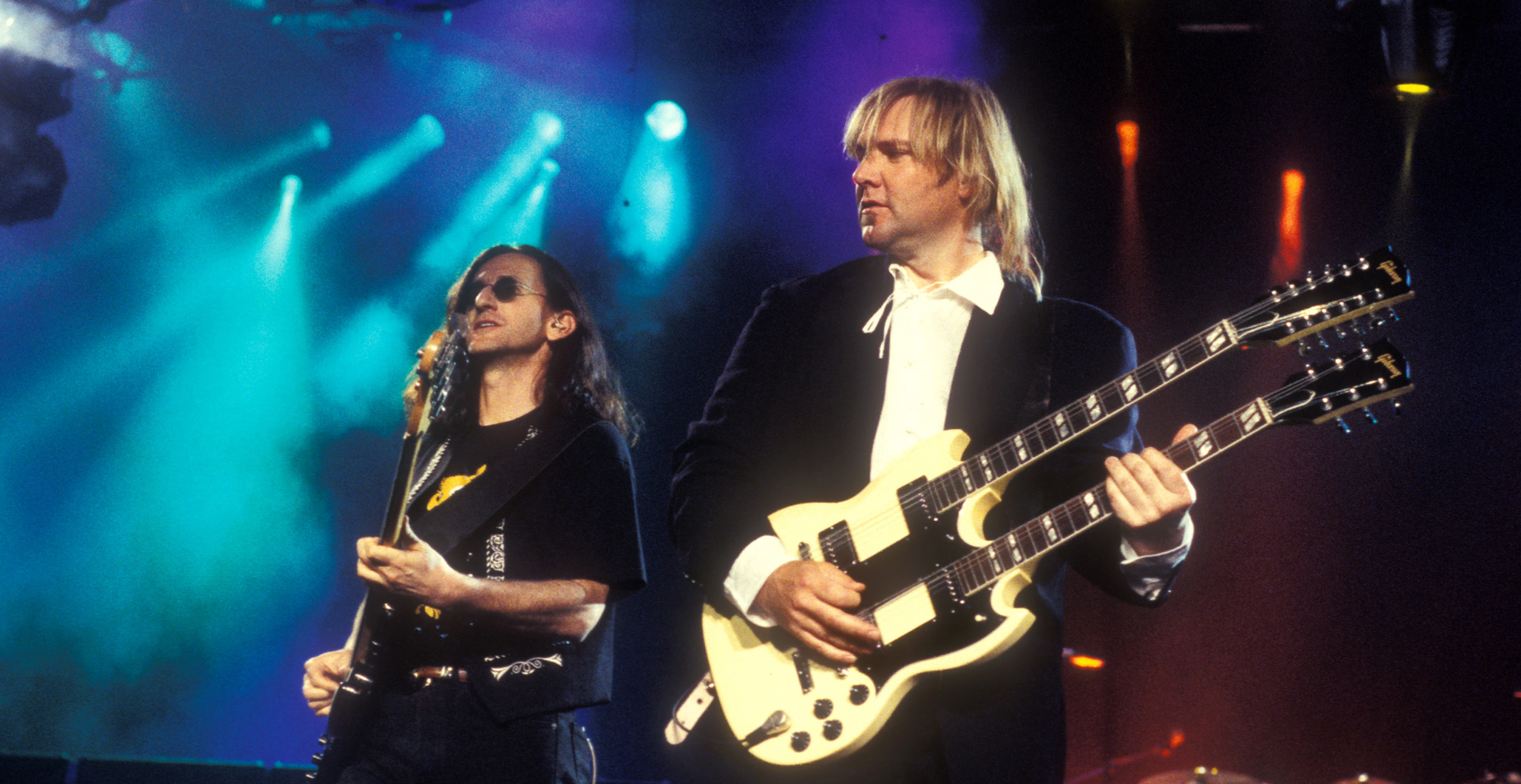
Alex Lifeson, the guitarist for Rush, is renowned for his technical mastery and innovative approach to rock guitar. Known for his unique blend of melody and complexity, Lifeson combines traditional rock influences with progressive elements, often pushing the boundaries of typical rock guitar playing. His work in "Limelight" showcases his ability to create emotionally resonant guitar parts that remain challenging yet accessible. Lifeson's influence is evident in countless rock and metal guitarists who admire his skilful balance of rhythm, melody, and technical prowess. Learning Lifeson’s techniques in this song will give players insights into the creative approaches of one of rock’s most innovative guitarists.
Key Techniques in "Limelight"
Vibrato
Vibrato is a foundational technique that adds emotion and expressiveness to each note. In "Limelight," Lifeson uses subtle vibrato to give his solos and lead lines a unique character, allowing the notes to sing and resonate. This lesson will show you how to apply vibrato effectively, teaching you control and finesse that can elevate your playing by adding depth to sustained notes.
Alternate Picking
Lifeson’s use of alternate picking provides clarity and precision, especially in the faster, rhythmically complex sections. Alternate picking enhances speed and accuracy, and mastering it will make you more efficient with your picking hand, allowing you to tackle faster passages with ease and control.
Hammer-Ons and Pull-Offs
The use of hammer-ons and pull-offs adds fluidity and articulation to the song's phrasing. These legato techniques allow for smooth transitions between notes, contributing to the flowing nature of Lifeson’s guitar lines. Practicing these will help you develop smoother, more connected passages and increase your overall finger strength.
String Bending
String bending is central to Lifeson’s expressive style in "Limelight." His bends are precise and add a vocal-like quality to the melody, capturing the listener’s attention. Learning to bend accurately will improve your pitch control and allow you to add an expressive, emotive quality to your playing.
Slides
Slides are frequently used by Lifeson to transition between notes and chords, adding a smooth and seamless flow. Learning slides can enhance your ability to move around the fretboard quickly while maintaining the flow of the music. This technique is especially useful for linking different sections and creating a cohesive feel in your playing.
Open String Riffs
The song’s main riff uses open string notes, giving it a full and resonant sound. Open string riffs can be challenging to play cleanly, but mastering them will improve your finger coordination and ability to integrate open strings into melodic lines. This technique also adds a rich, layered sound to your riffs.
Arpeggiated Chord Progressions
The arpeggiated sections in "Limelight" highlight Lifeson’s approach to creating atmosphere. Arpeggiated chord progressions give a song depth and texture by breaking down chords into individual notes. Practicing these will enhance your finger dexterity and help you understand how to add dynamic layers to your playing.
Rakes
Rakes are used in Lifeson's solos to add an extra percussive element, emphasising certain notes and creating rhythmic interest. Rakes can give your playing a sharp, syncopated quality, perfect for adding impact to your lead lines. This technique will improve your control over dynamics and articulation.
Harmonics
Lifeson’s use of natural harmonics adds a shimmering, almost ethereal quality to his playing. Learning harmonics will teach you finger positioning and control, allowing you to incorporate these chime-like sounds into your own music for a unique tonal colour.
Palm Muting
Palm muting is essential for adding rhythmic intensity and clarity to Lifeson’s riffs. By muting certain notes, you can create a tight, focused sound that drives the rhythm forward. Practicing palm muting will improve your right-hand control and help you add texture and dynamics to your playing.
Power Chords
Power chords form the backbone of many rock songs, including "Limelight." Lifeson’s use of power chords provides a solid, driving force that gives the song its power and energy. Mastering power chords will improve your rhythm playing and give you a solid foundation in rock guitar.
List of Guitar Techniques Covered
- Vibrato
- Alternate Picking
- Hammer-Ons
- Pull-Offs
- String Bending
- Slides
- Open String Riffs
- Arpeggiated Chord Progressions
- Rakes
- Harmonics
- Palm Muting
- Power Chords
Through mastering these techniques, you'll gain a deeper appreciation for Lifeson's unique guitar style and broaden your own technical skills. This lesson not only teaches you the parts of an iconic song but also provides valuable tools to apply across countless musical genres and styles. Start exploring these techniques in "Limelight" to expand both your skill set and your understanding of rock guitar.
Other Rush Guitar Lessons
Related Guitar Lessons