

Classic Albums - Let There Be Rock - Guitar Course
Complete Album Lessons with Danny Gill
Guitar Lessons In The Course
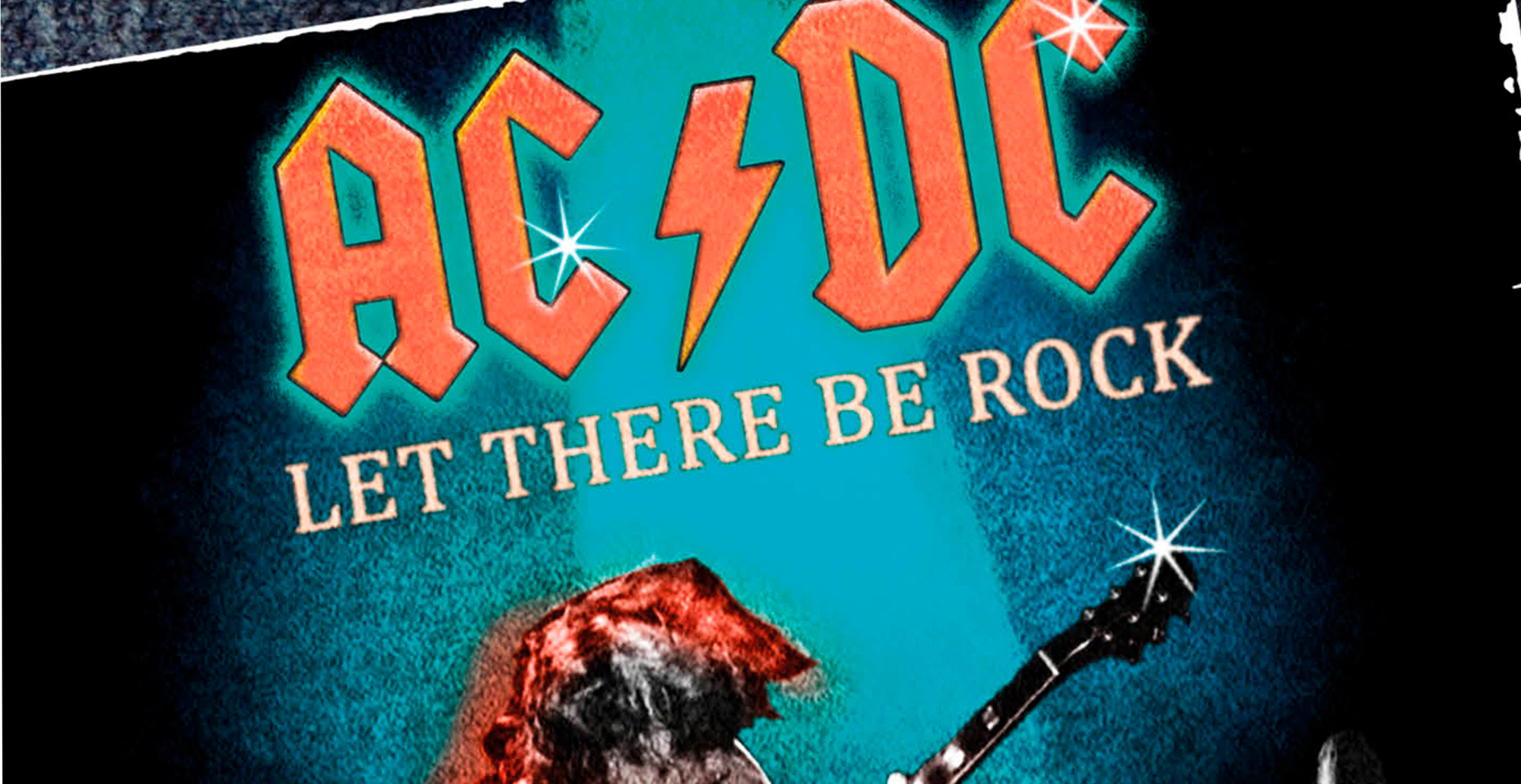
Classic Albums - Let There Be Rock

Song Lessons in this Course
This Course is Ideal for Players Who...
This course is ideal for players who:
• Are ready to move beyond basic chords and learn how to play authentic, high-energy rock riffs and solos.
• Want to understand the fundamental rhythm guitar techniques that drive classic rock, specifically the style of Malcolm Young.
• Are fans of the blues-rock genre and want to master the expressive lead playing of Angus Young.
• Are looking for structured guitar lessons to build a powerful repertoire of 70s rock guitar and classic hard rock anthems.
• Have an electric guitar and amplifier and are eager to plug in and learn the definitive AC/DC guitar lessons for the Let There Be Rock album.
What will I achieve from completing this course?
By completing this comprehensive Let There Be Rock guitar lesson course, you will not only be able to play every song on the album, but you will also gain a deep, practical understanding of the core elements that make up the AC/DC sound. This knowledge is transferable to virtually any style of rock and blues. You will achieve the following:
• Master the Rhythmic Engine: Develop a powerful, locked-in rhythm hand, focusing on the essential down-picking technique pioneered by Malcolm Young to create that signature, driving AC/DC groove.
• Unleash Blues-Rock Soloing: Learn the pentatonic and blues scale shapes and licks used by Angus Young to construct his explosive, yet melodic, solos, dramatically improving your lead guitar lessons vocabulary.
• Perfect the Tone and Feel: Understand how to dial in the classic '70s Marshall sound, focusing on gain, EQ, and dynamics to capture the raw, overdriven tone of the era.
• Build a Rock Repertoire: Confidently add eight of the most influential hard rock tracks to your playing list, making you a master of 70s rock guitar lessons.
• Improve Technique: Gain proficiency in key techniques like string bending, vibrato, hammer-ons, pull-offs, and the use of open-string riffs that are crucial to the band's style.
WE CAN HELP...
1-ON-1 COACHING
Access to thousands of lessons is great, but without a plan you can feel like you’re practicing in circles. Book your FREE 1-on-1 video call with a Licklibrary pro to fix your technique, build a practice plan, get motivated, or overcome any challenge. It's all included in your membership!
** Disclaimer **
*This product is not endorsed by or made in association with
AC/DC
nor does
AC/DC
perform or appear on this course.*
"Let There Be Rock" by AC/DC - A guitarist's perspective
"Let There Be Rock" is the fourth studio album by the Australian hard rock band AC/DC, released in March 1977. It was the last album to feature bassist Mark Evans before being replaced by Cliff Williams. The album showcases the powerful, high-energy guitar work of Angus Young, the lead guitarist, and his brother, rhythm guitarist Malcolm Young. In this article, we'll explore the guitar techniques, scales, and song-by-song analysis that made "Let There Be Rock" an iconic album for guitarists.
In this course, LickLibrary veteran, Danny Gill walks you through the many highlights of each song from the rock giants one phrase at a time, including Angus Young’s legendary guitar riffs and lead lines from the tracks; “Dog Eat Dog” and “Whole Lotta Rosie”, to the rowdy title track “Let There Be Rock.”
Guitar Scales
"Let There Be Rock" primarily features the use of the pentatonic minor scale and the blues scale. These scales are popular among rock and blues guitarists due to their simple structure and versatile sound.
Pentatonic Minor Scale
The pentatonic minor scale consists of five notes, making it a more straightforward scale for rock and blues guitarists. The notes in the A pentatonic minor scale are A, C, D, E, and G.
Blues Scale
The blues scale is a six-note scale derived from the pentatonic minor scale by adding a single chromatic note, known as the "blue note." In the A blues scale, the notes are A, C, D, D♯/E♭, E, and G.
Song-by-Song Analysis
1. "Go Down"
"Go Down" kicks off the album with a driving rhythm and an infectious riff. The song is played in the key of A and features the A pentatonic minor scale. Angus Young's solo in this song showcases his ability to incorporate double-stop bends and unison bends into his playing.
2. "Dog Eat Dog"
This track is built around a hard-hitting, syncopated riff in the key of E. It utilises the E pentatonic minor scale and E blues scale, with Angus employing techniques such as alternate picking and slides throughout the song.
3. "Let There Be Rock"
The title track is a high-energy anthem in the key of A. The main riff is based on the A pentatonic minor scale, and the song features a driving, galloping rhythm. Angus's solo in this song showcases his masterful use of vibrato, string bending, and hammer-ons.
4. "Bad Boy Boogie"
"Bad Boy Boogie" is a classic blues-rock song in the key of A, utilising the A pentatonic minor and blues scales. The main riff is a prime example of AC/DC's signature open string riffs and power chords. Angus's solo in this track highlights his ability to incorporate trills and legato techniques.
5. "Problem Child"
"Problem Child" is another high-energy track in the key of B. The song features a catchy, syncopated main riff and uses the B pentatonic minor scale. Angus's solo in this song showcases his dexterity with techniques such as pull-offs, double-stops, and pinched harmonics.
6. "Overdose"
This track is a mid-tempo rocker in the key of D, utilising the D pentatonic minor scale. The song's main riff features a heavy use of palm muting and barre chords. Angus's solo in "Overdose" demonstrates his skilful use of pre-bends.
7. "Hell Ain't a Bad Place to Be"
This song is in the key of G and features a driving, hard-rock riff that utilises the G pentatonic minor scale. The track showcases Angus's ability to create memorable solos with techniques such as tremolo picking and bluesy bends.
8. "Whole Lotta Rosie"
"Whole Lotta Rosie" is an iconic AC/DC track that features a powerful riff in the key of A, using the A pentatonic minor scale. The song's energetic rhythm is a perfect example of AC/DC's galloping rhythms. Angus's solo showcases his incredible skill with string bending, vibrato, slides, and hammer-ons.
Guitar Solo Analysis
Throughout the album, Angus Young's solos demonstrate his remarkable ability to blend melody and technical prowess. He frequently employs techniques such as string bending, vibrato, slides, and hammer-ons, making his solos both expressive and dynamic. Angus's solos often follow a blues-based structure, with occasional forays into chromaticism and other advanced techniques.
Angus Young: The Lead Guitarist
Angus Young, the lead guitarist of AC/DC, is known for his energetic stage presence, schoolboy outfit, and signature Gibson SG guitar. Born in Glasgow, Scotland, Angus and his family moved to Sydney, Australia, when he was a child. He co-founded AC/DC with his brother Malcolm Young in 1973. Angus's playing is heavily influenced by blues and early rock 'n' roll, with a particular admiration for guitarists like Chuck Berry and Jimi Hendrix.
Throughout "Let There Be Rock," Angus Young's guitar work is characterised by powerful, catchy riffs and memorable solos that showcase his technical skill and bluesy sensibility. His unique style and stage presence have helped define the AC/DC sound and made him an influential figure in the world of rock guitar.
In conclusion, "Let There Be Rock" by AC/DC is a seminal album in the world of rock music, showcasing the band's signature high-energy sound and the incredible guitar work of Angus Young. With its memorable riffs, powerful solos, and engaging songwriting, the album has inspired generations of guitarists and cemented AC/DC's place as one of the most influential rock bands of all time.
For guitarists, "Let There Be Rock" offers a treasure trove of techniques, scales, and ideas that can be used to enhance their playing and expand their musical vocabulary. By studying and incorporating Angus Young's guitar work, players can develop their own unique style while paying homage to one of the all-time greats.
So, pick up your guitar, plug in, and dive into the world of AC/DC's "Let There Be Rock." Whether you're a seasoned professional or just starting, there's something in this album for every guitarist to learn, appreciate, and enjoy. Happy playing!
Guitar Techniques Used
"Let There Be Rock" features a variety of guitar techniques that have become synonymous with AC/DC's sound. Below is a list of the techniques used in this album:
Related Guitar Courses
Study Back In Black with Danny Gill at Lick Library. Learn iconic riffs, grooves and classic hard rock guitar techniques from AC/DC.

Study AC/DC’s Highway To Hell with Danny Gill at Lick Library. Learn driving riffs, tight rhythms and classic rock guitar techniques inspired by Angus Young.

Learn to play in the style of AC/DC with Stuart Bull at Lick Library. Explore classic riffs, rhythm playing and rock solid guitar techniques.

Study AC/DC’s Powerage album with Danny Gill at Lick Library. Learn iconic riffs, rhythms and lead parts that define classic hard rock guitar tone and feel. now

Jam with AC/DC style tracks with Danny Gill at Lick Library. Explore classic rock riffs, rhythm playing and high-energy guitar techniques.
Learn AC/DC style guitar with Danny Gill at Lick Library. Explore iconic riffs, rhythm playing and classic rock techniques.
Jam with AC/DC style tracks with Danny Gill at Lick Library. Develop rhythm guitar skills and classic rock phrasing.
Learn AC/DC style guitar with Danny Gill at Lick Library. Explore iconic riffs, rhythm playing and classic rock techniques inspired by Angus Young.

Learn 20 classic rock riffs with Danny Gill at Lick Library. Build your repertoire with iconic riffs and essential rock guitar techniques.

Learn Angus Young solos with Danny Gill at Lick Library. Explore energetic phrasing and classic AC/DC lead guitar techniques.
Learn classic rock tracks with Danny Gill, Jamie Humphries and Michael Casswell at Lick Library. Explore riffs, phrasing and iconic guitar techniques.

Learn iconic 80s guitar riffs with Danny Gill at Lick Library. Explore classic rock and metal riffs inspired by legendary players and bands.
Expand your soloing skills with bonus material at Lick Library. Develop phrasing, timing and confidence in rock lead guitar.

Master rock guitar in 6 weeks with Danny Gill. Learn pentatonics, blues scales, bends, vibrato, and iconic rock licks with structured lessons.
Start your rock guitar journey with Nick Jennison and Stuart Shields at Lick Library. Learn essential chords, riffs and techniques from day one.

Learn classic rock riffs with Danny Gill at Lick Library. Explore iconic riffs from legendary bands and build your rock guitar vocabulary.

Learn Angus Young guitar techniques with Jamie Humphries at Lick Library. Explore energetic phrasing and classic rock lead playing.
Learn Angus Young inspired licks with Jamie Humphries at Lick Library. Explore high-energy rock phrasing and classic AC/DC style lead guitar.

Build on your rock guitar skills with Nick Jennison and Stuart Shields at Lick Library. Learn essential riffs, chords and techniques for beginners.
Study Burn with Danny Gill at Lick Library. Learn powerful riffs, solos and hard rock guitar techniques from this classic Deep Purple era album.
Learn to play in the style of Rainbow with Danny Gill at Lick Library. Explore neoclassical riffs, phrasing and classic rock techniques.

Learn David Gilmour inspired licks with Jamie Humphries at Lick Library. Develop melodic phrasing, bends and expressive blues rock soloing.

Learn simple guitar solos with Danny Gill at Lick Library. Build confidence with accessible lead ideas inspired by classic rock songs.
Learn classic acoustic tracks with Danny Gill at Lick Library. Explore chords, strumming and fingerstyle techniques from iconic songs.
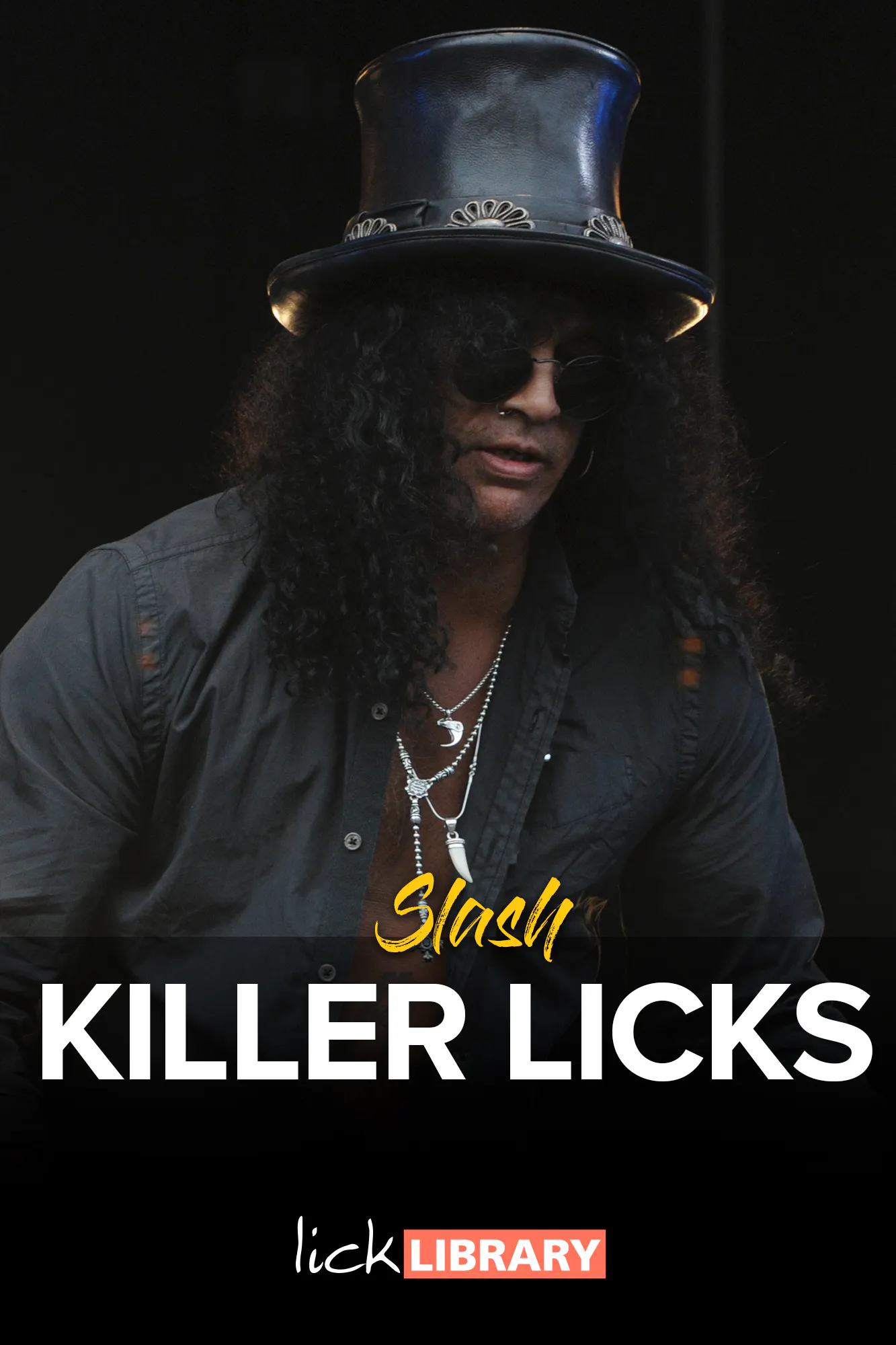
Learn Slash inspired licks with Danny Gill at Lick Library. Explore phrasing, tone and iconic hard rock lead guitar techniques.
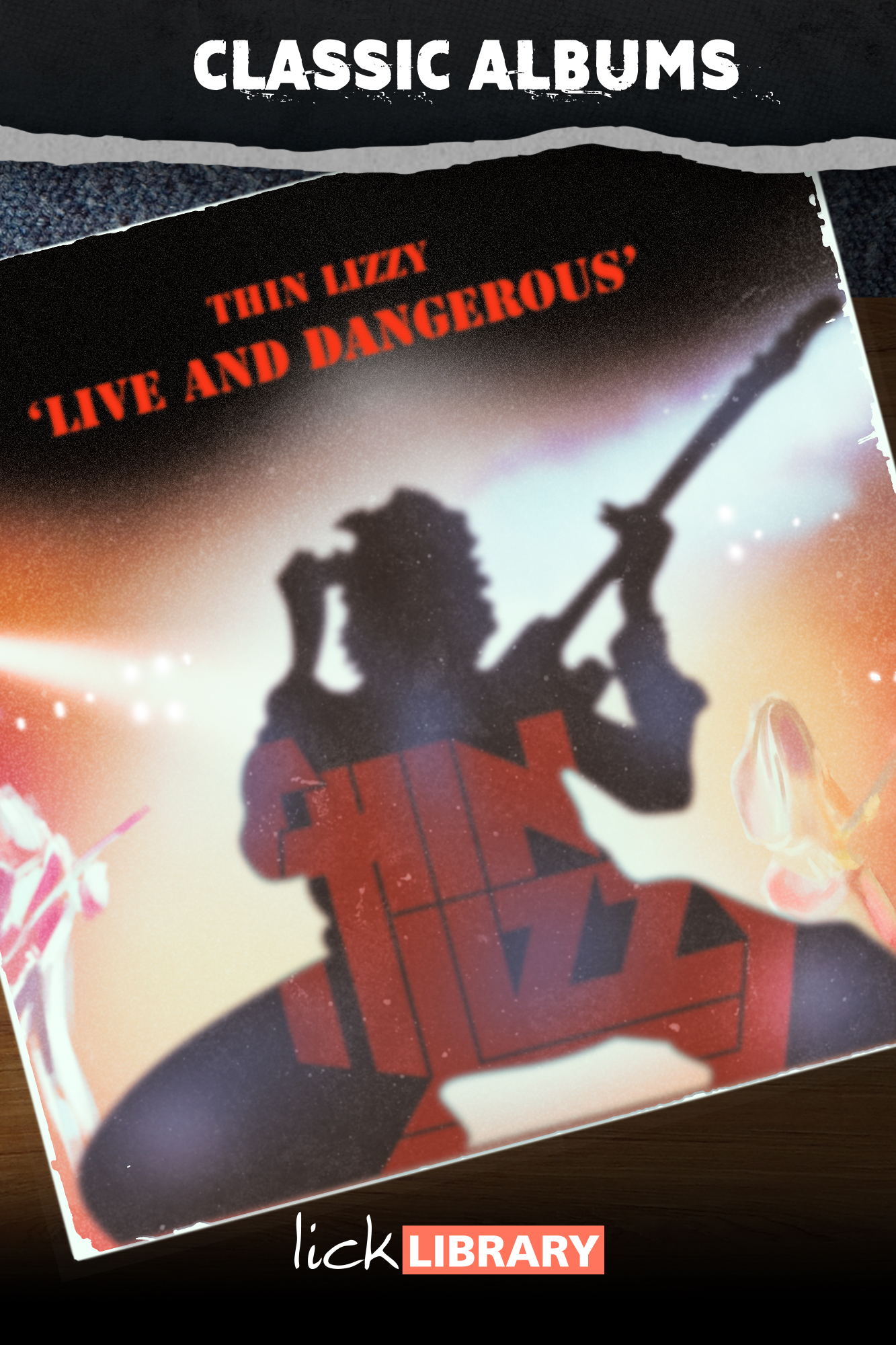
Study Thin Lizzy’s Live and Dangerous with Danny Gill at Lick Library. Learn twin leads, riffs and tones from this legendary live rock album.
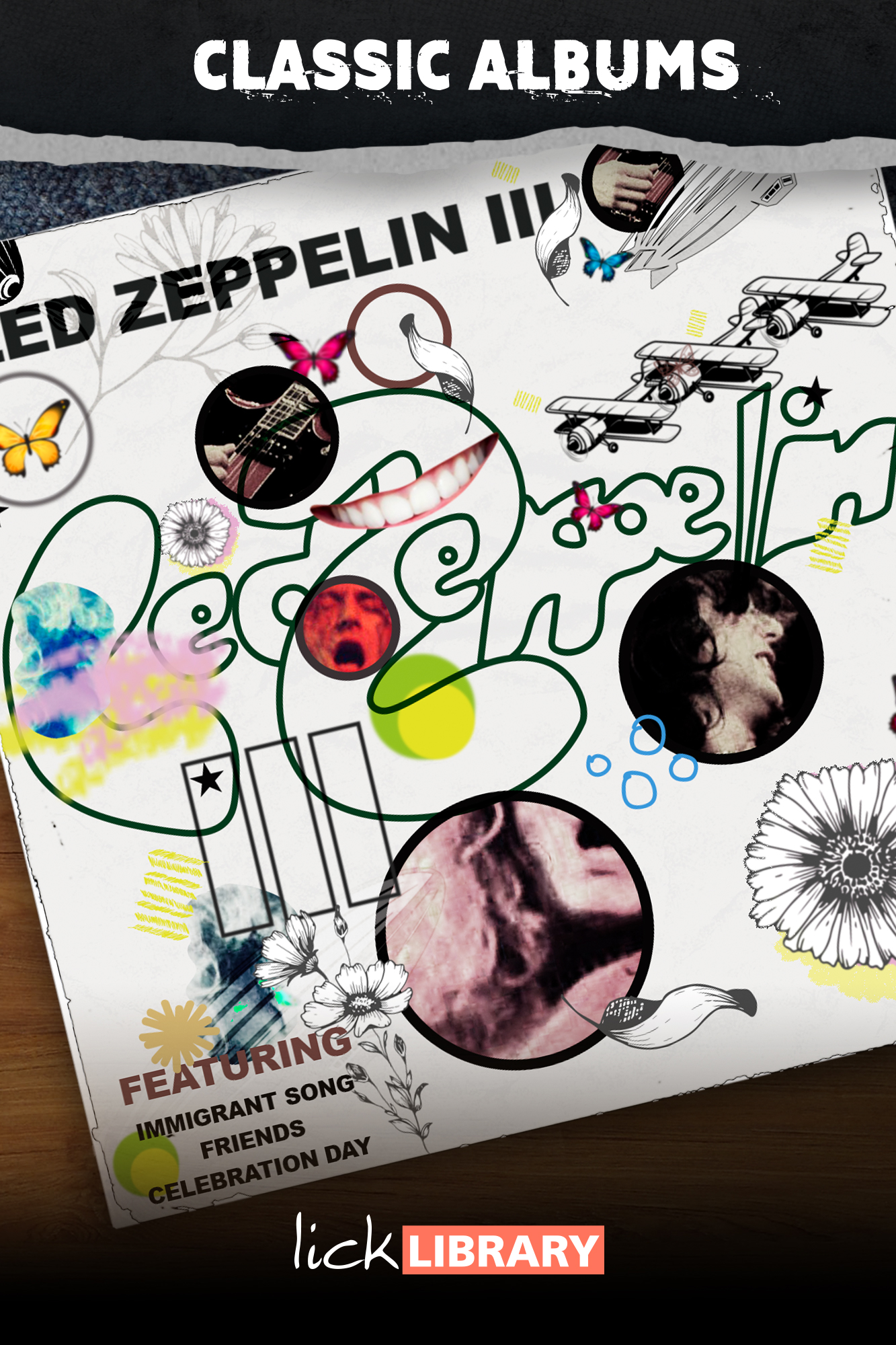
Study Led Zeppelin III with Danny Gill at Lick Library. Learn acoustic textures, riffs and classic rock guitar techniques.

Study Use Your Illusion II with Danny Gill at Lick Library. Learn expressive solos, riffs and hard rock guitar techniques inspired by Slash.
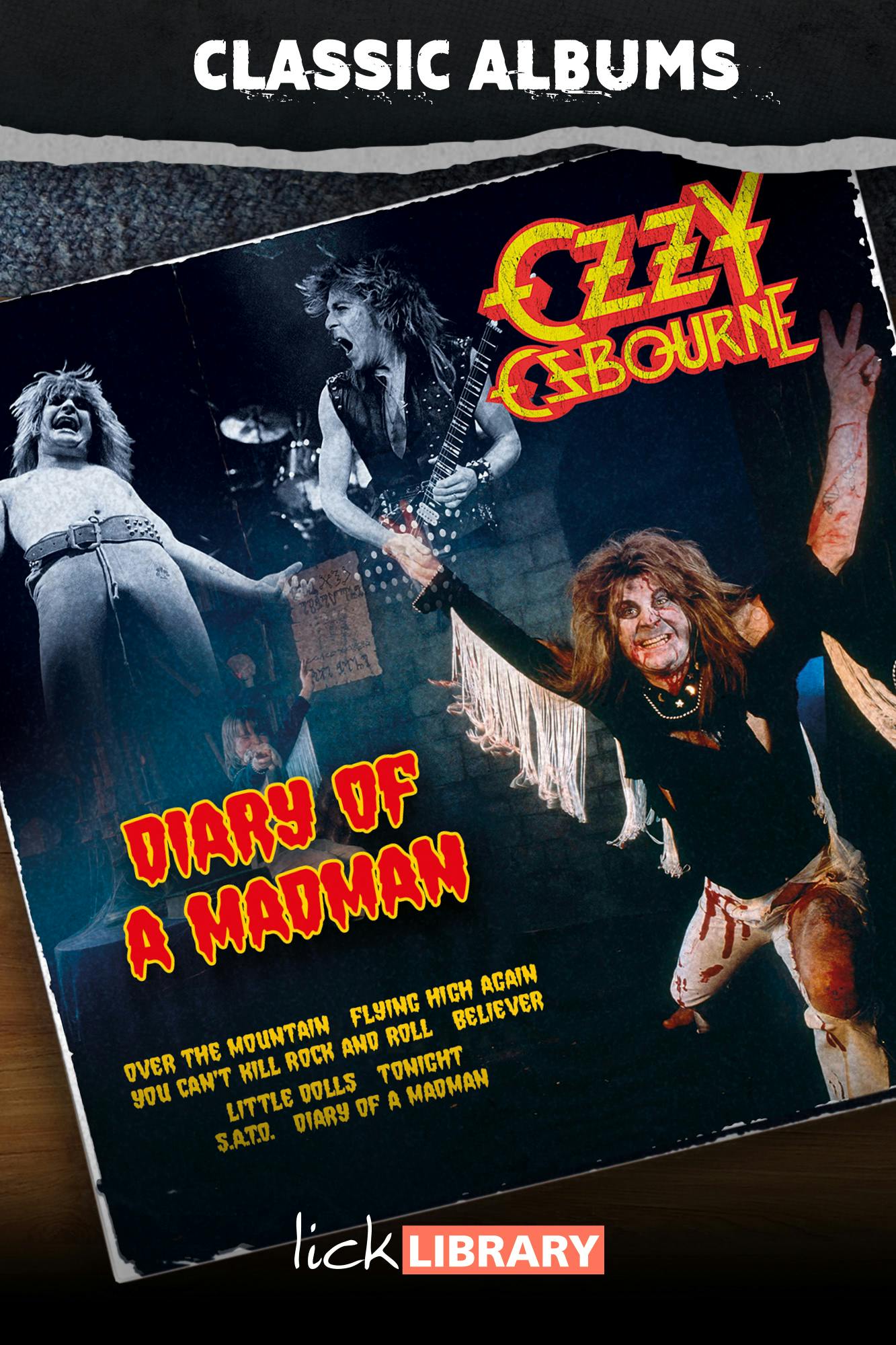
Study Ozzy Osbourne’s Diary Of A Madman with Danny Gill at Lick Library. Learn iconic riffs and solos inspired by Randy Rhoads.

Learn guitar parts from Fandango with Danny Gill at Lick Library. Study blues rock riffs, grooves and tones inspired by ZZ Top.