Learn to play Massacre - Guitar Lesson
Guitar lesson for this song by Thin Lizzy
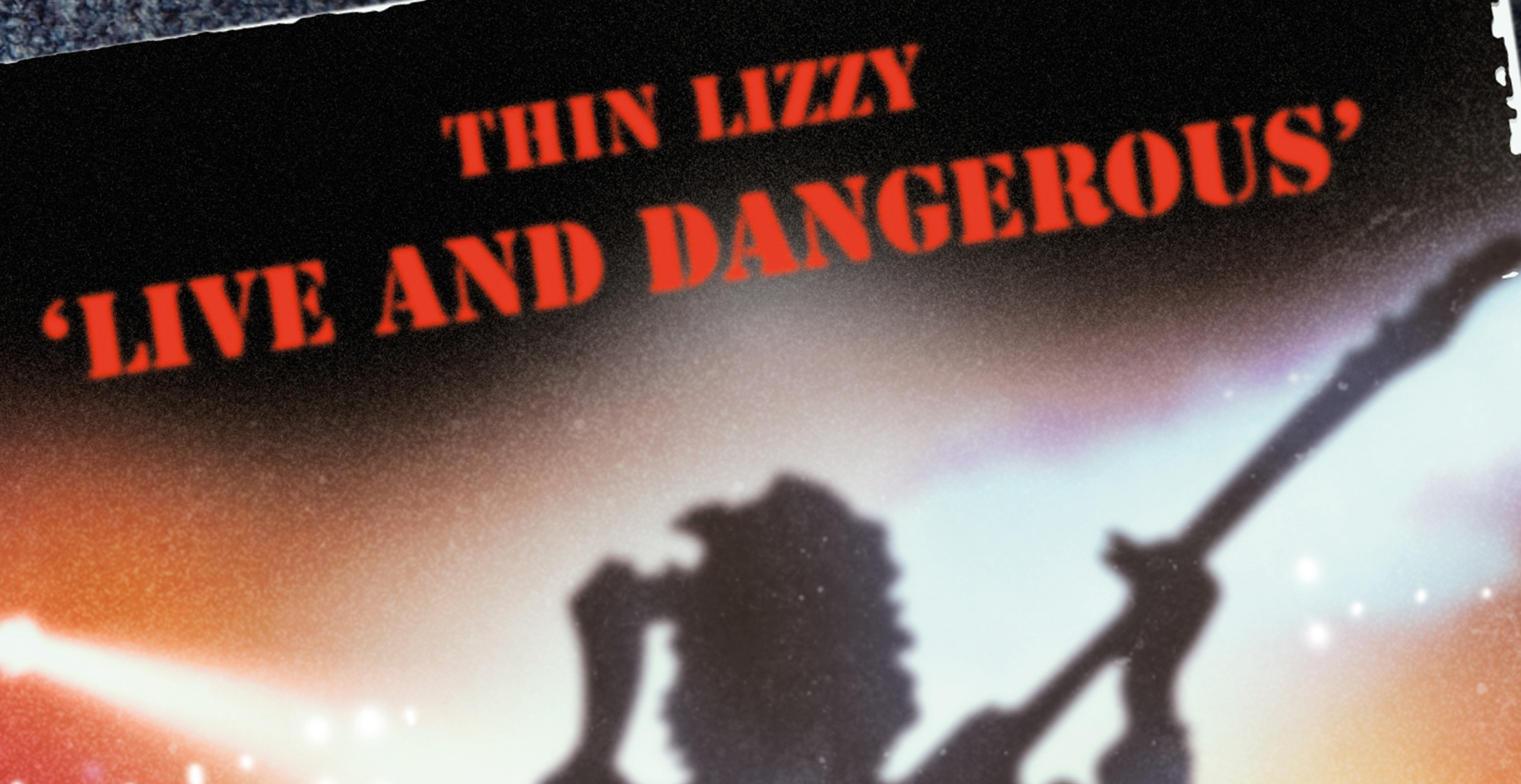
"Massacre" from 'Live and Dangerous' by Thin Lizzy: Guitar Lesson
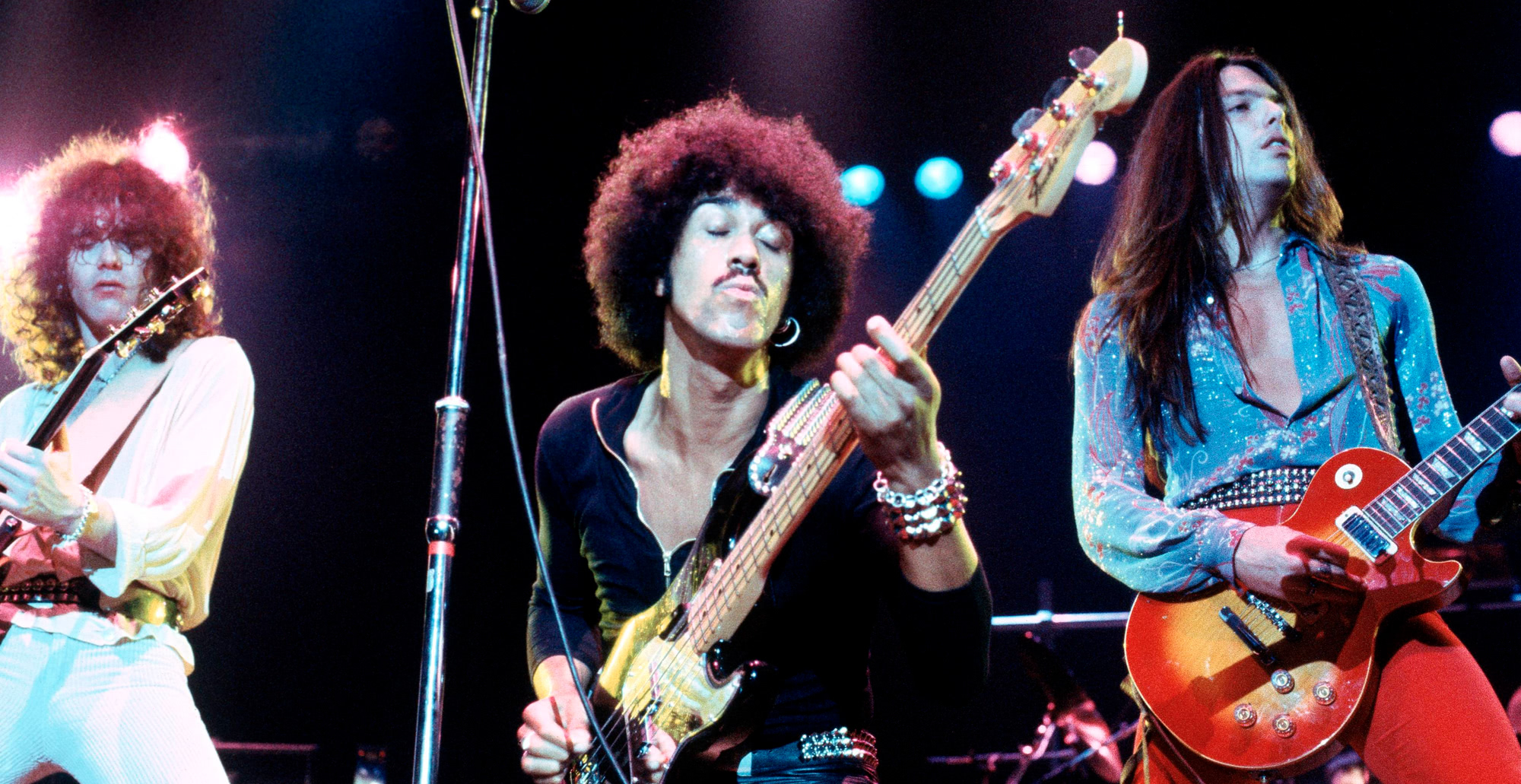
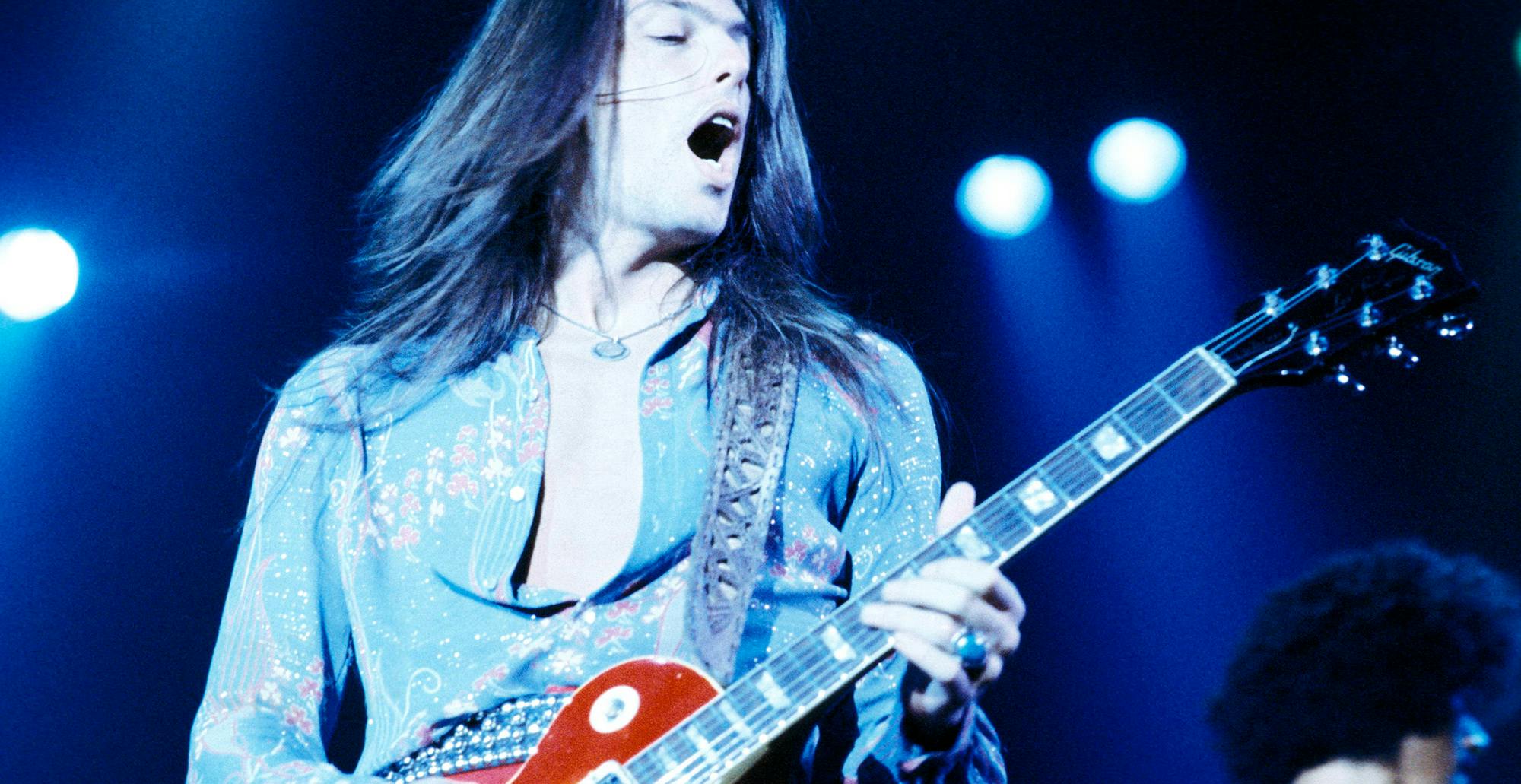
Ah, "Massacre" from Thin Lizzy's renowned 'Live and Dangerous' album—a scorching blaze of energy, an epitome of tight ensemble playing, and a great study piece for any aspiring guitarist. This song has got it all—dynamic riffs, intricate solos, and two of the finest guitarists, Scott Gorham and Brian Robertson, working together to create that Thin Lizzy magic. Danny Gill digs into what makes this song a gem from a guitarist's perspective.
Chord Progressions & Rhythms
The song features several key chord progressions that set the stage for the sonic texture. Its main riff relies on a series of power chords, giving it a rock-solid foundation. Essentially, you're looking at variations around E, D, and A power chords. You'll also find a fair share of minor chords and barre chords, adding depth to the overall tonality.
Guitar Scales
Both Gorham and Robertson incorporate scales that go beyond the basic pentatonic, which is often the go-to for many rock songs. There are instances of Mixolydian and Aeolian scales sprinkled throughout the solos, lending a unique, exotic texture to the mix.
Lead Guitarists & Their Roles
Scott Gorham is generally the more melodic of the two, bringing in expressive bends and vibratos, whereas Brian Robertson plays the aggressor, with fiery runs and captivating legatos. Their styles are complementary, creating a sort of conversation that adds layers of complexity to the song.
Solo Analysis
Now, the solos in "Massacre" are something to behold. If you're a fan of nuanced phrasing and meticulous note choices, you're in for a treat. They start off by hinting at E minor pentatonic but quickly veer into other scales, offering a more diverse sonic palette. What strikes me is the economy of notes; there's no excessive shredding here—every note is deliberate and serves a purpose.
Scott tends to employ a lot of slides and legato techniques in his solo, giving a very fluid transition between notes. Brian, on the other hand, brings in some tapped harmonics, adding a delightful texture to his runs. Also noteworthy are the unison bends employed in the song, which not only add a bluesy touch but also accentuate the band's dual-guitar approach.
Techniques Used in "Massacre"
Guitar techniques serve as the tools of the trade for any guitarist, and "Massacre" offers a rich array of them for any player interested in expanding their toolkit. Here's a breakdown of techniques featured in the song:
- Vibrato
- Alternate Picking
- Legato
- Tapped Harmonics
- Unison Bends
- Power Chords
- Barre Chords
- Hammer-Ons
- Slides
- Chord Progressions
Final Thoughts
"Massacre" is an amalgamation of what makes rock guitar fascinating—powerful chords, engaging scales, intricate solos, and the soulful interplay between two immensely talented guitarists. It serves as a fantastic study piece for anyone eager to dig into rock guitar at its finest. With a plethora of guitar techniques employed and the mastery of scale choices, this song is a must-learn for guitarists aiming to expand both their skill set and musical vocabulary.
Other Thin Lizzy Guitar Lessons


Related Guitar Lessons