

Classic Albums - Dark Side Of The Moon - Guitar Course
Complete Album Lessons with Jamie Humphries
Guitar Lessons In The Course
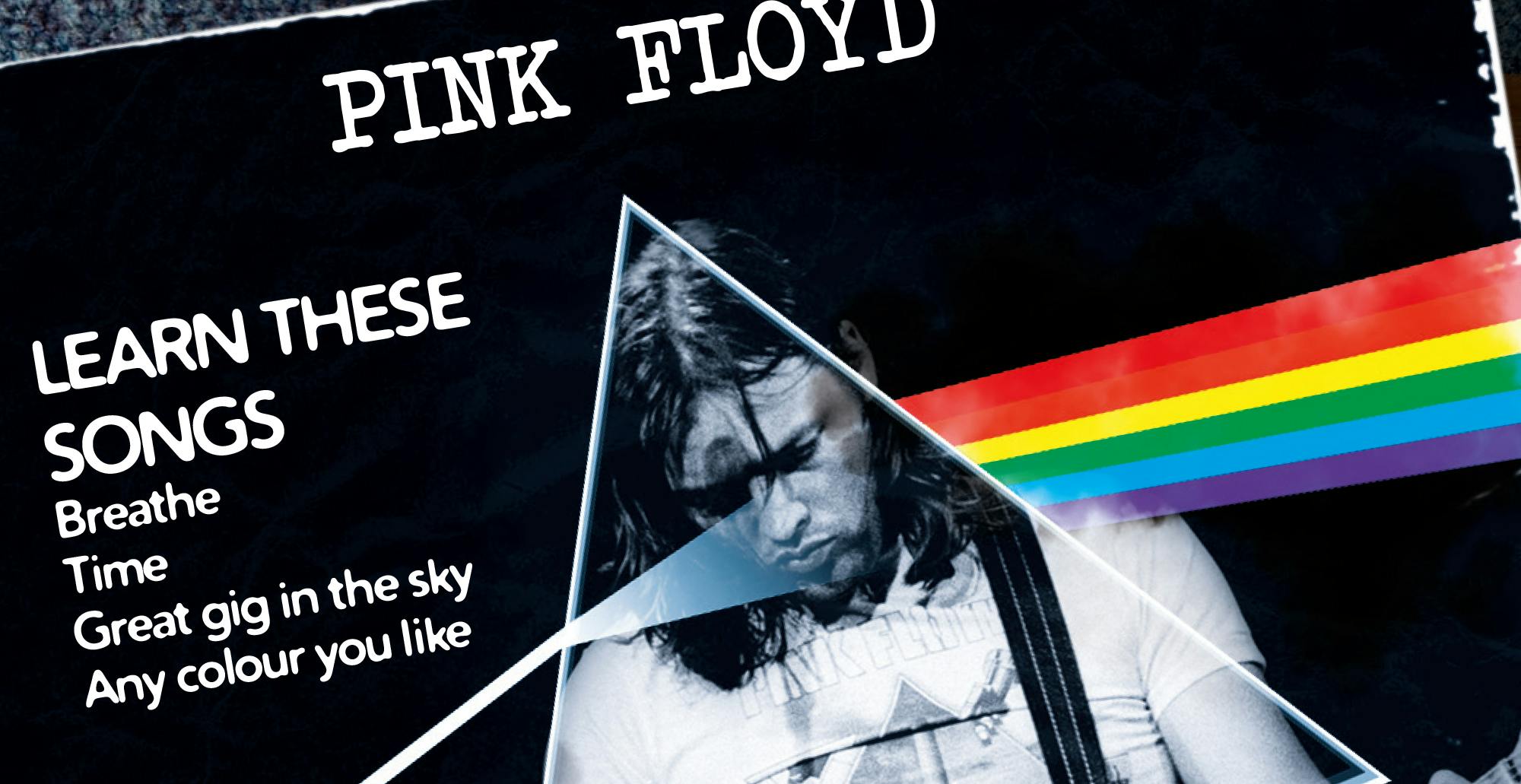
Classic Albums - Dark Side Of The Moon

Song Lessons in this Course
Song-by-Song Guitar Lessons Taught by Jamie Humphries
• Speak to Me / Breathe
• On the Run
• Time
• The Great Gig in the Sky
• Money
• Us and Them
• Any Colour You Like
• Brain Damage
• Eclipse
This Course is Ideal for Players Who...
This course is ideal for players who:
• Are dedicated fans of Pink Floyd and the legendary guitar work of David Gilmour.
• Want to move beyond basic rock and blues and explore the depth of 70s prog guitar lessons.
• Are looking for high-quality guitar lessons focused on tone, feel, and musicality.
• Wish to master the art of using effects pedals to shape a professional, studio-quality sound.
• Are ready to tackle one of the most influential and rewarding albums in the history of 70s rock guitar lessons.
What will I achieve from completing this course?
This course provides essential guitar lessons that go beyond simple note-for-note transcription, offering a deep dive into the musical philosophy of one of rock's greatest guitarists. By focusing on the material from this seminal album, you will gain a profound understanding of the techniques that define 70s rock guitar lessons and the progressive genre. You will not only learn the parts but also how to achieve the signature sounds, making this an invaluable addition to any guitarist's repertoire.
What you will achieve from completing this course:
• Master David Gilmour's Signature Techniques: Develop world-class control over string bending, wide vibrato, and sustain—the hallmarks of Gilmour's expressive style.
• Unlock Iconic Tones: Learn how to effectively use effects like fuzz, delay, and Uni-Vibe to recreate the atmospheric and psychedelic soundscapes of the album.
• Navigate Complex Structures: Gain confidence in playing over unconventional time signatures, such as the 7/4 groove of "Money," a key skill in 70s prog guitar lessons.
• Develop Melodic Soloing: Understand the scales, modes, and phrasing that allow Gilmour's solos to sound like perfectly crafted compositions rather than mere improvisation.
• Improve Rhythm and Chord Voicings: Learn the subtle, yet crucial, rhythm guitar parts and sophisticated chord voicings that underpin the album's emotional depth.
WE CAN HELP...
1-ON-1 COACHING
Access to thousands of lessons is great, but without a plan you can feel like you’re practicing in circles. Book your FREE 1-on-1 video call with a Licklibrary pro to fix your technique, build a practice plan, get motivated, or overcome any challenge. It's all included in your membership!
** Disclaimer **
*This product is not endorsed by or made in association with
Pink Floyd
nor does
Pink Floyd
perform or appear on this course.*
"Dark Side Of The Moon" by Pink Floyd: An analysis for guitarists
Guitar lessons by Jamie Humphries
"Dark Side of the Moon" is a classic and timeless album released by Pink Floyd in 1973. It is an extraordinary work that has stood the test of time and is still widely appreciated by music lovers and guitarists alike. This article will provide an in-depth analysis of the album, with a focus on the guitar work, scales, solos, and the contributions of lead guitarist David Gilmour.
In this course, LickLibrary veteran, Jamie Humphries walks you through the many highlights of each song from the progressive rock icons one phrase at a time, including all of David Gilmour’s classic guitar riffs, searing guitar solos, masterful string bends and ambient guitar sounds plus a host of other essential David Gilmour lead guitar techniques. Learn the legendary guitar parts from the tracks; “Time,” “Money,” and the haunting, “Brain Damage.”
Track-by-Track Analysis
1. Speak to Me / Breathe
This track starts with an ambient intro, "Speak to Me," which seamlessly transitions into "Breathe." The guitar work in "Breathe" is primarily based on an Em pentatonic scale, with the chords being Em9, A7sus4, and Asus2. The lead guitar melody, played by Gilmour, utilises slides and bends, creating a smooth and soothing sound.
2. On the Run
"On the Run" is an instrumental track that mainly features synthesisers, with minimal guitar work. There is, however, a subtle guitar presence in the background, which adds to the track's atmospheric quality.
3. Time
"Time" is a powerful and introspective song with intricate guitar work. The verses use a progression of F#m, A, E, and B, while the chorus features a Dmaj7 and Asus4 chord. Gilmour's guitar solo is based on the D Mixolydian scale, with some added chromaticism. The solo showcases his excellent string bending, vibrato, and sustain techniques.
4. The Great Gig in the Sky
This predominantly instrumental piece features a piano and vocal improvisation. The guitar work is minimal, providing subtle support to the overall composition.
5. Money
"Money" is a unique song with a 7/4 time signature and a memorable bass riff. The guitar work consists of funky rhythm playing, with the chords being Bm7, G, Em, and F#. Gilmour's solo is based on the B blues scale, showcasing his impeccable alternate picking, string bending, and vibrato techniques.
6. Us and Them
"Us and Them" is a slow, atmospheric song with rich chord progressions. The verses are based on a progression of Dsus2, Bm, Gmaj7, and G, while the chorus features a Cmaj7 and Em7 chord. Gilmour's lead guitar work is smooth and melodic, utilising the D major scale and demonstrating his mastery of slides and bends.
7. Any Colour You Like
"Any Colour You Like" is an instrumental track that features Gilmour's guitar work prominently. The song is based on a B minor pentatonic scale, with Gilmour employing various techniques such as hammer-ons, pull-offs, and slides to create a fluid and expressive solo.
8. Brain Damage
"Brain Damage" is a haunting song with a progression of D, G7/D, D7, and G in the verses and D, A, and G in the chorus. Gilmour's lead guitar work adds to the eerie atmosphere of the song, using the D major scale and incorporating slides and bends to create a melodic and emotive solo.
9. Eclipse
The final track, "Eclipse," features powerful and climactic guitar work. The song is based on a progression of Bm, F#, and G, with Gilmour's solo utilising the B minor pentatonic scale. His playing showcases his string bending, vibrato, and sustain techniques, bringing the album to a close with a profound sense of resolution and finality.
David Gilmour's Contribution to the Album
David Gilmour's contribution to Pink Floyd's iconic album "Dark Side of the Moon" cannot be overstated. As the lead guitarist, Gilmour's musical prowess and creative vision played a pivotal role in crafting the album's timeless sound. His skilful and emotive playing elevated the band's music to new heights, leaving an indelible mark on the world of progressive rock.
Gilmour's approach to guitar work on "Dark Side of the Moon" is characterised by his mastery of various techniques, as well as his ability to convey complex emotions through his playing. His solos and melodic lines, often using techniques like string bending, vibrato, and sustain, seamlessly blend with the album's overarching themes of life, death, and human experience. Gilmour's guitar work is not only technically impressive but also deeply evocative, adding layers of depth and texture to the music.
One of Gilmour's most significant contributions to the album is his innovative use of effects and soundscapes. His experimentation with delay, reverb, and other effects played a crucial role in defining the album's atmospheric quality. By expertly manipulating these effects, Gilmour helped to create the immersive and haunting soundscapes that Pink Floyd is now famous for.
In summary, David Gilmour's contributions to "Dark Side of the Moon" were instrumental in shaping the album's unique sound and enduring legacy. His exceptional guitar work, creative vision, and innovative use of effects make the album a true masterpiece that continues to inspire generations of musicians and music lovers alike.
In conclusion, "Dark Side of the Moon" is a seminal album that has captivated generations of music lovers and guitarists alike. Its intricate guitar work, memorable solos, and the contributions of lead guitarist David Gilmour make it a must-listen for any aspiring guitarist. The techniques employed throughout the album showcase Gilmour's mastery of the instrument and serve as an inspiration for guitarists to develop their skills and find their unique voice on the guitar.
Guitar Techniques used in "Dark Side of the Moon"
The guitar techniques employed in "Dark Side of the Moon" showcase David Gilmour's diverse skillset and deep understanding of the instrument. His use of string bending, vibrato, and sustain imbues the music with a sense of fluidity and emotion. Gilmour's mastery of slides, hammer-ons, and pull-offs adds to the smooth and expressive nature of his playing. Additionally, his alternate picking technique brings precision and speed to his solos. The innovative use of guitar effects, such as delay and reverb, further enhances the album's atmospheric quality. These techniques combine to create a unique sonic landscape that is both timeless and captivating.
Some of the techniques used include:
Related Guitar Courses

Jam with Pink Floyd style tracks with Jamie Humphries at Lick Library. Explore atmospheric tones and melodic lead guitar ideas.

Learn to play in the style of Pink Floyd with Jamie Humphries at Lick Library. Explore tone, phrasing and expressive lead guitar techniques.

Study Pink Floyd’s Wish You Were Here with Jamie Humphries at Lick Library. Learn expressive guitar parts, tones and atmospheric techniques.

Learn Pink Floyd style guitar with Jamie Humphries at Lick Library. Explore atmospheric tones, phrasing and melodic soloing.

Learn David Gilmour inspired licks with Jamie Humphries at Lick Library. Develop melodic phrasing, bends and expressive blues rock soloing.

Learn to play in the style of David Gilmour with Jamie Humphries at Lick Library. Explore melodic solos, tone and expressive phrasing.

Learn David Gilmour guitar techniques with Jamie Humphries at Lick Library. Explore tone, phrasing and expressive lead guitar.

Learn rock basslines with Phil Williams at Lick Library. Explore groove, timing and classic rock styles.

Learn David Gilmour solos with Jamie Humphries at Lick Library. Explore melodic phrasing, tone and expressive lead guitar techniques.

Continue learning classic rock solos with Jamie Humphries at Lick Library. Develop phrasing, tone and expressive lead guitar skills.

Learn David Gilmour inspired licks with Jamie Humphries at Lick Library. Explore melodic bends, phrasing and expressive blues rock soloing.
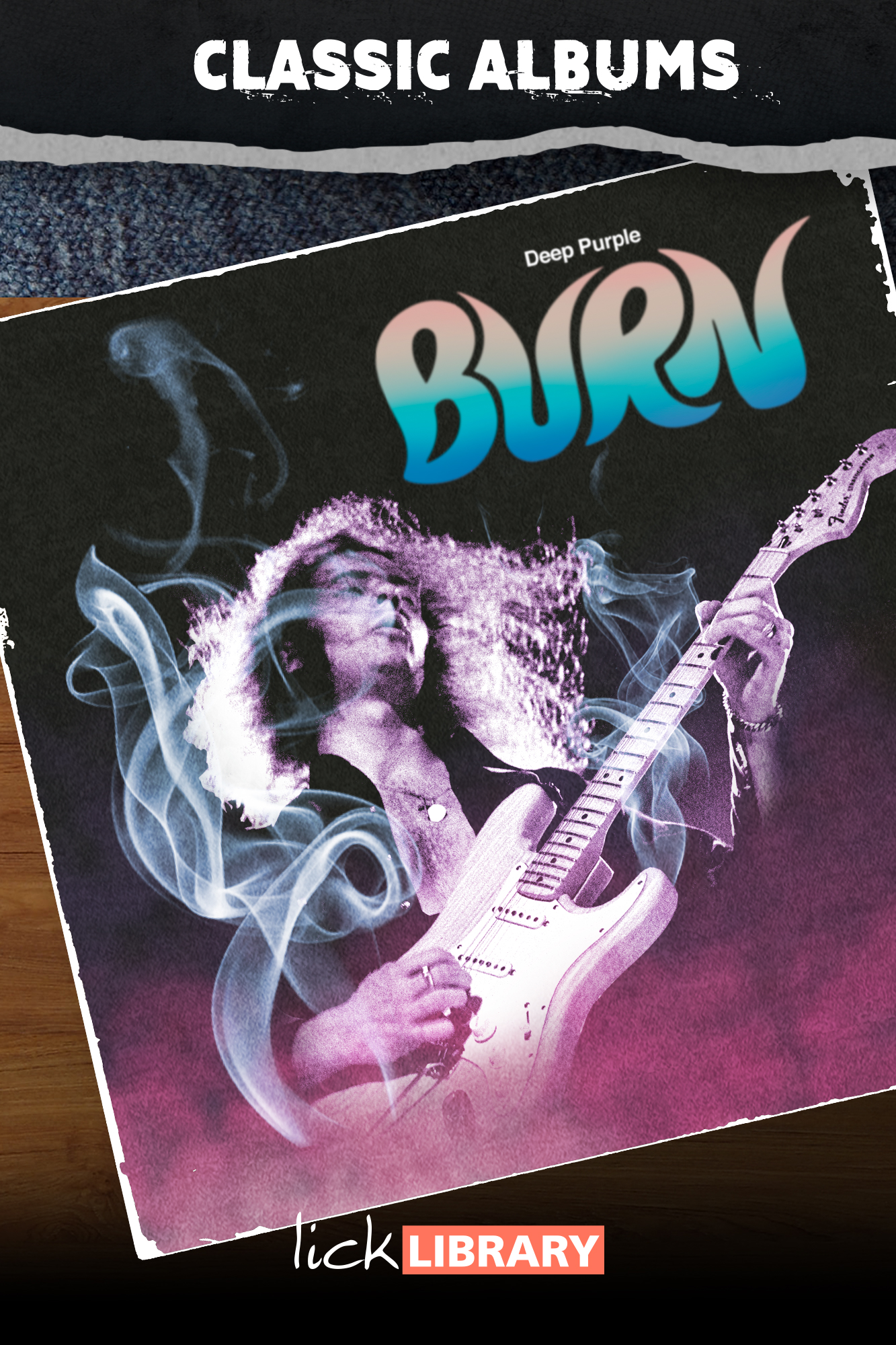
Study Burn with Danny Gill at Lick Library. Learn powerful riffs, solos and hard rock guitar techniques from this classic Deep Purple era album.

Continue learning acoustic rock songs with Jamie Humphries at Lick Library. Develop strumming, chord changes and song playing skills.

Continue your rock guitar journey with Nick Jennison and Stuart Shields at Lick Library. Learn riffs, songs and techniques from classic rock influences.

Learn guitar parts from Fandango with Danny Gill at Lick Library. Study blues rock riffs, grooves and tones inspired by ZZ Top.

Learn to play in the style of Lynyrd Skynyrd with Danny Gill at Lick Library. Explore southern rock riffs and lead guitar techniques.

Learn to play in the style of Free with Michael Casswell at Lick Library. Explore blues rock phrasing, tone and expressive lead guitar ideas.

Learn to play in the style of Santana with Stuart Bull at Lick Library. Explore melodic phrasing, tone and Latin influenced guitar techniques.

Learn how to play minor blues guitar licks in the style of Jimmy Page, the man that laid the bluesy soloing foundations of heavy rock. Also includes a Jim…

Study Tres Hombres with Danny Gill at Lick Library. Learn blues rock riffs, tones and groove-driven guitar parts from this ZZ Top classic.

Learn electric blues guitar in 6 weeks with Stuart Bull. Master phrasing, bends, vibrato, scales and iconic blues styles with step-by-step lessons.

Take your Hendrix style further with Danny Gill at Lick Library. Develop phrasing, rhythm and lead guitar techniques.

Learn to play in the style of ZZ Top with Danny Gill at Lick Library. Explore blues rock riffs, tone and groove.

Learn Jimmy Page solos with Danny Gill at Lick Library. Explore classic rock phrasing, riffs and blues-based lead guitar techniques.

Explore Straight Shooter with Danny Gill at Lick Library. Learn blues rock riffs, grooves and guitar techniques inspired by Bad Company.

Start your electric blues journey with Stuart Bull at Lick Library. Learn essential phrasing, scales and techniques for expressive blues guitar.

Learn to play in the style of Joe Walsh with Danny Gill at Lick Library. Study classic rock riffs, slide guitar ideas and melodic solos inspired by his sound.
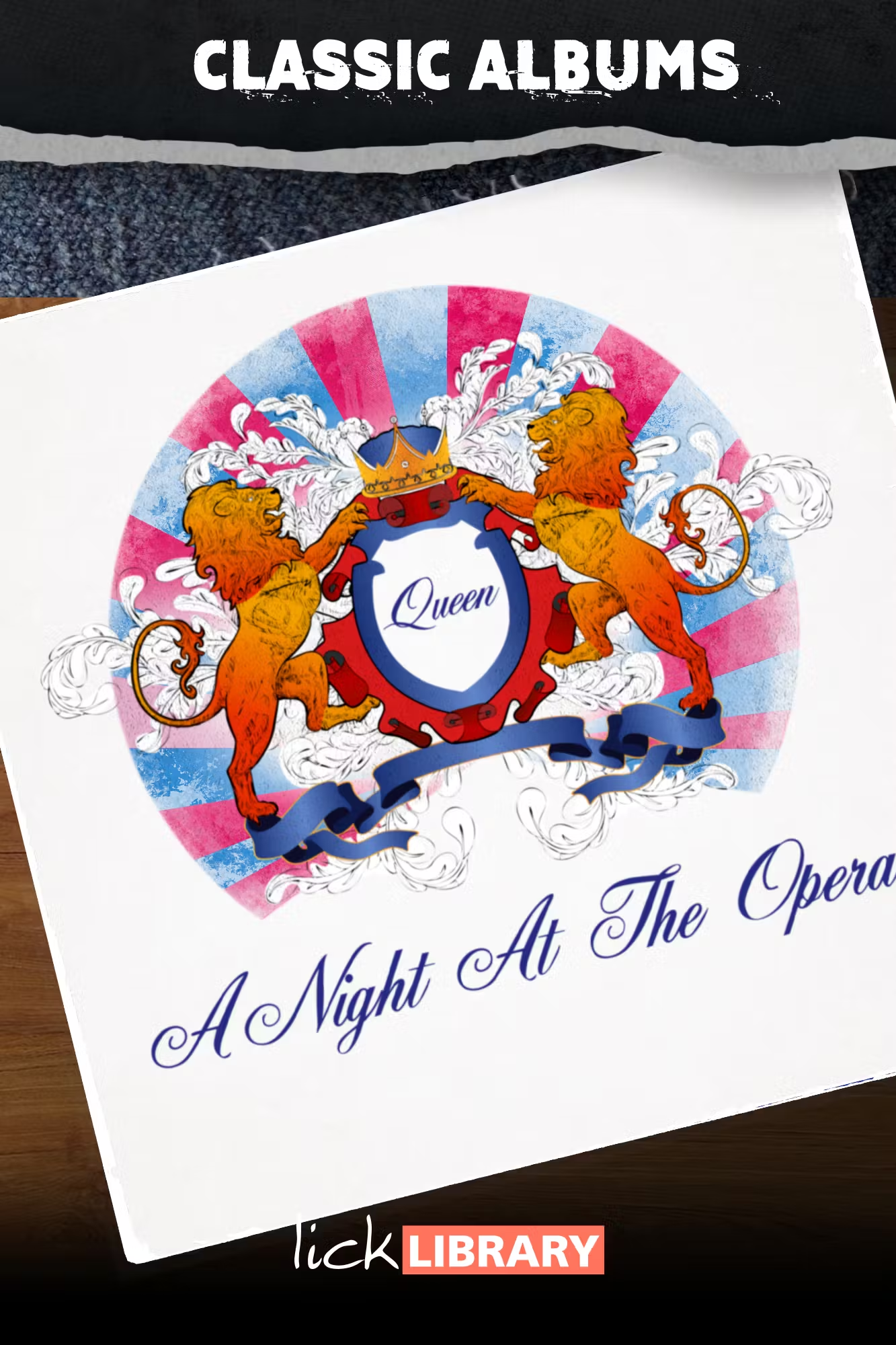
Study Queen’s A Night At The Opera with Sam Bell at Lick Library. Learn layered guitar parts, tones and techniques behind this classic album.

Jam with Cream style tracks with Michael Casswell at Lick Library. Explore blues rock phrasing and classic guitar techniques.

Learn Jimmy Page style licks with Danny Gill at Lick Library. Explore blues rock phrasing and classic lead guitar ideas.