

Classic Albums - Burn - Guitar Course
Complete Album Lessons with Danny Gill
Guitar Lessons In The Course
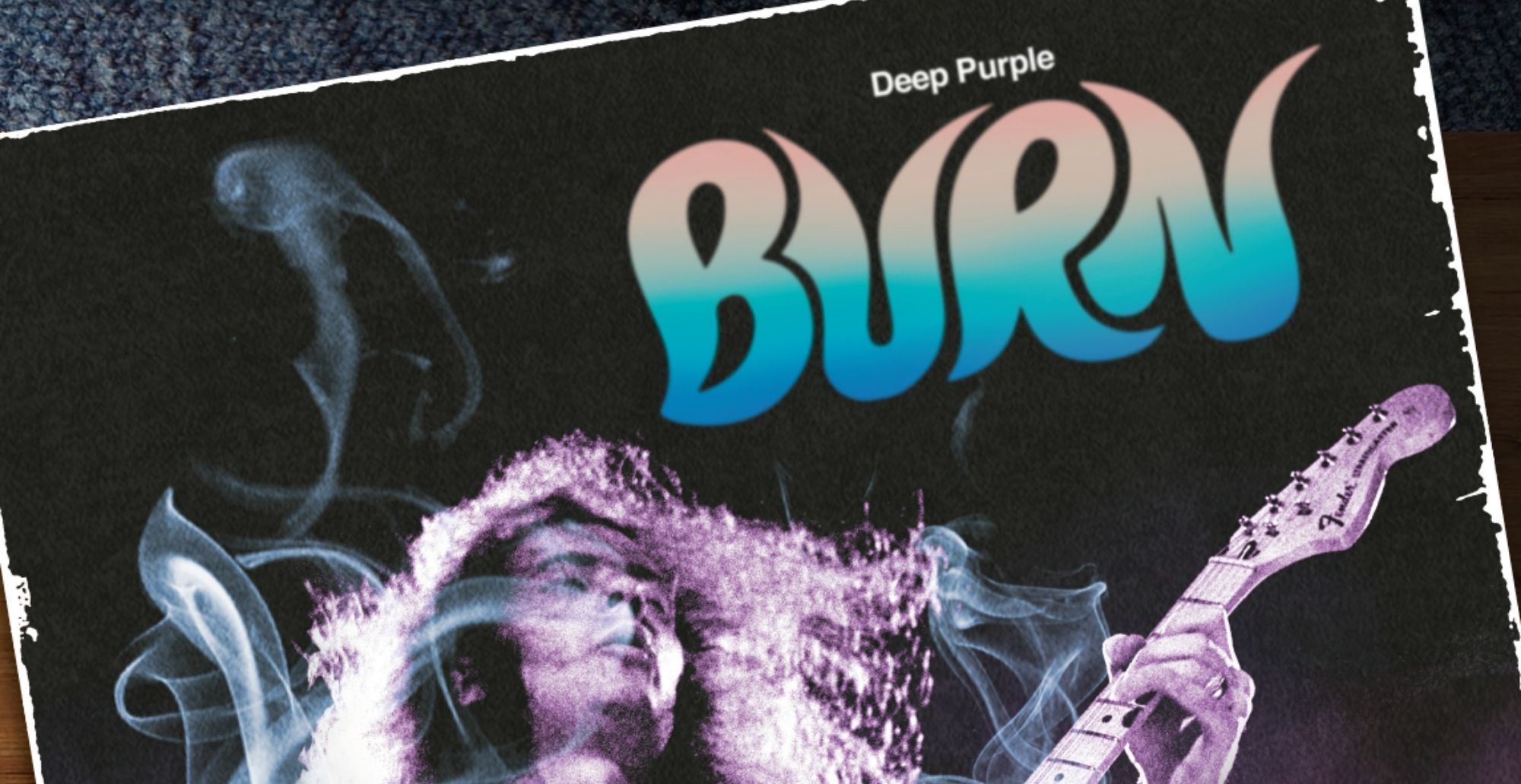
Classic Albums - Burn

Song Lessons in this Course
Song-by-Song Guitar Lessons Taught by Danny Gill
This comprehensive Deep Purple guitar lessons course breaks down every track from the
iconic album, teaching you the essential riffs, rhythm parts, and unforgettable solos.
• Burn
• Might Just Take Your Life
• Lay Down, Stay Down
• Sail Away
• You Fool No One
• What's Goin' On Here
• Mistreated
• 'A' 200
This Course is Ideal for Players Who...
This course is ideal for players who are looking to transition from intermediate to advanced rock guitar lessons and want to:
• Deepen their knowledge of classic rock theory, focusing on the blend of blues, pentatonics, and exotic scales.
• Master the aggressive, yet melodic, lead style of Ritchie Blackmore, one of the most influential guitarists in rock history.
• Build a repertoire of challenging and rewarding 70s rock guitar lessons material that will impress any audience.
• Understand the core techniques required to play the entire Burn album note-for-note.
• Optimise their playing for the Deep Purple guitar lessons sound, covering everything from heavy riffs to soulful blues.
What will I achieve from completing this course?
By completing this course, you will not only learn the entire Burn album but also gain a deep understanding of the techniques and theory that underpin Ritchie Blackmore's unique style. This is a vital step for any player serious about classic rock and metal.
What you will achieve from completing this course:
• Master the Riff: Learn to play the iconic, high-speed, galloping riff from "Burn" using the G minor pentatonic scale and power chords, a cornerstone of 70s rock guitar lessons.
• Neo-Classical Phrasing: Understand how Blackmore incorporates elements of classical music, such as harmonic minor and diminished scales, into his blues-rock framework, a key feature of the Ritchie Blackmore sound.
• Advanced Lead Techniques: Develop precision in techniques like alternate picking, string bending, vibrato, and the expressive use of the whammy bar, as demonstrated in tracks like "You Fool No One" and "Mistreated."
• Rhythm Guitar Mastery: Gain proficiency in complex rhythm patterns, syncopated grooves, and the use of palm-muting to create a tight, driving sound across all eight tracks.
WE CAN HELP...
1-ON-1 COACHING
Access to thousands of lessons is great, but without a plan you can feel like you’re practicing in circles. Book your FREE 1-on-1 video call with a Licklibrary pro to fix your technique, build a practice plan, get motivated, or overcome any challenge. It's all included in your membership!
** Disclaimer **
*This product is not endorsed by or made in association with
Deep Purple
nor does
Deep Purple
perform or appear on this course.*
Deep Purple's "Burn" Album: A Guitarist's Perspective
"Burn" is the eighth studio album by the legendary British rock band Deep Purple, released in February 1974. This album marked a significant change in the band's lineup, as it was the first to feature then-new members David Coverdale (vocals) and Glenn Hughes (bass, vocals), who replaced Ian Gillan and Roger Glover, respectively. However, the guitar wizardry of Ritchie Blackmore remained intact, and this album showcases his incredible talent and innovative techniques. Burn hit number three on the UK Albums Chart and number nine on the US Billboard 200, making it one of the band’s highest-rated and critically acclaimed releases.
In this guitar lesson course, LickLibrary veteran Danny Gill walks you through the many highlights of each song from this essential album one phrase at a time, including Ritchie Blackmore’s legendary guitar riffs and lead lines from tracks such as; “Sail Away,” “Burn,” and the epic “Mistreated.”
Ritchie Blackmore: The Lead Guitarist
Ritchie Blackmore, a founding member of Deep Purple, is considered one of the most influential guitarists of all time. His contributions to the "Burn" album were immense, providing both driving riffs and mesmerising solos. Blackmore's style is a blend of blues, rock, and classical influences, with a heavy focus on melodic lines and virtuosic techniques.
Blackmore's playing is characterised by a combination of aggressive picking and smooth legato phrasing, giving his solos a unique sense of fluidity and precision. He is known for using a variety of scales and modes, ranging from the traditional pentatonic and blues scales to more exotic choices such as harmonic minor and diminished scales. His use of these diverse scales allows him to create tension and resolution within his solos, resulting in a dynamic and expressive sound.
In addition to his technical prowess, Blackmore is also renowned for his innovative use of guitar effects. He was one of the early adopters of the wah-wah pedal, which he often used to add extra texture and expressiveness to his solos. Additionally, Blackmore frequently employed tape echo and phasing effects, which helped to create a sense of space and depth in his playing.
Track-by-Track Analysis
1. Burn
The album's opening track and title song, "Burn," is a high-energy rocker that showcases Blackmore's prowess. The main riff is based on the G minor pentatonic scale, featuring palm-muted power chords and a galloping rhythm [^1^]. Blackmore employs a variety of techniques throughout the song, including string bending, vibrato, and alternate picking.
Blackmore's solo in "Burn" is a masterclass in rock guitar playing. He begins with a rapid ascending run, utilising the G minor pentatonic scale and making use of the hammer-on and pull-off techniques. The solo continues with a series of tasteful bends and vibrato, showcasing Blackmore's excellent control and expressiveness. Towards the end of the solo, he employs a series of tremolo-picked runs, adding intensity to the climax of the solo.
2. Might Just Take Your Life
This bluesy track starts with a Hammond organ intro, followed by a powerful riff in A minor, which serves as the backbone of the song. Blackmore's solo features a mix of pentatonic and blues scale licks, with an emphasis on bends and slides.
During the solo, Blackmore demonstrates his ability to create tension by incorporating chromatic passing tones and double-stops. He also uses pre-bends and pinched harmonics to add a unique and expressive character to the solo.
3. Lay Down, Stay Down
"Lay Down, Stay Down" is an up-tempo rock song in E minor, featuring a driving riff and a catchy chorus. The main riff showcases Blackmore's ability to create syncopated rhythms, using palm muting to accentuate certain beats. The pre-chorus section introduces a dual-guitar harmony, which adds a melodic layer to the song.
The guitar solo in this track is a blend of E minor pentatonic and E Dorian licks. Blackmore employs a variety of techniques, such as legato, alternate picking, and string bending. He also uses unison bends to create a powerful, vocal-like quality to his solo.
4. Sail Away
"Sail Away" is a mid-tempo track with a prominent bass line and a moody atmosphere. The main riff is built around a D minor chord progression, utilising barre chords and arpeggios. Blackmore's solo in this track is more restrained compared to other solos on the album, focusing on melodic phrasing and the use of sustain to create a sense of space.
The solo is primarily based on the D minor pentatonic scale, with occasional chromatic passing tones. Blackmore utilises trills and tremolo picking to create an engaging and dynamic solo, while still maintaining a strong sense of melody.
5. You Fool No One
"You Fool No One" is a high-energy track that features a strong riff in C# minor. The main riff is characterised by rapid power chord changes, interspersed with open-string riffs. The song also features a middle section with a galloping rhythm, further emphasising the track's intensity.
Blackmore's solo in "You Fool No One" is a whirlwind of technical mastery. The solo begins with a flurry of hammer-ons, pull-offs, and slides. As the solo progresses, Blackmore introduces two-handed tapping, adding an extra layer of complexity to the already impressive solo. The climax of the solo incorporates sweep picking and rakes, demonstrating Blackmore's exceptional versatility as a guitarist.
6. What's Goin' On Here
This bluesy track in A minor features a catchy riff and a soulful vocal performance. The main riff showcases Blackmore's use of double-stop bends and bluesy bends, adding an extra layer of expressiveness to the song.
The guitar solo in "What's Goin' On Here" is a fine example of Blackmore's ability to incorporate blues phrasing and technique into his playing. The solo is primarily based on the A minor pentatonic and A blues scales, with a focus on bends, slides, and vibrato. Additionally, Blackmore employs octave melodies to create a more distinctive sound in the solo.
7. Mistreated
"Mistreated" is a slow blues track in D minor, showcasing Blackmore's ability to create an emotional and powerful soundscape. The main riff is built around a D minor chord progression, featuring power chords and arpeggiated chord progressions.
The guitar solo in "Mistreated" is a testament to Blackmore's mastery of blues phrasing and dynamics. The solo begins with a series of slow, soulful bends, utilising the D minor pentatonic scale. As the solo progresses, Blackmore incorporates harmonics, double-stops, and chromaticism to add depth and variety to the solo. The climax of the solo features a series of rapid hammer-ons and pull-offs, bringing the solo to an emotional conclusion.
8. "A" 200
The final track on the album, "A" 200, is an instrumental piece that showcases the band's musical prowess. The song features a driving riff in A minor, with Blackmore employing various techniques, such as alternate picking, legato, and string bending.
The guitar solo in "A" 200 is an opportunity for Blackmore to showcase his technical mastery and versatility. The solo begins with a series of rapid-fire pentatonic runs, utilising alternate picking and slides. As the solo progresses, Blackmore introduces various techniques, such as two-handed tapping, sweep picking, and tremolo picking, demonstrating his diverse range of skills. The climax of the solo features a series of dive bombs and whammy bar tricks, showcasing Blackmore's ability to create a dramatic and powerful finale to the album.
Conclusion
Deep Purple's "Burn" album is a must-listen for guitarists, offering a wealth of inspiration and insight into Ritchie Blackmore's unique playing style and innovative techniques. Throughout the album, Blackmore's guitar work showcases a wide range of scales, modes, and techniques, blending blues, rock, and classical influences to create a truly memorable listening experience.
By dissecting the guitar work on this album, guitarists can gain a deeper understanding of the various techniques used by Blackmore, such as alternate picking, legato, string bending, slides, hammer-ons, pull-offs, vibrato, and many more.
In addition, the album serves as an excellent example of how to incorporate various guitar effects and techniques to create a unique and engaging sound. By studying the playing of Ritchie Blackmore on "Burn," guitarists can not only improve their technical abilities but also expand their creative horizons.
NB: PERFORMANCE FOOTAGE NOT INCLUDED WITH THIS COURSE
Techniques Used in the Album
Throughout the "Burn" album, Ritchie Blackmore employs a variety of guitar techniques, demonstrating his immense skill and versatility. Some of the techniques used include:
- Vibrato
- Alternate Picking
- Legato
- Tapped Harmonics
- Double-Stop Bends
- Unison Bends
- Pinched Harmonics
- Trills
- Tremolo Picking
- Chord Progressions
- Arpeggios
- Slides
- Power Chords
- Palm Muting
- Barre Chords
- Two-Handed Tapping
- Sweep Picking
- Rakes
- Finger-Picking
- Hybrid Picking
- Hammer-Ons
- Double-Stops
- Syncopated Rhythms
- Open-String Riffs
- Bluesy Bends
- Octave Melodies
Related Guitar Courses

Learn iconic Machine Head riffs with Lick Library as Danny Gill breaks down Deep Purple and Ritchie Blackmore’s legendary rock guitar techniques in this essential course.

Study Deep Purple In Rock with Danny Gill at Lick Library. Learn hard rock riffs, solos and techniques inspired by Ritchie Blackmore.

Jam with Def Leppard style tracks with Jamie Humphries at Lick Library. Explore 80s rock riffs and melodic guitar ideas.

Learn to play in the style of Deep Purple with Danny Gill at Lick Library. Explore classic riffs and Ritchie Blackmore inspired techniques.
Learn to play in the style of Rainbow with Danny Gill at Lick Library. Explore neoclassical riffs, phrasing and classic rock techniques.
Learn Ritchie Blackmore solos with Danny Gill at Lick Library. Explore neoclassical phrasing and classic rock lead guitar techniques.

Learn 20 classic rock riffs with Danny Gill at Lick Library. Build your repertoire with iconic riffs and essential rock guitar techniques.

Learn classic rock guitar solos with Jamie Humphries and Stuart Bull at Lick Library. Explore phrasing, tone and iconic lead techniques.

Learn Ritchie Blackmore inspired licks with Danny Gill at Lick Library. Explore classic rock phrasing, neoclassical ideas and powerful soloing.
Learn to play in the style of Whitesnake with Danny Gill at Lick Library. Explore classic 80s rock riffs, solos and guitar techniques.
Study Rainbow’s Rising with Danny Gill at Lick Library. Learn powerful riffs, neo-classical solos and hard rock guitar techniques.
Learn Ritchie Blackmore style licks with Danny Gill at Lick Library. Explore neoclassical phrasing and classic rock techniques.

Expand your soloing with Jamie Humphries at Lick Library. Explore advanced phrasing and classic rock lead guitar techniques.

Learn rock guitar instrumentals at Lick Library. Explore expressive phrasing and lead techniques inspired by iconic instrumental players.
Learn iconic 80s guitar riffs with Danny Gill at Lick Library. Explore classic rock and metal riffs inspired by legendary players and bands.
Learn killer rock and metal runs with Danny Gill at Lick Library. Build speed and accuracy with high-energy lead guitar techniques.
Learn shredding with arpeggios with Danny Gill at Lick Library. Build speed, accuracy and fluidity using powerful arpeggio-based lead ideas.

Learn David Gilmour inspired licks with Jamie Humphries at Lick Library. Develop melodic phrasing, bends and expressive blues rock soloing.
Study Pink Floyd’s Dark Side Of The Moon with Jamie Humphries at Lick Library. Learn atmospheric tones, melodic solos and iconic guitar parts.

Learn Steve Vai solos with Andy James at Lick Library. Explore advanced techniques, phrasing and expressive instrumental guitar concepts.

Learn how to use the harmonic minor scale with Danny Gill at Lick Library. Explore neoclassical sounds, phrasing and applications for rock and fusion guitar.

Learn to play in the style of Dio with Danny Gill at Lick Library. Explore classic metal riffs, solos and powerful guitar techniques.

Learn killer pop guitar solos with Sam Bell at Lick Library. Study melodic phrasing, tone and techniques used in iconic pop and rock songs.

Learn guitar parts from Fandango with Danny Gill at Lick Library. Study blues rock riffs, grooves and tones inspired by ZZ Top.

Learn to play in the style of David Gilmour with Jamie Humphries at Lick Library. Explore melodic solos, tone and expressive phrasing.

Learn to play in the style of Lynyrd Skynyrd with Danny Gill at Lick Library. Explore southern rock riffs and lead guitar techniques.

Study Tres Hombres with Danny Gill at Lick Library. Learn blues rock riffs, tones and groove-driven guitar parts from this ZZ Top classic.
Study Back In Black with Danny Gill at Lick Library. Learn iconic riffs, grooves and classic hard rock guitar techniques from AC/DC.

Explore Straight Shooter with Danny Gill at Lick Library. Learn blues rock riffs, grooves and guitar techniques inspired by Bad Company.

Learn to play in the style of Santana with Stuart Bull at Lick Library. Explore melodic phrasing, tone and Latin influenced guitar techniques.