

Learn to play Dream Until Tomorrow - Guitar Lesson
Guitar lesson for this song by Lynch Mob
Dream Until Tomorrow – Lynch Mob
Lick Library’s note-for-note guitar lesson on “Dream Until Tomorrow” by Lynch Mob offers a deep dive into one of the band’s most expressive and melodic tracks. Blending soaring lead lines with muscular rhythm guitar, the song is a perfect showcase of George Lynch’s unmistakable style—combining bluesy phrasing, aggressive articulation, and high-impact rock technique. Sam Bell breaks the track down section by section, giving players the tools to capture both the technical accuracy and emotional weight that define the original recording.
Throughout the lesson, you’ll explore how powerful rhythm parts support the song’s dramatic structure while the lead guitar delivers lyrical, vocal-like phrases. Attention is paid not just to what is played, but how it’s played—touch, dynamics, articulation, and control all play a crucial role. Whether you’re aiming to refine your 80s hard rock vocabulary or simply want to expand your expressive lead playing, this lesson provides a rewarding and highly musical challenge.
Song Structure and Guitar Approach
“Dream Until Tomorrow” balances strong chordal foundations with expressive melodic statements. The rhythm guitar parts rely on tight, driving riffs that lock in with the drums, while the lead guitar weaves melodic ideas that elevate the song’s emotional arc. In this lesson, you’ll learn how to move seamlessly between these roles, understanding how rhythm and lead complement each other within a single performance.
The breakdown highlights how phrasing, note choice, and articulation shape each section, allowing you to recreate the feel of the original performance rather than simply memorising fingerings. This approach helps you internalise the musical language behind the song, making it easier to apply similar ideas in your own playing.
Core Guitar Techniques Explored
Vibrato
A defining element of the lead guitar throughout the song, vibrato is used to add warmth, sustain, and emotion to long notes. Learning to control vibrato width and speed helps you create a more vocal-like sound and gives your lead playing greater expressive depth.
String Bending and Bluesy Bends
The song features expressive bends that draw heavily from blues phrasing. These bends add tension and release, giving phrases their emotional pull. Mastering accurate pitch and smooth execution improves intonation and helps your solos sound confident and deliberate.
Unison and Double-Stop Bends
Used to thicken melodic lines, these bends create a powerful, dramatic sound. Learning them builds finger strength and improves coordination between fretting fingers, while also expanding your harmonic vocabulary.
Legato (Hammer-Ons and Pull-Offs)
Fluid legato passages allow lines to flow smoothly across the fretboard. Developing this technique improves left-hand efficiency, speed, and phrasing continuity, making your playing sound more polished and effortless.
Alternate Picking
Tight, articulate picking is essential for the faster passages and rhythm figures. Practising alternate picking enhances timing, precision, and consistency, which are vital for both rhythm and lead contexts.
Palm Muting and Power Chords
The rhythm guitar relies on controlled palm muting to add punch and definition to power chord riffs. Learning this technique sharpens rhythmic accuracy and helps you achieve a heavier, more professional rock tone.
Pinched Harmonics and Harmonics
Signature squeals and harmonic accents give the guitar parts attitude and aggression. Mastering harmonics improves right-hand control and adds dynamic flair to your playing.
Two-Handed Tapping and Trills
Flashy but musical, these techniques are used to heighten intensity in lead phrases. Developing them boosts fretboard confidence and opens the door to more advanced rock and metal vocabulary.
Sweep Picking and Rakes
These techniques are used sparingly for emphasis, creating dramatic bursts of speed and texture. Learning them improves pick control and helps you execute complex passages cleanly.
Dive Bombs and Whammy Bar Tricks
Tasteful whammy bar use adds drama and personality to sustained notes. Understanding control and recovery is key to keeping these effects musical rather than chaotic.
Slides, Sustain, and Octave Melodies
Smooth slides and sustained notes help phrases breathe, while octave melodies add thickness and melodic clarity. These techniques enhance phrasing awareness and tonal control.
The Guitarist Behind the Sound
The guitar work on “Dream Until Tomorrow” is driven by George Lynch, one of the most influential rock guitarists of the 1980s. Known for blending blues roots with aggressive hard-rock energy, Lynch developed a style that was both technically formidable and deeply expressive. His use of wide vibrato, inventive bending, and unconventional phrasing set him apart from many of his contemporaries and influenced countless players across rock and metal genres. This lesson captures those defining traits, giving you insight into what makes his playing instantly recognisable.
Guitar Techniques Used in This Lesson
Related Guitar Lessons










Related Guitar Courses

Unlock advanced lead guitar skills with 51 Two-Handed Tapping Licks from Lick Library. Learn explosive tapping patterns to add speed, style, and creativity to your solos.

Develop smooth legato licks with Stuart Bull at Lick Library. Improve hammer-ons, pull-offs and fluid lead guitar phrasing for rock and metal.

Jam with George Lynch style riffs and solos with Danny Gill at Lick Library. Explore aggressive phrasing and classic 80s hard rock techniques.

Learn 51 over-the-top rock guitar licks with Nick Jennison at Lick Library. Develop speed, attitude and high-energy lead guitar ideas.

Learn George Lynch guitar techniques with Jamie Humphries at Lick Library. Explore 80s rock phrasing and lead guitar ideas.

Explore the Wim Roelants guitar experience at Lick Library. Learn modern rock concepts, expressive phrasing and advanced guitar techniques.
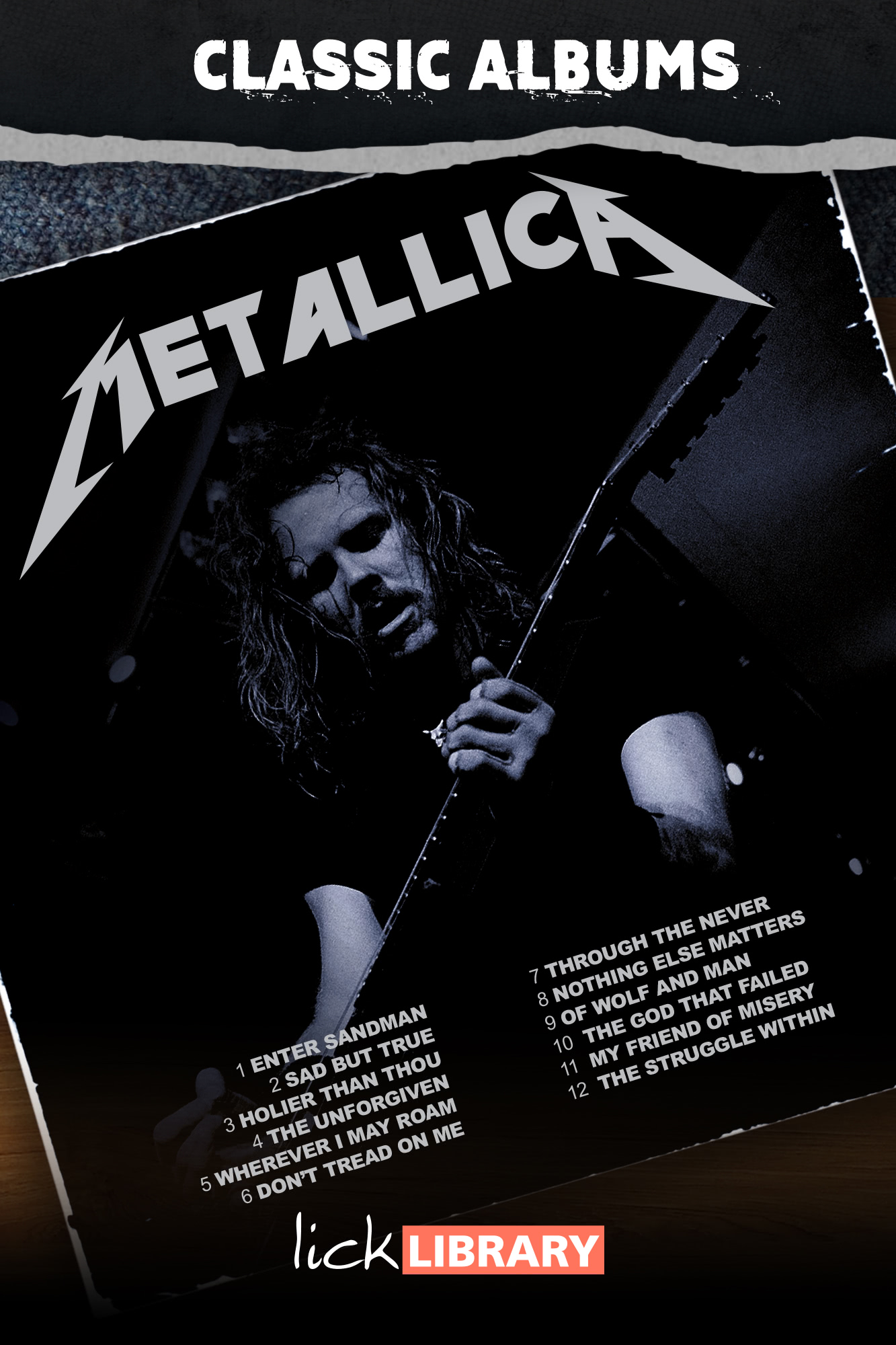
Study Metallica’s Black Album with Jamie Humphries at Lick Library. Learn heavy riffs, tight rhythms and iconic metal guitar techniques.

Learn 15 '80s Shrapnel shred licks with Sam Bell. Master alternate picking, sweep picking, legato, tapping and arpeggios.

Study Appetite For Destruction with Danny Gill at Lick Library. Learn iconic riffs, solos and hard rock guitar techniques inspired by Slash.
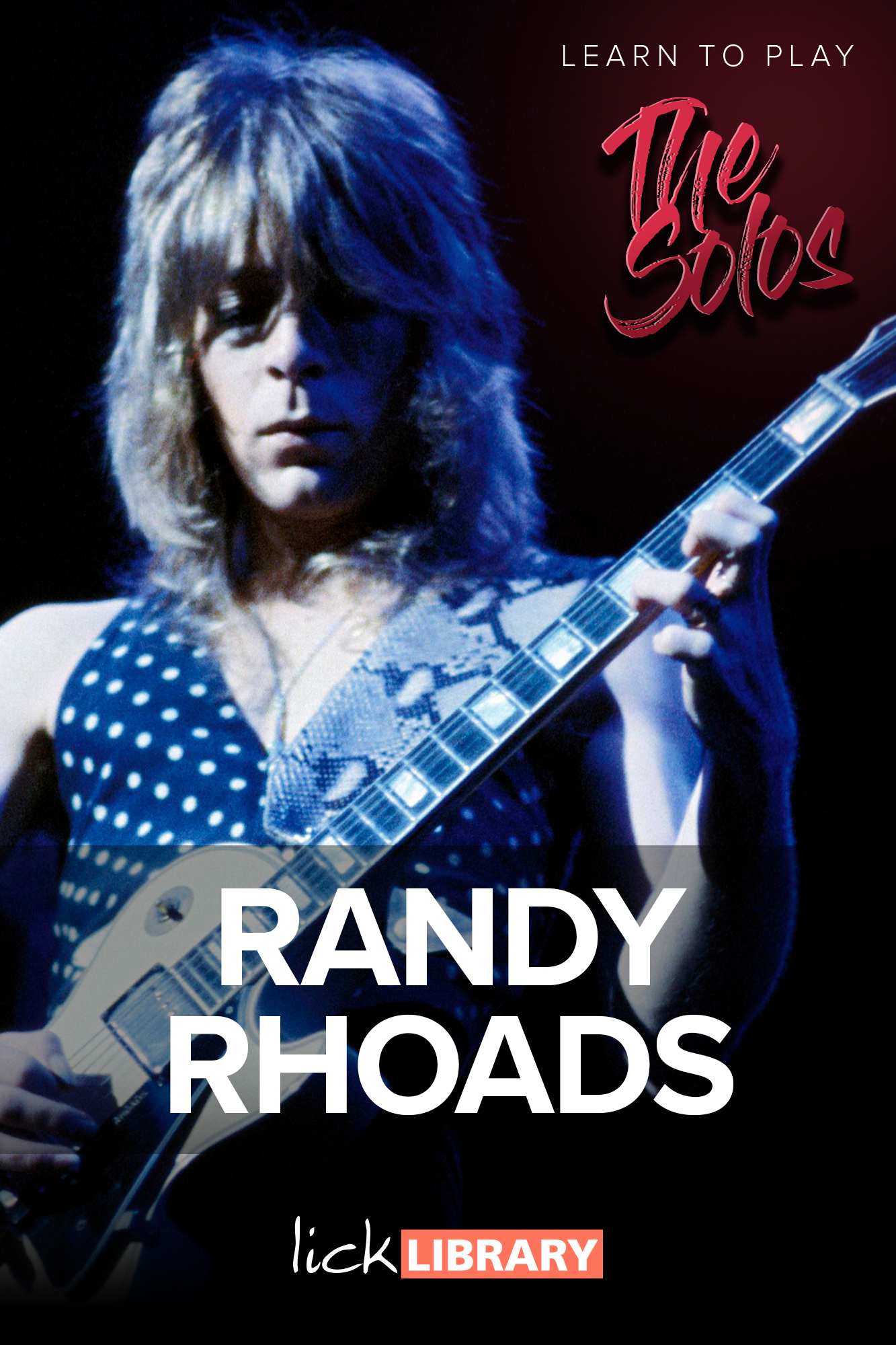
Learn Randy Rhoads solos with Danny Gill at Lick Library. Explore neoclassical phrasing and iconic metal lead guitar techniques.
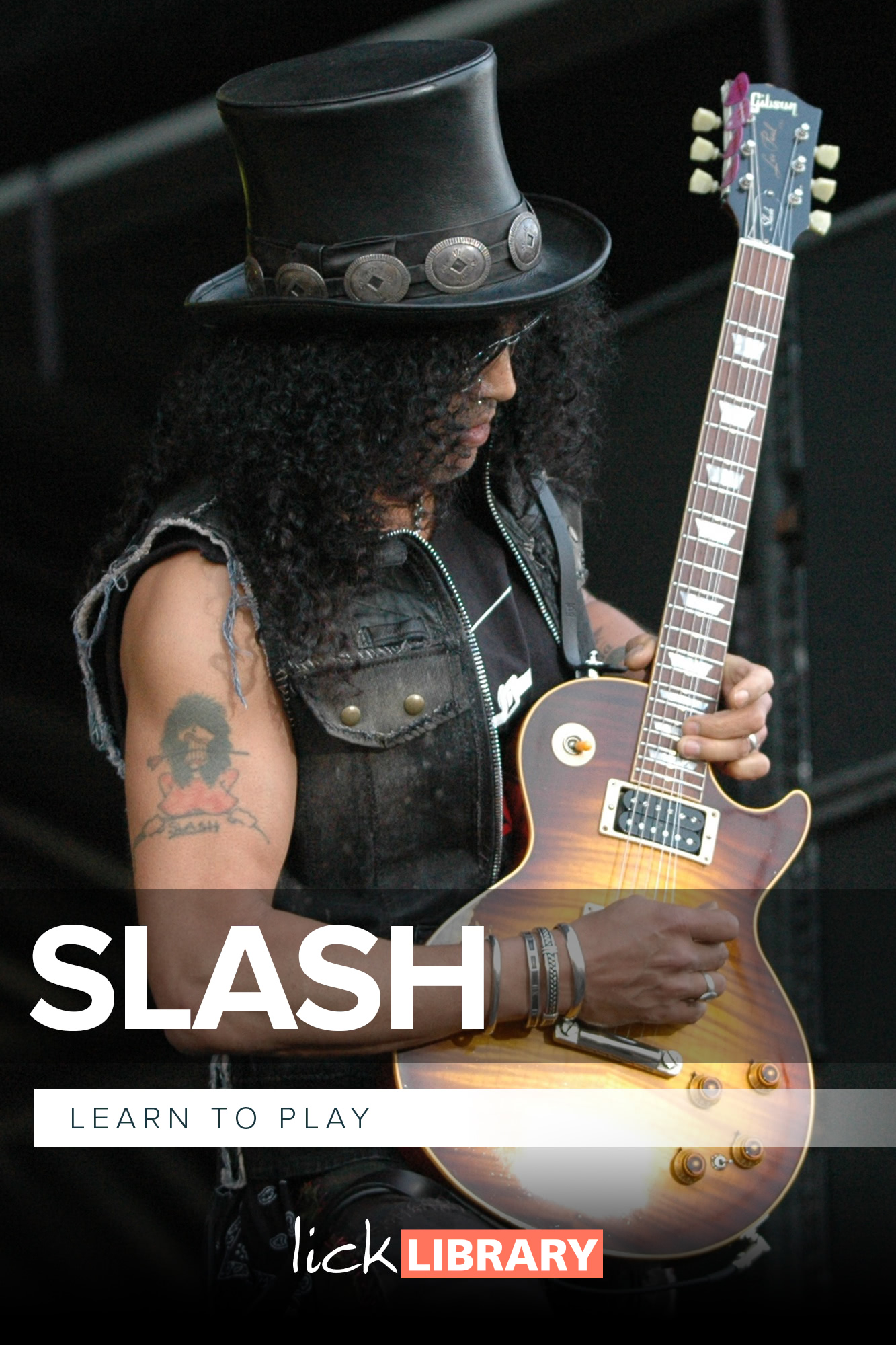
Learn to play in the style of Slash with Danny Gill at Lick Library. Explore blues rock phrasing, bends and iconic hard rock lead guitar techniques.

Learn a wide range of guitar licks with Danny Gill at Lick Library. Explore blues, rock, country and metal ideas to expand your vocabulary.

Study Pantera’s Cowboys From Hell with Sam Bell at Lick Library. Learn crushing riffs, tight rhythms and solos that defined modern metal guitar playing.

Explore Extreme II Pornograffitti with Sam Bell at Lick Library. Learn funk rock riffs, advanced rhythms and virtuosic lead guitar techniques.

Learn Randy Rhoads inspired licks with Jamie Humphries at Lick Library. Explore neoclassical metal phrasing and iconic hard rock guitar techniques.

Learn to play in the style of Guns N’ Roses with Danny Gill at Lick Library. Explore riffs, phrasing and Slash inspired techniques.

Learn Nuno Bettencourt inspired licks with Andy James at Lick Library. Explore funk influenced rhythm and advanced rock guitar phrasing.

Learn extreme shredding with Sam Bell at Lick Library. Develop speed, accuracy and advanced lead guitar techniques.
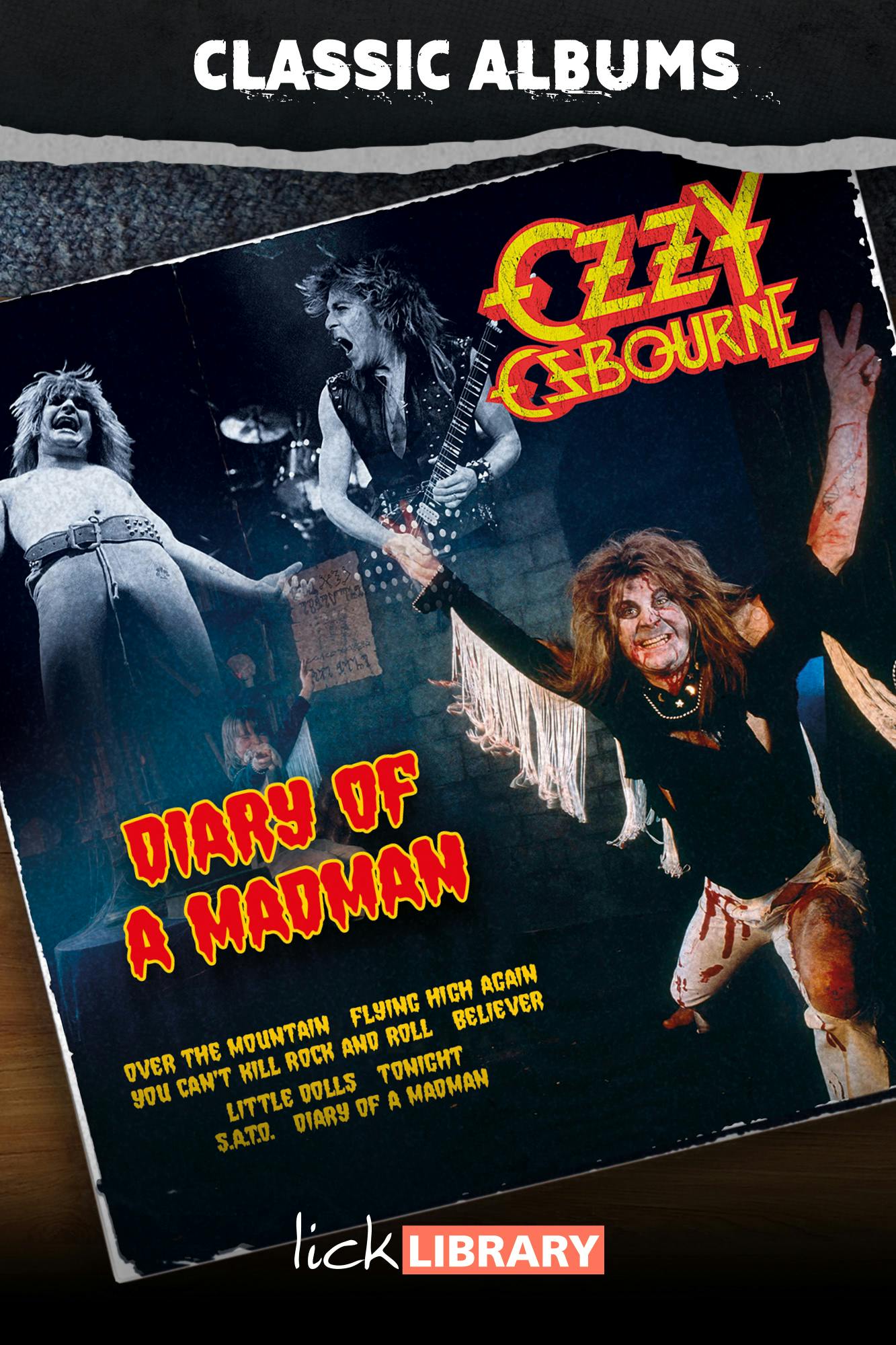
Study Ozzy Osbourne’s Diary Of A Madman with Danny Gill at Lick Library. Learn iconic riffs and solos inspired by Randy Rhoads.

Learn Slash inspired licks with Danny Gill at Lick Library. Explore phrasing, tone and iconic hard rock lead guitar techniques.

Dive into Paul Gilbert’s iconic rock guitar mastery as Sam Bell breaks down Lean Into It, revealing the riffs, tone, and techniques that shaped this landmark album.

Learn 20 classic rock riffs with Danny Gill at Lick Library. Build your repertoire with iconic riffs and essential rock guitar techniques.

Unlock Slash and Izzy Stradlin’s iconic rock guitar work in Guns N' Roses’ Use Your Illusion I with this Lick Library course—your ultimate guide to mastering classic riffs and solos.

Learn speed soloing with Andy James at Lick Library. Build precision, alternate picking and fast lead guitar techniques for rock and metal players.

Jam with Guns N’ Roses style tracks with Danny Gill at Lick Library. Explore hard rock riffs, phrasing and lead guitar ideas inspired by Slash.

Study Use Your Illusion II with Danny Gill at Lick Library. Learn expressive solos, riffs and hard rock guitar techniques inspired by Slash.

Learn the secrets behind iconic solos with Nick Jennison. Master arpeggios, phrasing, and advanced techniques in this in-depth guitar course.

Study Black Sabbath’s Heaven And Hell with Danny Gill at Lick Library. Learn heavy riffs, solos and tones that helped shape classic metal guitar.

Learn rock basslines with Phil Williams at Lick Library. Explore groove, timing and classic rock styles.

Learn Slash inspired licks with Danny Gill at Lick Library. Explore blues rock phrasing, bends and melodic solo ideas from classic hard rock.