
Improvise For Real - Guitar Course
Guitar Lessons with Rich Shaw
Improvise For Real

Lessons Included in this Course
Course Content Overview
This guitar improvisation course offers a deep dive into the essential techniques and melodic approaches needed to craft expressive guitar solos. You will learn to construct authentic-sounding, flowing lead lines in the style of modern rock and fusion greats. The lesson contents include:
- Pentatonic Cells & Phrasing: Master how to break down E and A minor and major pentatonic scales into smaller, musical cells to build creative guitar solos.
- Rhythmic Variation & Timing: Move beyond predictable playing by incorporating syncopated rhythms and varying your note placement to create engaging, dynamic solos.
- Expressive Articulation: Learn to make your improvisation sound musical with essential lead guitar techniques like alternate picking, legato, hammer-ons, pull-offs, slides, string bending, and vibrato.
- Dynamics & Fretboard Freedom: Discover how to control your picking attack and volume for emotional impact, alongside lateral movement exercises to seamlessly connect ideas across the entire neck.
- Creative Solo Construction: Explore how to combine wider intervals and melodic phrasing to ensure your lead guitar lines sound deliberate, sophisticated, and entirely your own.
This Course is Ideal for Players Who...
This course is designed for guitarists who want to develop a confident, expressive, and melodic soloing style. It is perfect for intermediate players who are looking to:
- Move beyond simply playing scale shapes up and down the neck and learn the techniques of expressive lead guitar.
- Write and improvise their own creative guitar solos over backing tracks or in live performances.
- Improve their phrasing, rhythmic precision, and overall fretboard confidence.
- Understand how to seamlessly blend major and minor pentatonic sounds for richer melodic colour.
- Break out of repetitive soloing habits and make their improvisation sound more musical and intentional.
What will I achieve from completing this course?
Richard Shaw, known for his incredible versatility across progressive metal, rock, and pop, brings his extensive experience as both a world-class performer and a dedicated educator to this improvisation masterclass. The course is structured to provide a clear and practical learning path, with detailed explanations of melodic concepts that you can immediately apply to real-world playing situations. By studying these pentatonic cells and phrasing techniques, you'll gain a comprehensive understanding of what makes a guitar solo truly memorable. As part of Licklibrary's extensive library of online guitar lessons, this course offers a professional and engaging learning experience for anyone serious about mastering the art of guitar improvisation.
WE CAN HELP...
1-ON-1 COACHING
Access to thousands of lessons is great, but without a plan you can feel like you’re practicing in circles. Book your FREE 1-on-1 video call with a Licklibrary pro to fix your technique, build a practice plan, get motivated, or overcome any challenge. It's all included in your membership!
Improvise For Real – Richard Shaw
Learn to Build Creative Guitar Solos with Practical Improvisation Concepts
Improvise For Real by Richard Shaw is a comprehensive guitar course designed to help players move beyond memorised licks and develop genuine improvisational freedom. Rather than simply teaching scale patterns, this course focuses on creating musical ideas using pentatonic cells, rhythmic variation, phrasing, dynamics and fretboard movement. Whether you're an intermediate guitarist looking to break out of repetitive soloing habits or an experienced player wanting to develop a more melodic and expressive approach, this series provides practical exercises that can be immediately applied to real-world playing situations.
Throughout the lessons, Richard demonstrates how small melodic ideas can be expanded into flowing solos by combining strong timing, articulation and fretboard awareness. Instead of overwhelming players with endless theory, the course presents easy-to-understand concepts that encourage creativity while strengthening essential lead guitar techniques.
By working through each section, you'll develop greater confidence when improvising over backing tracks, writing original solos or performing live. Every lesson builds naturally on the previous one, allowing your vocabulary to grow while improving your technical control and musical expression.
E & A Minor Pentatonic Cells
The course begins by exploring melodic cells within the E and A minor pentatonic scales. Rather than viewing the pentatonic scale as a single repeating pattern, Richard breaks it down into smaller musical phrases that can easily be combined and developed into original solos.
Learning these pentatonic cells encourages players to think musically instead of mechanically. You'll discover how a simple four or five note phrase can become the foundation of countless improvisational ideas. This approach helps eliminate repetitive playing while improving phrase construction, note choice and melodic direction. It's an excellent way to make your solos sound more intentional and expressive while building confidence across the fretboard.
E & A Major Pentatonic Cells
Moving into the brighter sound of the major pentatonic scale, Richard demonstrates how similar melodic concepts can produce an entirely different emotional character. The E and A major pentatonic cells introduce fresh phrasing ideas commonly heard in blues, country, classic rock and modern fusion.
Understanding both the major and minor pentatonic sounds dramatically expands your improvisational vocabulary. Players learn when to switch between the two tonalities and how subtle note choices can completely transform a solo. Developing these ideas helps guitarists create more dynamic lead lines while gaining a deeper understanding of melodic colour and musical storytelling.
Rhythm, Technique & Wider Intervals
One of the biggest differences between average improvisers and expressive soloists is rhythm. In this section, Richard shifts the emphasis away from simply choosing the right notes and instead focuses on rhythmic phrasing, articulation and intervallic playing.
Students explore how varying rhythmic placement creates more engaging solos, while wider interval jumps prevent lead lines from sounding predictable. Richard also demonstrates how clean picking technique, controlled articulation and accurate timing allow every phrase to sound deliberate and musical.
Developing rhythmic awareness teaches players how to create excitement without relying purely on speed. The wider interval exercises encourage fresh melodic ideas that instantly make improvisation sound more sophisticated while improving fretboard confidence and picking accuracy.
Dynamics & Lateral Movement
The final section focuses on two of the most overlooked elements of expressive guitar playing: dynamics and movement across the neck.
Richard explains how controlling picking strength, note attack and volume creates emotional contrast within a solo. Rather than playing every phrase with the same intensity, students learn how softer passages can make powerful climaxes even more effective.
Lateral movement exercises encourage guitarists to travel naturally across the fretboard instead of remaining trapped inside one scale position. Connecting ideas horizontally allows solos to breathe and creates smoother transitions between different registers of the instrument.
Mastering these concepts helps players sound more musical and less pattern-based. As confidence grows, improvisation becomes far more natural, allowing ideas to flow freely across the entire neck while maintaining strong melodic direction.
Guitar Techniques Covered Throughout the Course
Pentatonic Improvisation
The foundation of the course revolves around developing improvisation through major and minor pentatonic vocabulary. Learning how to manipulate small melodic cells provides endless opportunities for creating unique solos while strengthening fretboard familiarity.
Alternate Picking
Accurate picking is essential for delivering clean melodic phrases with consistent timing. Developing alternate picking improves note definition, rhythmic precision and overall technical control, helping improvised lines sound fluid and effortless.
Legato
Hammer-ons and pull-offs are used to connect notes smoothly, creating flowing phrases that feel natural and expressive. Legato playing also improves left-hand coordination while allowing players to develop speed without unnecessary picking.
Hammer-Ons
Hammer-ons help create smooth ascending phrases while increasing efficiency in lead playing. They allow melodic ideas to connect seamlessly and encourage relaxed left-hand technique.
Pull-Offs
Pull-offs complement hammer-ons by creating fluid descending lines that sound connected and effortless. Mastering this technique adds speed, articulation and expressive phrasing to improvised solos.
Slides
Slides allow players to connect positions across the fretboard while maintaining melodic continuity. They also help reinforce the lateral movement concepts taught throughout the course.
String Bending
Controlled bends add vocal-like expression and emotional impact to lead playing. Learning accurate pitch control helps create convincing blues and rock phrasing while improving musical expression.
Vibrato
A confident vibrato gives sustained notes personality and emotion. Richard demonstrates how subtle variations in vibrato can dramatically change the feel of a phrase and produce more expressive solos.
Syncopated Rhythms
Rhythmic variation is one of the key themes throughout the course. Learning syncopated rhythms teaches players how to create more engaging phrases by placing notes in unexpected rhythmic positions.
Learn from Richard Shaw
Richard Shaw has built a reputation as one of the UK's most versatile modern guitar educators and performers. Drawing on influences from progressive metal, rock, fusion and contemporary improvisation, he combines exceptional technical ability with a strong emphasis on musicality. Throughout Improvise For Real, Richard presents complex improvisational ideas in an approachable and practical manner, making them accessible to players looking to move beyond scale memorisation. His teaching style encourages creativity, fretboard confidence and expressive phrasing, helping students develop the skills needed to craft original solos rather than simply reproducing existing ones.
Techniques Used Throughout This Course
Related Guitar Courses

Start lead guitar with Danny Gill at Lick Library. Learn scales, phrasing and simple solos to build confidence from beginner level.

Start your rock guitar journey with Rock Guitar for Absolute Beginners from Lick Library. Learn power chords, riffs, and techniques to play classic rock with confidence.

Learn rock guitar licks for beginners with Danny Gill at Lick Library. Build confidence with simple riffs and lead ideas from classic rock styles.

Lick Library guitar lesson with Sam Bell’s 30 Minute Practice Routine, a focused daily practice system to build technique, timing and confidence fast for all players.

Explore the art of improvisation with Rick Graham at Lick Library. Learn creative phrasing, technique and modern approaches to lead guitar.

Build confident, expressive solos with Improvise Without Fear by Richard Shaw on Lick Library. Learn guitar improvisation, phrasing, melody and dynamics without relying on scales.

Master rock guitar in 6 weeks with Danny Gill. Learn pentatonics, blues scales, bends, vibrato, and iconic rock licks with structured lessons.
Learn how chords and scales work together with Stuart Bull at Lick Library. Improve fretboard understanding and soloing confidence.

Learn rock improvisation with Sam Bell at Lick Library. Develop phrasing, scales and lead guitar confidence.

Learn the Phrygian mode with Danny Gill at Lick Library. Explore neoclassical phrasing and scale ideas inspired by Yngwie Malmsteen.
Learn the Mixolydian mode with Danny Gill at Lick Library. Explore rock phrasing and melodic ideas inspired by Eddie Van Halen’s style.
Learn the Ionian mode with Danny Gill at Lick Library. Develop melodic rock phrasing and major key solo ideas inspired by Slash.
Explore the journey from rock to fusion guitar with Tom Quayle at Lick Library. Learn advanced phrasing, harmony and modern improvisation concepts.

Master triads across the fretboard with Danny Gill at Lick Library. Learn shapes, inversions and applications to unlock melodic rhythm and lead ideas.

Master melody and phrasing with Nick Jennison at Lick Library. Learn how to shape expressive lines, strong melodies and musical guitar solos.

Master all seven guitar modes with Danny Gill. Learn Ionian, Dorian, Phrygian and more to improve your solos, phrasing and fretboard knowledge.
Explore advanced pentatonic concepts with Alex Machacek at Lick Library. Learn modern approaches to scales for creative rock and fusion soloing.

Master arpeggios with Nick Jennison at Lick Library. This guitar course covers triads, 7ths, diminished shapes and applications to unlock melodic, harmonic soloing.

Master minor pentatonic lead guitar with Danny Gill at Lick Library. Learn rock phrasing, licks and solo ideas using this essential scale.

Jam with Tom Quayle at Lick Library and explore modern fusion guitar. Develop phrasing, harmony and advanced improvisation skills.

Master the fretboard with Matthew Von Doran at Lick Library. Learn patterns, connections and harmonic awareness to improve improvisation and confidence.
Unlock creative pentatonic ideas with Nick Jennison at Lick Library. Learn fresh patterns, phrasing and applications beyond standard scale shapes.
Explore the Dorian mode with Danny Gill at Lick Library. Learn soulful phrasing and modal concepts inspired by Santana’s guitar style.

Explore the Lydian mode with Danny Gill at Lick Library. Learn modern fusion ideas and melodic phrasing inspired by Steve Vai.

Learn to solo with modes using Danny Gill at Lick Library. Understand modal sounds and applications for creative rock and fusion improvisation.

Learn rock guitar essentials with Danny Gill at Lick Library. Build core skills in rhythm, lead and classic rock techniques.

Learn melodic improvisation with Sofie Veie at Lick Library. Develop strong melodies, phrasing and note choice for expressive guitar solos.
Jam with Rick Graham at Lick Library and explore fusion-inspired phrasing. Develop advanced technique, creativity and modern lead guitar ideas.
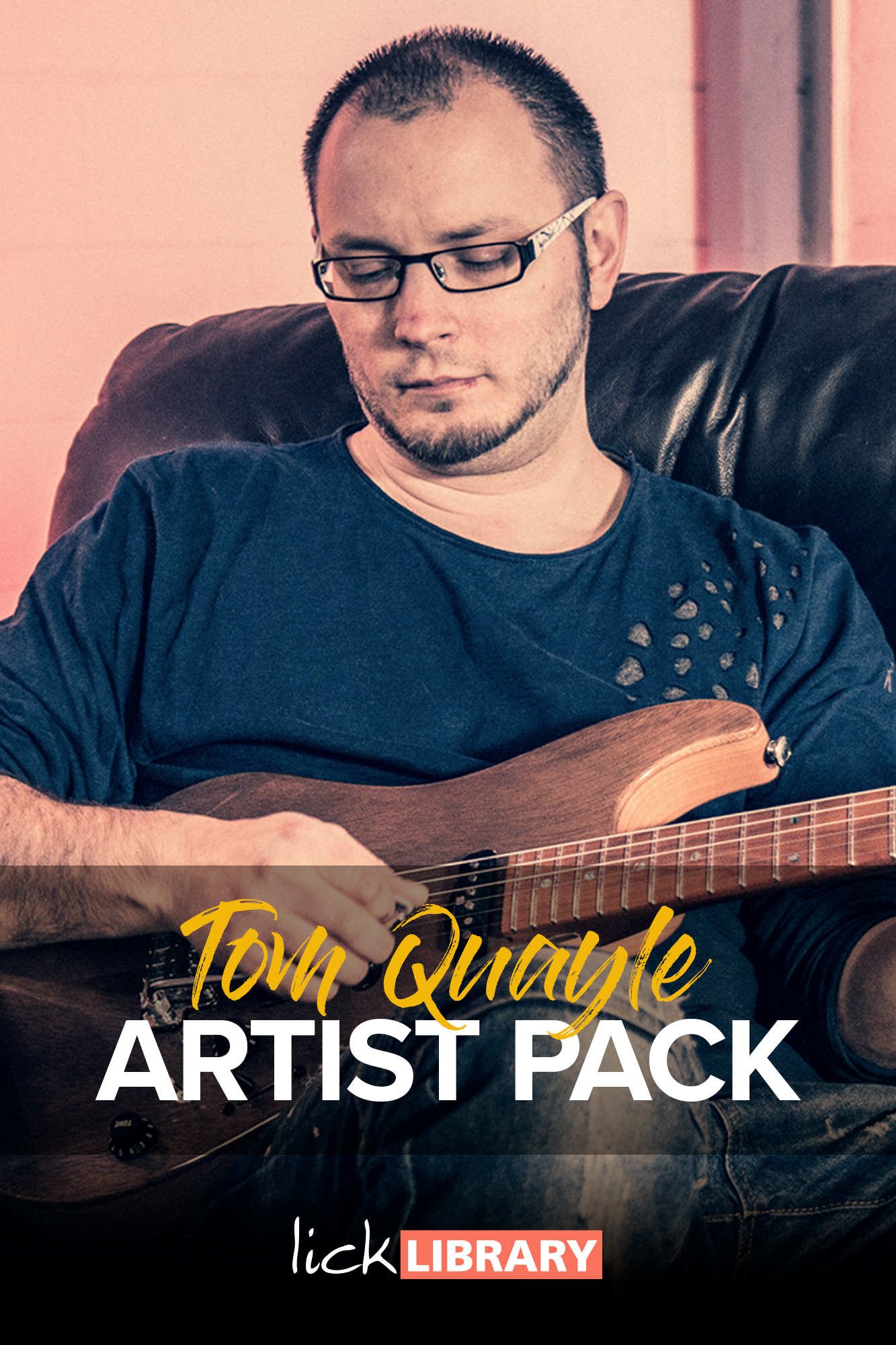
Explore fusion guitar with Tom Quayle at Lick Library. Develop phrasing, technique and improvisation skills.

Improve improvisation using fretboard knowledge with Sam Bell at Lick Library. Connect scales, notes and positions to solo freely across the guitar neck.


