

Classic Albums - The Joshua Tree - Guitar Course
Complete Album Lessons with Danny Gill
Guitar Lessons In The Course

Classic Albums - The Joshua Tree

Song Lessons in this Course
Song-by-Song Guitar Lessons Taught by Danny Gill
• Where the Streets Have No Name
• I Still Haven't Found What I'm Looking For
• With or Without You
• Bullet the Blue Sky
• Running to Stand Still
• Red Hill Mining Town
• In God's Country
• Trip Through Your Wires
• One Tree Hill
• Exit
• Mothers of the Disappeared
This Course is Ideal for Players Who...
This course is ideal for players who are looking to move beyond basic rhythm and lead
playing and want to develop a more sophisticated, textural style.
• Are searching for comprehensive U2 guitar lessons or a dedicated The Joshua Tree guitar lesson.
• Want to learn how to effectively use effects pedals, particularly delay and modulation, to create a signature sound.
• Are fans of 80s rock guitar and the sound of bands like Simple Minds, The Cure, and Echo & the Bunnymen.
• Struggle to make their clean tones sound interesting or want to add depth and atmosphere to their playing.
• Are intermediate to advanced guitarists seeking a challenging and rewarding new set of techniques to master.
What will I achieve from completing this course?
What will you achieve from completing this course?
By mastering the material in this course, you will fundamentally transform your approach to the electric guitar, moving from a chord-and-scale player to a sonic architect. You will learn to use effects as an integral part of your playing, dramatically expanding your creative palette. This course is a deep dive into the techniques that define The Edge's sound, making it an essential resource for any guitarist interested in modern rock and sound design.
• Master Rhythmic Delay: Learn to set up and play with the precise dotted-eighth note delay that is the foundation of The Edge's sound, creating massive, layered textures with minimal effort.
• Develop Textural Playing: Understand how to use arpeggios, open strings, and dynamics to create atmosphere and depth, making your single guitar sound like an entire orchestra.
• Unlock Iconic Tones: Get detailed instruction on achieving the clean, chimey, and powerful tones heard across the album, including the use of compression, chorus, and reverb.
• Improve Rhythmic Precision: The course focuses heavily on the rhythmic accuracy required to play these parts, which will sharpen your overall timing and groove.
• Expand Your Chord Vocabulary: Discover The Edge's use of suspended chords and inversions that give U 2's music its distinctive, soaring quality.
WE CAN HELP...
1-ON-1 COACHING
Access to thousands of lessons is great, but without a plan you can feel like you’re practicing in circles. Book your FREE 1-on-1 video call with a Licklibrary pro to fix your technique, build a practice plan, get motivated, or overcome any challenge. It's all included in your membership!
** Disclaimer **
*This product is not endorsed by or made in association with
U2
nor does
U2
perform or appear on this course.*
The Joshua Tree by U2: A guitarist's perspective
Guitar lessons by Danny Gill
"The Joshua Tree" is the fifth studio album by Irish rock band U2, released in 1987. The album is widely regarded as one of the greatest albums of all time, and its unique sound has inspired generations of guitarists. The album instantly received critical acclaim around the world, topping charts in over twenty countries, and becoming the fastest-selling album in British history with the help of the hit singles; “With or Without You”, “I Still Haven’t Found What I’m Looking For”, and “Where the Streets Have No Name”. The Joshua Tree also took home the Grammy Award for Album of the Year.
In this guitar lesson course, Lick Library veteran instruction Danny Gill shows you how U2’s The Edge uses multiple parts, dynamics and effects to create the melodic guitar work that has helped make ‘The Joshua Tree’ a classic album. This course includes full breakdowns of tracks such as “Where the Streets Have No Name” and “With or Without You”. In this article, we will delve deep into the guitar work on the album, focusing on The Edge's contributions, the guitar scales used, and the techniques employed. Each song will be analysed from a guitarist's perspective, providing insights into the making of this iconic album.
Track-by-Track Analysis
1. Where the Streets Have No Name
This opening track is characterised by its driving arpeggiated chord progression, played with a combination of delay and reverb effects. The Edge uses a mix of the D major scale and the D Mixolydian mode, resulting in a soaring, anthemic sound. The guitar solo consists of single-note lines and double-stops, providing a melodic counterpoint to the chord progression.
2. I Still Haven't Found What I'm Looking For
In this song, The Edge employs a syncopated rhythm and open-string riffs, giving the track a lively, uplifting feel. The song is primarily based on the G major scale, and the chords follow a I-IV-V progression. The guitar solo uses hammer-ons, slides, and double-stops, showcasing The Edge's ability to create memorable melodies.
3. With or Without You
This ballad features a simple, yet powerful, arpeggiated chord progression played with a combination of finger-picking and delay effects. The song is in the key of D major and includes the use of a capo on the second fret. The guitar solo employs a mix of slides, string bending, and sustained notes, creating an emotional and haunting soundscape.
4. Bullet the Blue Sky
"Bullet the Blue Sky" is a hard-hitting, politically charged track driven by power chords and palm-muted galloping rhythms. The Edge utilises the E minor pentatonic scale and incorporates bluesy bends, octave melodies, and unison bends in the guitar solo, creating a powerful and aggressive sound.
5. Running to Stand Still
This introspective ballad is based on the E major scale and features a delicate finger-picked arpeggiated chord progression. The Edge's use of slides, harmonics, and sustain in the guitar solo adds a haunting, ethereal quality to the song.
6. Red Hill Mining Town
This song is characterised by its use of barre chords and chord progressions in the key of B Mixolydian. The Edge skilfully employs alternate picking and hybrid picking techniques, along with string bending and pre-bends in the guitar solo, creating a rich, textured sound.
7. In God's Country
"In God's Country" is a fast-paced, uplifting track that features The Edge's signature arpeggiated chord progressions, played with a combination of delay and modulation effects. The song is based on the G major scale, and the guitar solo uses a mix of slides, double-stop bends, and harmonics, resulting in a memorable and melodic sound.
8. Trip Through Your Wires
This track features a bluesy, rootsy feel, with The Edge employing the E minor pentatonic scale and open-string riffs. The guitar work in this song showcases the use of double-stops, slides, and chromaticism, adding a raw, gritty texture to the overall sound.
9. One Tree Hill
"One Tree Hill" is a heartfelt, emotional track that highlights The Edge's ability to create atmospheric, ambient soundscapes using arpeggiated chord progressions and reverb-laden guitar lines. The song is in the key of D major, and the guitar solo showcases The Edge's use of slides, harmonics, and legato techniques, resulting in a poignant and moving performance.
10. Exit
"Exit" is a dark, moody track driven by power chords and a dissonant chord progression in the key of E minor. The guitar solo features The Edge employing a variety of techniques, including tremolo picking, tapped harmonics, and dive-bombs, creating a tense and unsettling atmosphere.
11. Mothers of the Disappeared
The closing track of the album is a haunting, sombre ballad that showcases The Edge's use of arpeggiated chord progressions and finger-picking techniques. The song is in the key of A minor, and the guitar solo incorporates sustained notes, string bending, and harmonics, evoking a sense of loss and longing.
The Edge’s Contribution to The Joshua Tree
Before diving into the songs themselves, it's important to acknowledge the enormous contributions of U2's lead guitarist, The Edge (David Howell Evans). The Edge is known for his minimalist style, innovative use of effects, and textural approach to guitar playing. On "The Joshua Tree," he masterfully employs a mix of reverb, delay, and modulation effects, creating the album's signature atmospheric sound.
Conclusion
"The Joshua Tree" is a testament to U2's ability to craft timeless, innovative music that resonates with listeners across generations. For guitarists, this album offers a masterclass in atmospheric, minimalist guitar playing that has influenced countless musicians in the years since its release. By examining the techniques and scales used by The Edge throughout "The Joshua Tree," guitarists can gain valuable insights into the creation of this iconic album and apply these lessons to their own playing.
By understanding the techniques employed by The Edge and appreciating the nuances of his guitar work, guitarists can expand their own repertoire and develop a deeper appreciation for the artistry behind "The Joshua Tree." This analysis serves as a starting point for further exploration and a reminder of the power of innovative guitar playing in shaping the sound and impact of an album.
Guitar Techniques Used in "The Joshua Tree"
"The Joshua Tree" is a guitar-centric album that showcases The Edge's innovative and minimalist approach to the instrument. Here is a list of the guitar techniques used throughout the album, with links to further information:
- Arpeggiated chord progressions
- Open-string riffs
- Slides
- String bending
- Double-stops
- Harmonics
- Hammer-ons
- Sustain
- Finger-picking
- Palm-muting
- Power chords
- Syncopated rhythms
- Bluesy bends
- Octave melodies
- Galloping rhythms
- Alternate picking
- Hybrid picking
- Pre-bends
- Tremolo picking
- Tapped harmonics
- Dive-bombs
- Unison bends
- Double-stop bends
- Barre chords
- Capo
- Chromaticism
Related Guitar Courses

Jam with U2 style tracks with Michael Casswell at Lick Library. Explore atmospheric guitar tones and rhythmic playing.

Study U2’s Achtung Baby with Danny Gill at Lick Library. Learn atmospheric guitar parts, effects and textures inspired by The Edge.

Learn easy acoustic rock songs with Jamie Humphries at Lick Library. Build confidence with chords, strumming and popular tracks.

Learn iconic 80s guitar riffs with Danny Gill at Lick Library. Explore classic rock and metal riffs inspired by legendary players and bands.

Learn rock basslines with Phil Williams at Lick Library. Explore groove, timing and classic rock styles.
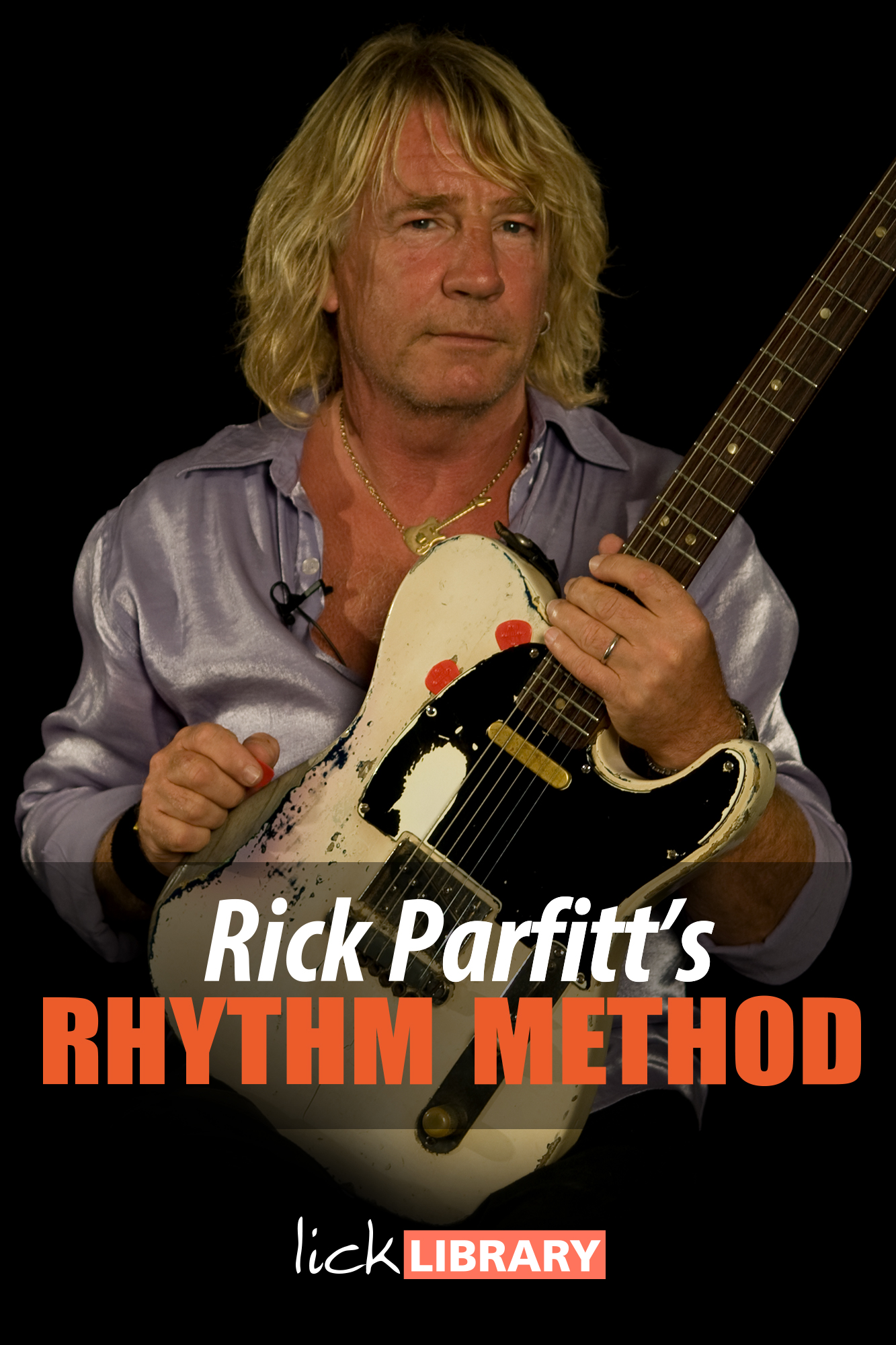
Learn rhythm guitar with Rick Parfitt at Lick Library. Develop timing, groove and classic rock strumming techniques.
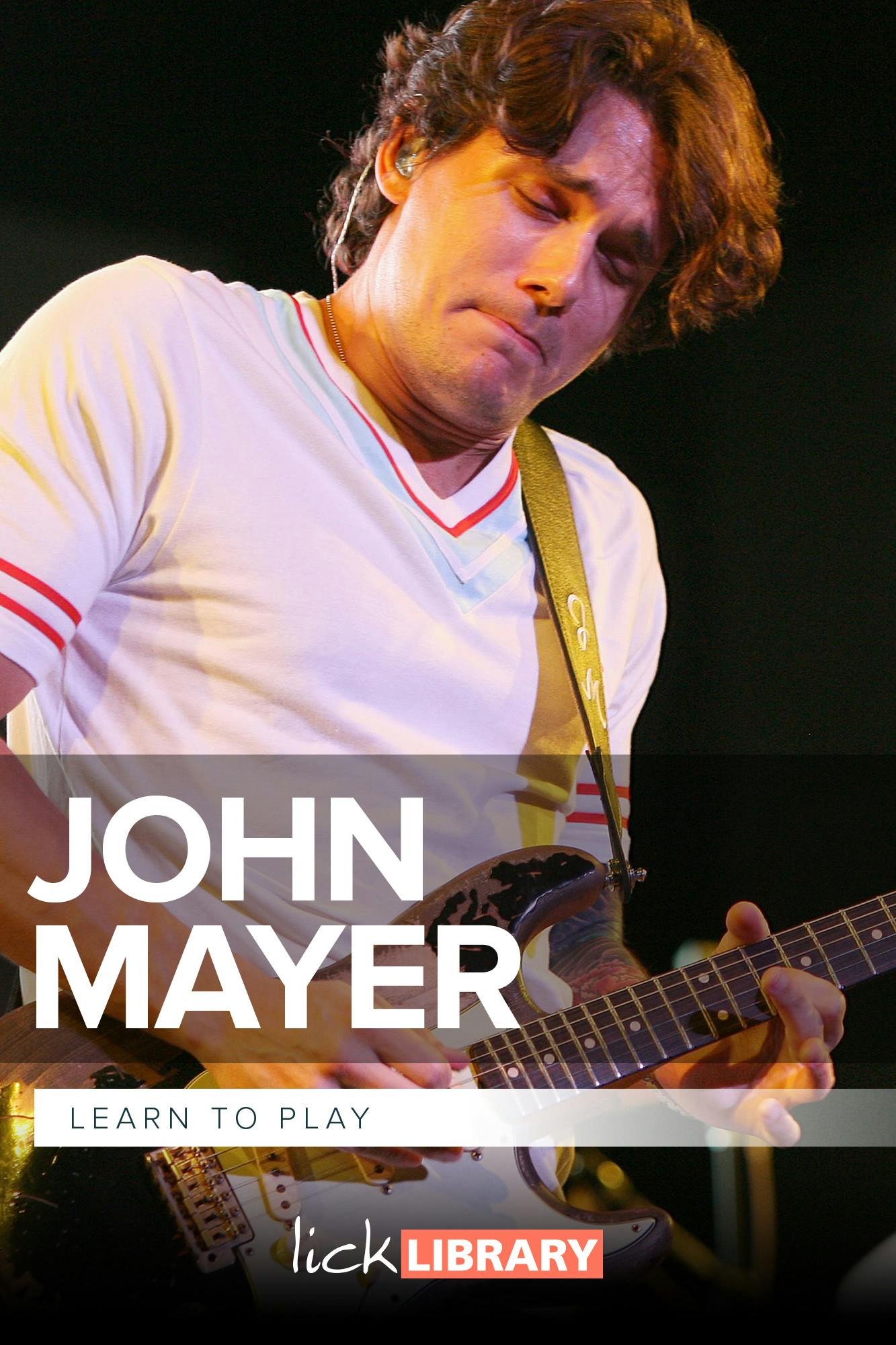
Learn to play in the style of John Mayer with Michael Casswell at Lick Library. Explore blues phrasing, tone and modern pop guitar techniques.

Train your ear to recognise chords and progressions with Levi Clay. This Lick Library guitar course boosts musicality, helping you play by ear with confidence.

Lick Library guitar lesson with Sam Bell’s 30 Minute Practice Routine, a focused daily practice system to build technique, timing and confidence fast for all players.

Learn how to play in a covers band with Sam Bell at Lick Library. Develop adaptability, quick learning and performance skills.

Build solid foundations with Lewis Turner at Lick Library. Learn essential techniques, chords and rhythm guitar skills.
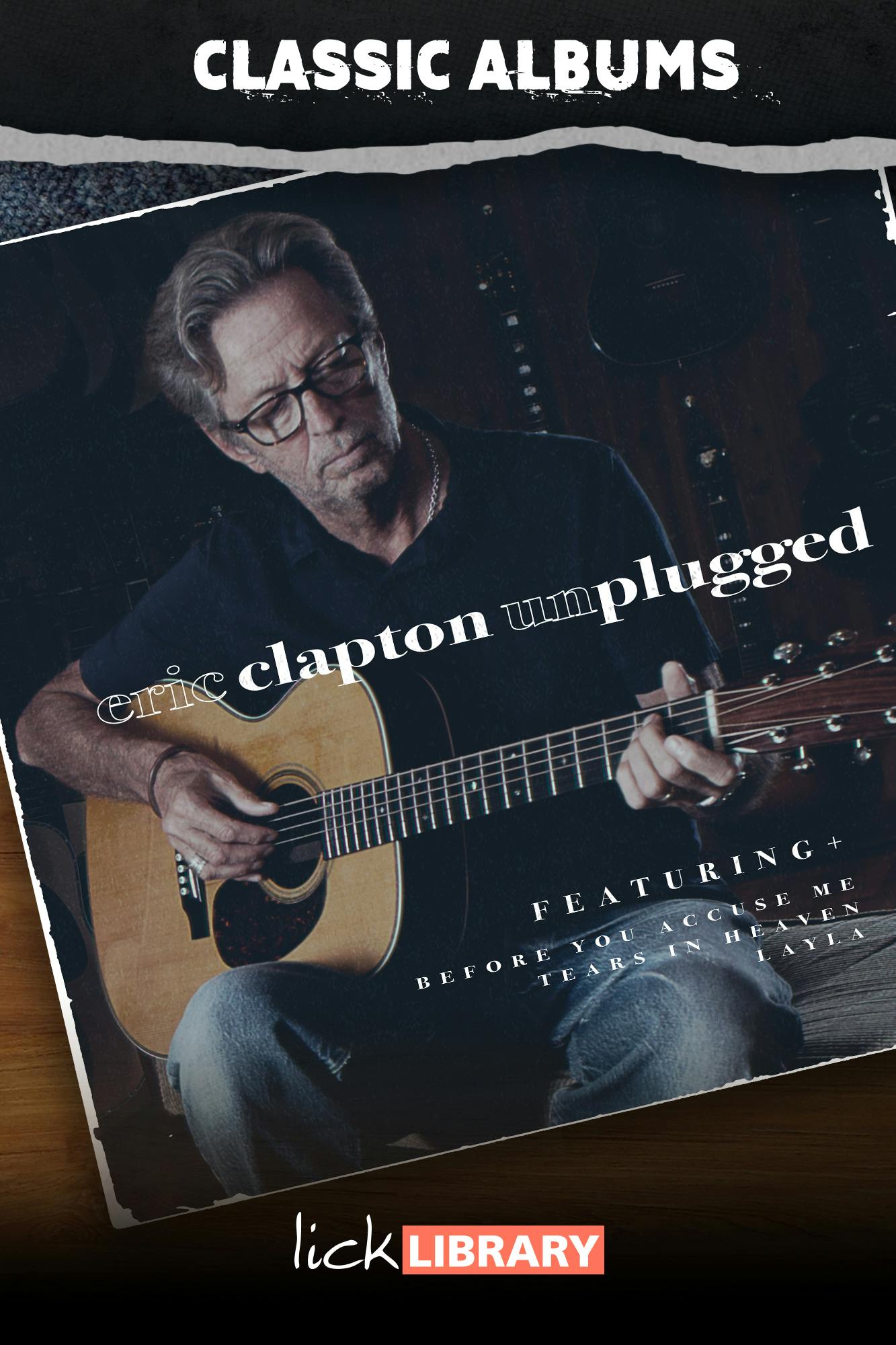
Study Eric Clapton Unplugged with Danny Gill at Lick Library. Learn acoustic blues arrangements, phrasing and dynamics from this iconic live album.

Learn rhythm guitar concepts with Sam Bell at Lick Library. Improve groove, timing and chord-based playing across styles.

Learn Rolling Stones guitar with Sam Bell at Lick Library. Study iconic riffs, rhythms and lead parts plus tone tips to capture classic blues rock swagger.

Learn the CAGED system from scratch with Danny Gill at Lick Library. Understand chord shapes and fretboard navigation to unlock confident guitar playing.

Explore the guitar style of Prince with Mitch Laddie at Lick Library. Learn funk, rock and pop techniques, tones and phrasing inspired by a true icon masterclass.

Develop your ear with Levi Clay’s practical course. Learn intervals, chords, melodies and rhythm, and apply them on guitar with Lick Library’s expert training.

Start fingerstyle acoustic guitar with Danny Gill at Lick Library. Learn essential techniques, patterns and songs to build confidence from the ground up.

Master rhythm theory with Sam Bell at Lick Library. Learn timing, subdivisions and groove concepts to improve feel and precision on guitar.

Learn Eric Clapton acoustic songs with Danny Gill at Lick Library. Explore fingerstyle, chords and expressive acoustic guitar techniques.

Master the core skills of rhythm guitar with Rhythm Guitar for Absolute Beginners from Lick Library. Learn strumming patterns, timing, and chord basics—perfect for new players!

Learn to play in the style of Bon Jovi with Jamie Humphries at Lick Library. Explore melodic rock riffs and expressive lead guitar techniques.

Learn to play in the style of Fleetwood Mac with Michael Casswell at Lick Library. Explore melodic riffs, rhythm playing and classic guitar tones.

Learn Beatles style guitar with Michael Casswell at Lick Library. Explore classic songs, chord work and melodic guitar ideas.
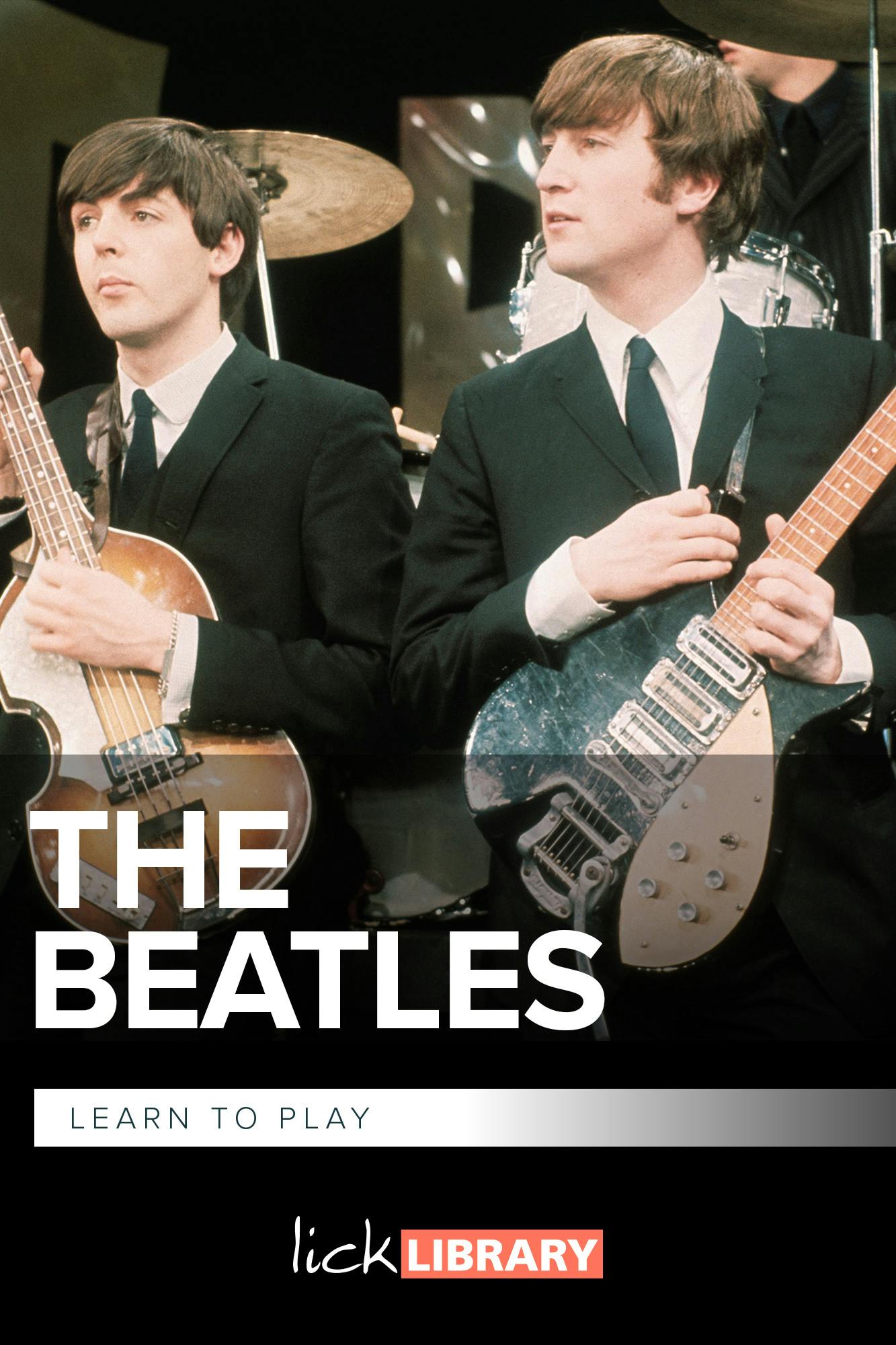
Learn to play in the style of The Beatles with Michael Casswell at Lick Library. Explore classic chords, melodies and iconic guitar parts.

Learn bass guitar from scratch with Phil Williams at Lick Library. Build solid technique, timing and groove for pop and rock bass playing.
Learn to play in the style of Oasis with Jamie Humphries at Lick Library. Explore indie rock chords, strumming and melodic guitar ideas.

Learn to map notes across the fretboard with Sam Bell at Lick Library. Build theory awareness and improve navigation for scales, chords and solos.

Learn to play in the style of Journey with Michael Casswell at Lick Library. Explore melodic rock riffs and expressive lead guitar ideas.

Learn to play in the style of Queen with Michael Casswell at Lick Library. Explore harmony, riffs and Brian May inspired guitar techniques.